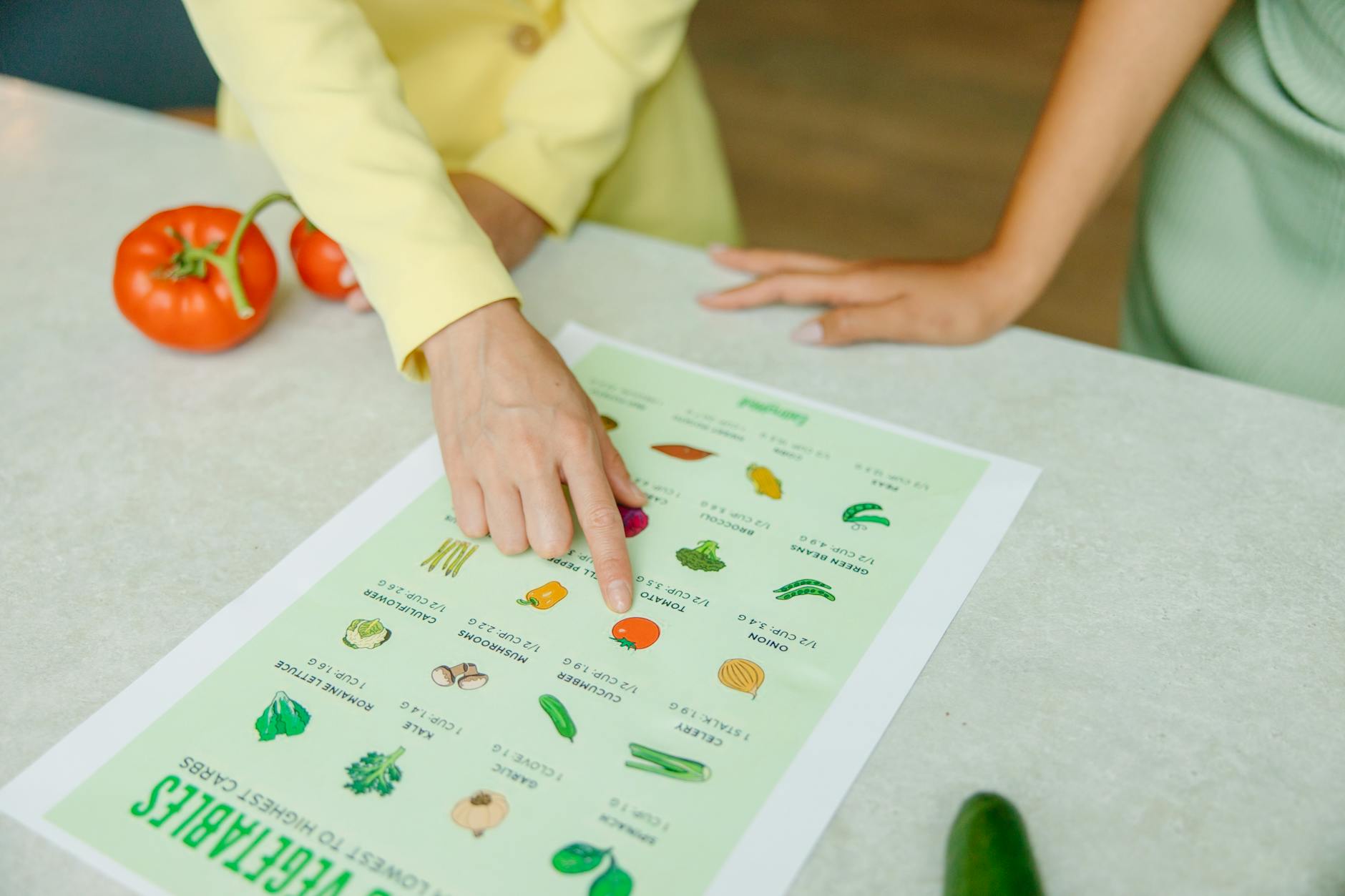
The Mediterranean diet continues to dominate health and wellness conversations in 2026, and for good reason. This time-tested eating pattern, inspired by the traditional diets of countries bordering the Mediterranean Sea, has consistently ranked as one of the healthiest and most sustainable dietary approaches. Whether you’re looking to improve your cardiovascular health, lose weight, or simply adopt a more balanced lifestyle, this comprehensive guide will help you get started.
What Is the Mediterranean Diet?
The Mediterranean diet isn’t just another fad diet—it’s a lifestyle approach to eating that emphasizes whole foods, healthy fats, and plant-based nutrition. Rather than focusing on strict calorie counting or eliminating entire food groups, this diet celebrates the joy of eating while nourishing your body.
At its core, the Mediterranean diet prioritizes:
- Olive oil as the primary fat source
- Abundant vegetables, fruits, and whole grains
- Legumes and nuts
- Moderate fish and poultry consumption
- Limited red meat intake
- Moderate dairy products, primarily cheese and yogurt
- Herbs and spices for flavoring instead of salt
Why Choose the Mediterranean Diet in 2026?
Recent research from 2026 continues to support the Mediterranean diet’s effectiveness for various health outcomes. Studies show that followers experience improved heart health, better blood sugar control, and enhanced cognitive function. The diet’s flexibility makes it easier to maintain long-term compared to restrictive eating plans, which is why so many people in 2026 are making this their permanent dietary choice.
Your Complete Beginner’s Meal Plan
Weekly Breakfast Ideas
Start your day with Mediterranean-inspired breakfasts that keep you satisfied until lunch:
- Greek Yogurt Parfait: Layer Greek yogurt with fresh berries, granola, and a drizzle of honey
- Veggie-Packed Omelet: Eggs with spinach, tomatoes, and feta cheese
- Whole Grain Toast: Whole wheat bread topped with avocado, cherry tomatoes, and olive oil
- Mediterranean Smoothie: Blend spinach, banana, Greek yogurt, and walnuts
Lunch Options
Midday meals should be substantial and satisfying:
- Mediterranean Chickpea Salad: Chickpeas, cucumber, tomatoes, red onion, and olive oil dressing
- Grilled Fish with Vegetables: Baked salmon with roasted zucchini and bell peppers
- Whole Grain Pasta Primavera: Pasta with seasonal vegetables and light olive oil sauce
- Lentil Soup: Hearty lentil soup with carrots, celery, and herbs
Dinner Selections
Enjoy satisfying dinners that align with Mediterranean principles:
- Mediterranean Baked Chicken: Chicken breast with olives, tomatoes, and herbs
- Grilled Fish with Herbs: White fish seasoned with lemon and oregano
- Vegetable Stir-Fry: Mixed vegetables with chickpeas and whole grain rice
- Eggplant Parmesan: Lighter version using minimal cheese and olive oil
Snack Ideas
Keep healthy snacks on hand:
- Almonds or walnuts
- Fresh fruits (apples, oranges, berries)
- Hummus with vegetable sticks
- Olives
- Cheese and whole grain crackers
Your Mediterranean Diet Shopping Guide
Pantry Essentials
Build your foundation with these staples:
- Extra virgin olive oil
- Whole grain pasta and rice
- Canned tomatoes
- Dried beans and lentils
- Nuts and seeds
- Herbs and spices (oregano, basil, thyme)
- Vinegars (balsamic and red wine)
Fresh Produce
Prioritize seasonal vegetables and fruits:
- Leafy greens (spinach, lettuce, arugula)
- Tomatoes and bell peppers
- Cucumbers and zucchini
- Carrots and celery
- Broccoli and cauliflower
- Berries and citrus fruits
- Garlic and onions
Proteins
Choose quality protein sources:
- Fresh fish (salmon, sardines, mackerel)
- Chicken breast
- Eggs
- Legumes (chickpeas, lentils, beans)
- Nuts and seeds
Dairy Products
Select Mediterranean-appropriate options:
- Greek yogurt
- Feta cheese
- Mozzarella
- Parmesan
Tips for Success as a Beginner
Start Gradually
Don’t overhaul your entire diet overnight. Begin by incorporating Mediterranean elements into your current meals. Replace butter with olive oil, add more vegetables to your plate, and gradually increase fish consumption.
Meal Prep for Consistency
Dedicate a few hours each week to preparing components you can mix and match. Cook a batch of grains, roast vegetables, and prepare proteins in advance. This makes weeknight meals quick and easy.
Embrace Flexibility
The Mediterranean diet isn’t rigid. If you don’t enjoy a particular food, find alternatives. The key is following the overall pattern rather than adhering to specific recipes.
Stay Hydrated
Drink plenty of water throughout the day. The Mediterranean lifestyle also includes moderate wine consumption with meals if you choose, but water should be your primary beverage.
Cook at Home
Preparing meals at home gives you control over ingredients and cooking methods. Restaurant foods often contain excessive salt and unhealthy fats.
Common Beginner Mistakes to Avoid
Overusing Cheese: While cheese is part of the Mediterranean diet, it should be used as a flavoring, not a main ingredient.
Ignoring Portion Sizes: Even healthy foods can contribute to weight gain if consumed in excess.
Buying Processed Foods: Choose whole foods over pre-packaged options whenever possible.
Skipping Physical Activity: The Mediterranean lifestyle includes regular movement and exercise.
Conclusion
Embracing the Mediterranean diet in 2026 is one of the best decisions you can make for your health and wellbeing. This comprehensive approach to eating offers flexibility, sustainability, and proven health benefits. By following this meal plan and shopping guide, you’ll be well-equipped to start your Mediterranean journey with confidence.
Remember, the goal isn’t perfection—it’s progress. Start with small changes, focus on whole foods, and enjoy the process of nourishing your body the Mediterranean way. Your future self will thank you for the commitment you make today.
Sources and Further Reading
Frequently Asked Questions
What is Complete Meal Plan and Shopping Guide fo?
Complete Meal Plan and Shopping Guide fo refers to a set of concepts and practices relevant to health. Understanding the fundamentals helps you apply these techniques effectively in real-world situations.
Who benefits most from Complete Meal Plan and Shopping Guide fo?
Anyone working in or interested in health can benefit. Beginners gain foundational knowledge, while experienced practitioners find actionable guidance for common challenges.
What are the key steps to get started with Complete Meal Plan and Shopping Guide fo?
Start by understanding the core principles, then apply them incrementally. Focus on measurable outcomes and iterate based on what you observe in practice.