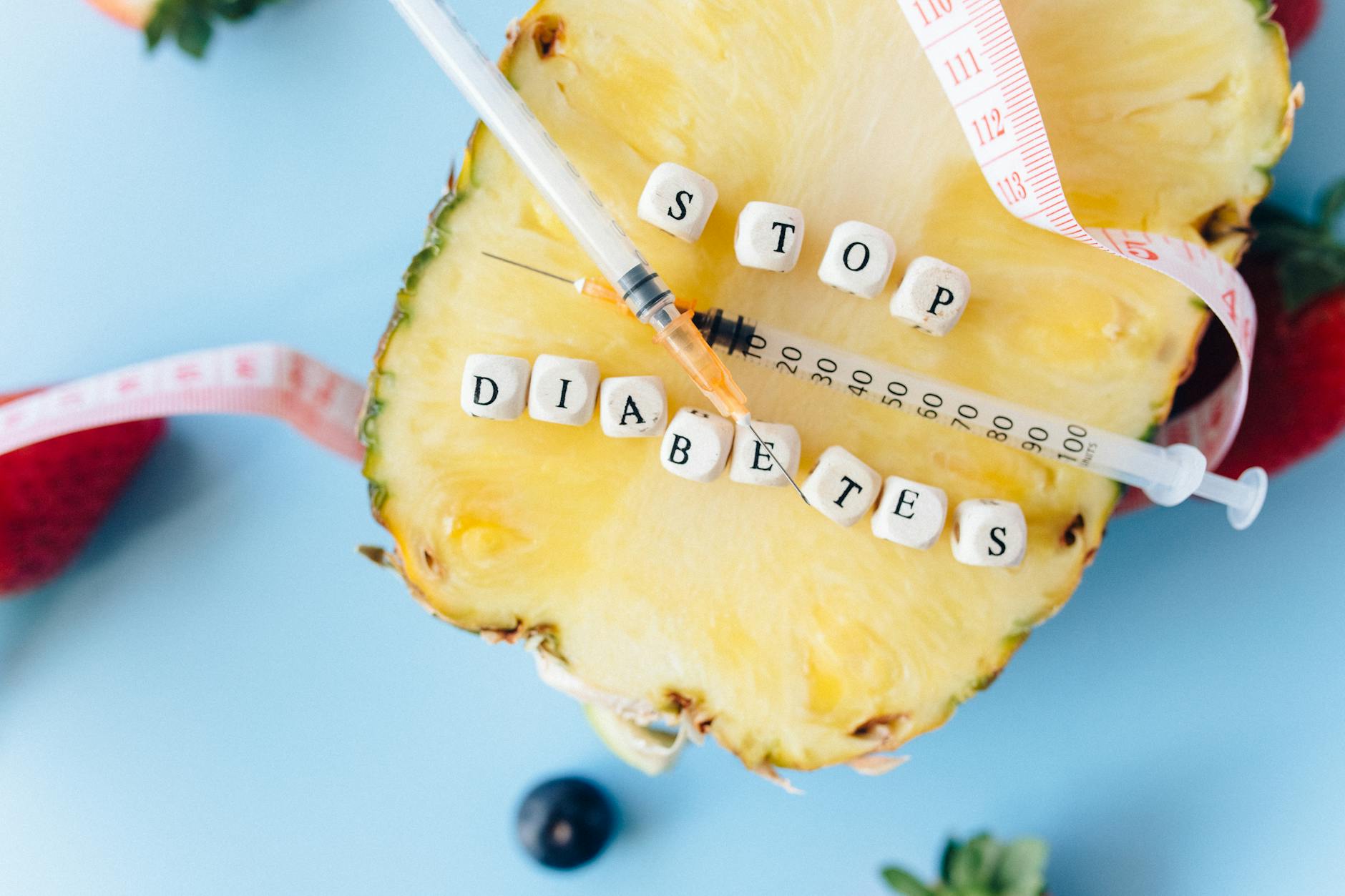
Prediabetes affects millions of people worldwide, and in 2026, medical professionals continue to emphasize that this condition is not a permanent diagnosis. With the right lifestyle modifications, you can reverse prediabetes and prevent the progression to type 2 diabetes. This comprehensive guide explores the latest medical insights and actionable strategies to help you take control of your health.
Understanding Prediabetes in 2026
Prediabetes occurs when blood sugar levels are higher than normal but not yet high enough to be classified as type 2 diabetes. According to 2026 health data, approximately 1 in 3 American adults has prediabetes, making it a critical public health concern.
During this stage, your body’s cells become resistant to insulin, causing blood glucose levels to rise. The good news is that this condition is reversible. Medical research in 2026 confirms that lifestyle interventions can reduce the risk of developing type 2 diabetes by up to 58% in people with prediabetes.
The Power of Dietary Changes
Embrace a Whole-Foods Diet
One of the most effective ways to reverse prediabetes is through dietary modification. In 2026, nutritionists recommend focusing on whole, unprocessed foods that stabilize blood sugar levels.
Incorporate more:
– Leafy green vegetables
– Berries and citrus fruits
– Legumes and beans
– Whole grains
– Nuts and seeds
– Lean proteins
Reduce Refined Carbohydrates
Refined carbohydrates cause rapid spikes in blood sugar, exacerbating insulin resistance. Cut back on white bread, sugary beverages, and processed snacks. Instead, choose complex carbohydrates with a lower glycemic index that provide sustained energy without blood sugar fluctuations.
Monitor Portion Sizes
Even healthy foods can contribute to weight gain if consumed in excessive quantities. 2026 dietary guidelines recommend using smaller plates, measuring portions, and being mindful of serving sizes to maintain a caloric deficit necessary for weight loss.
Limit Added Sugars
Added sugars are a primary driver of insulin resistance. Read nutrition labels carefully and aim to consume less than 25 grams of added sugar daily for women and 36 grams for men, according to 2026 American Heart Association recommendations.
Weight Loss: A Key Factor
Losing just 5-10% of your body weight can significantly improve insulin sensitivity and blood sugar control. Medical research in 2026 demonstrates that modest weight loss produces measurable improvements in glucose metabolism.
Create a sustainable caloric deficit through a combination of dietary changes and increased physical activity. Crash diets are ineffective and unsustainable; instead, focus on gradual, consistent weight loss of 1-2 pounds per week.
Physical Activity and Exercise
Cardiovascular Exercise
Aerobic activities like brisk walking, jogging, swimming, and cycling improve insulin sensitivity. 2026 health guidelines recommend at least 150 minutes of moderate-intensity cardio per week to help reverse prediabetes.
Strength Training
Resistance training builds muscle mass, which increases glucose uptake and improves metabolic health. Include strength training exercises 2-3 times per week, targeting major muscle groups.
Daily Movement
Incorporate more movement throughout your day. Take the stairs, park farther away, or take short walking breaks. Research in 2026 shows that breaking up sedentary time with brief activity bursts significantly benefits blood sugar control.
Stress Management and Sleep
Chronic stress elevates cortisol levels, which can worsen insulin resistance. In 2026, health professionals increasingly recognize the connection between mental health and metabolic disease.
Implement stress-reduction techniques such as:
– Meditation and mindfulness
– Yoga
– Deep breathing exercises
– Progressive muscle relaxation
Adequate sleep is equally important. Aim for 7-9 hours of quality sleep nightly. Sleep deprivation impairs glucose metabolism and increases cravings for unhealthy foods.
Monitor Your Progress
Regular monitoring helps track your progress and maintain motivation. Work with your healthcare provider to:
– Check fasting blood glucose levels every 3-6 months
– Monitor HbA1c levels, which reflect average blood sugar over 2-3 months
– Track weight and waist circumference
– Keep a food and activity journal
Hydration and Beverage Choices
Stay hydrated with water, the best choice for blood sugar management. Replace sugary beverages, including regular soda and fruit juices, with water, unsweetened tea, or black coffee. 2026 research confirms that excessive sugar consumption through drinks is a major contributor to prediabetes development.
The Role of Consistency
Reversing prediabetes requires commitment and consistency. These lifestyle changes aren’t temporary fixes but sustainable habits that support long-term health. In 2026, longitudinal studies show that people who maintain these changes for at least 3-6 months experience significant improvements in blood sugar control.
Working with Healthcare Professionals
Consult with your doctor, registered dietitian, or certified diabetes educator to create a personalized plan. These professionals can provide guidance tailored to your specific needs and monitor your progress throughout your journey.
Conclusion
Prediabetes is a wake-up call, not a death sentence. With the 2026 medical insights and evidence-based strategies outlined in this guide, you have the power to reverse this condition and prevent type 2 diabetes. By making meaningful changes to your diet, increasing physical activity, managing stress, and improving sleep quality, you can reclaim your metabolic health.
Start today. Small, consistent steps lead to remarkable transformations. Your future self will thank you for the investment you make in your health right now.
Further Reading
- NIH Office of Dietary Supplements
- CDC Health Statistics
- PubMed Central Research
- Mayo Clinic Patient Resources
Frequently Asked Questions
- What is the most important thing to know about reversing prediabetes?
- Understanding the core principles is essential. Research consistently shows that evidence-based approaches, combined with consistency and proper guidance, produce the best outcomes. Always consult qualified professionals for personalized advice.
- How long does it typically take to see results with reversing prediabetes?
- Results vary based on individual factors, but most people report noticeable improvements within 4–12 weeks of consistent effort. Starting with achievable goals and tracking progress helps maintain motivation and measure success effectively.
- Are there any common mistakes to avoid with reversing prediabetes?
- The most common mistake is expecting rapid results without building sustainable habits. Experts recommend starting gradually, staying consistent, and prioritizing quality over quantity to achieve lasting improvements.