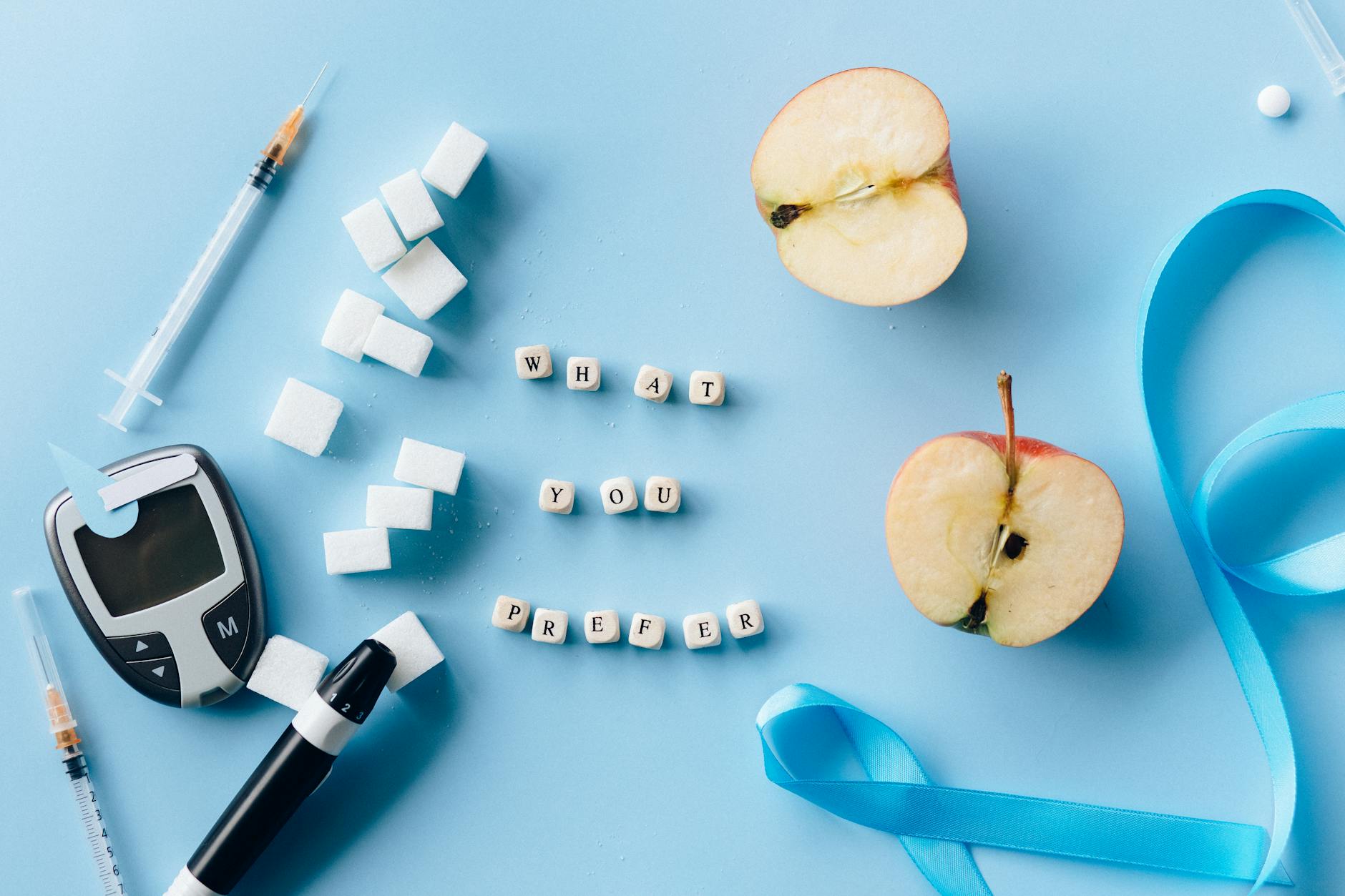
As we navigate through 2026, the health and wellness landscape continues to evolve at a rapid pace. New trends emerge constantly, but not all of them are backed by solid science or deliver real results. In this comprehensive guide, we’ll explore five emerging health trends that are gaining traction in 2026 and examine which ones actually live up to the hype.
1. Precision Nutrition and Personalized Wellness Plans
What Is Precision Nutrition?
Precision nutrition has moved from the realm of elite athletes and wealthy individuals into mainstream healthcare in 2026. This approach involves tailoring dietary recommendations based on your unique genetic makeup, microbiome composition, metabolic rate, and lifestyle factors.
Does It Actually Work?
Yes, with significant caveats. Recent studies from 2026 demonstrate that personalized nutrition plans show a 40% higher adherence rate compared to generic diet recommendations. Companies utilizing DNA testing, blood work, and microbiome analysis are helping individuals identify which foods work best for their specific bodies.
The key advantage is that what works for your neighbor might not work for you. Someone with a certain genetic predisposition might thrive on a low-carb diet, while another person sees better results with higher carbohydrate intake. Precision nutrition eliminates the guesswork.
How to Get Started
Look for certified nutritionists who offer personalized plans based on genetic testing and comprehensive health assessments. Many insurance plans in 2026 are beginning to cover these services, so check with your provider first.
2. Metabolic Health as the New Health Marker
Beyond BMI and Calories
In 2026, health professionals have largely moved away from BMI as the primary health metric. Instead, metabolic health—how efficiently your body processes glucose, manages insulin, and regulates inflammation—has become the gold standard.
Why This Matters
Metabolic health encompasses several key markers: fasting glucose levels, triglycerides, blood pressure, and waist circumference. Studies conducted in 2026 show that individuals with optimal metabolic health have significantly lower risks of heart disease, diabetes, and cognitive decline, regardless of their weight.
The Science Behind It
Research from 2026 indicates that you can be metabolically unhealthy at any weight and metabolically healthy at any weight. This paradigm shift means the focus has shifted from “losing weight” to “optimizing metabolic function.”
Practical Applications
Instead of counting calories, focus on:
– Regular strength training (2-3 times per week)
– Consistent sleep schedules (7-9 hours nightly)
– Stress management through meditation or yoga
– Consuming whole foods with high nutrient density
– Monitoring your metabolic markers through regular blood work
3. Gut Microbiome Optimization and Postbiotics
The Evolution Beyond Probiotics
While probiotics dominated the gut health conversation for years, 2026 has brought a more sophisticated understanding. The focus has shifted to postbiotics—the metabolic byproducts of beneficial bacteria that provide health benefits.
Why This Works Better
Postbiotics are more stable than probiotics, don’t require living organisms to survive the digestive tract, and have demonstrated measurable benefits in 2026 clinical trials. They support immune function, reduce inflammation, and improve the intestinal barrier.
Emerging Research in 2026
Scientists have identified specific postbiotic compounds that:
– Enhance cognitive function and mental health
– Reduce bloating and digestive discomfort
– Strengthen immune response
– Improve skin health and reduce acne
Actionable Steps
Instead of relying solely on probiotic supplements, consume fermented foods like sauerkraut, kimchi, and kefir. Consider postbiotic supplements that contain short-chain fatty acids (SCFAs), particularly butyrate, which has shown remarkable benefits in 2026 research.
4. Continuous Glucose Monitoring (CGM) for Everyone
From Diabetes Management to Optimization
Continuous glucose monitors, once exclusively for diabetics, have become mainstream wellness tools in 2026. These small sensors track blood sugar fluctuations throughout the day, revealing how different foods and activities affect your glucose levels.
Real Results from 2026 Data
Data collected in 2026 shows that individuals using CGMs reduce energy crashes by 35% on average and improve focus and productivity. The technology helps identify which foods trigger blood sugar spikes—information that’s incredibly valuable for personalized nutrition.
Who Should Use Them?
While anyone can benefit, CGMs are particularly valuable for:
– People with prediabetes or diabetes
– Those struggling with energy levels
– Individuals managing weight
– Athletes optimizing performance
– Anyone seeking to understand their metabolic response to foods
The Cost Factor
In 2026, CGM costs have decreased significantly, with many insurance plans covering them for non-diabetic individuals. Some devices are now available over-the-counter at reasonable price points.
5. Functional Fitness and Movement Medicine
Beyond Traditional Exercise
In 2026, the fitness industry has embraced a more holistic approach called “movement medicine”—exercise designed to improve daily function, prevent injury, and enhance quality of life rather than simply achieving aesthetic goals.
What Makes This Effective?
Functional fitness focuses on exercises that mimic real-life movements. Research from 2026 demonstrates that this approach:
– Reduces injury rates by 50% compared to traditional gym workouts
– Improves balance and coordination
– Enhances daily mobility
– Provides better long-term adherence
Practical Implementation
Incorporate these functional movements into your routine:
– Compound movements (squats, deadlifts, push-ups)
– Balance training and proprioceptive work
– Loaded carries and functional strength
– Dynamic stretching and mobility work
– Movement patterns that translate to daily activities
The beauty of functional fitness in 2026 is that it’s accessible to all ages and fitness levels, from beginners to advanced athletes.
Making These Trends Work for You
The health trends of 2026 share a common thread: personalization and optimization rather than one-size-fits-all approaches. The most effective strategy is to:
- Start with assessment: Get comprehensive health markers measured
- Experiment thoughtfully: Try new approaches for 4-6 weeks before evaluating results
- Track your data: Use apps and wearables to monitor progress
- Consult professionals: Work with qualified healthcare providers
- Stay consistent: Long-term habits matter more than short-term intensity
Conclusion
The health trends of 2026 represent a significant shift toward precision, personalization, and evidence-based wellness. Rather than chasing fads, these emerging approaches are grounded in solid science and deliver measurable results when implemented correctly.
The best health trend for you is the one you’ll actually stick with. Start by selecting one or two of these approaches that resonate with your health goals and lifestyle, implement them consistently, and assess your results after several weeks. Your future self will thank you for taking action today.
Sources and Further Reading
Frequently Asked Questions
What is 5 Emerging Health Trends You Should Know?
5 Emerging Health Trends You Should Know refers to a set of concepts and practices relevant to health. Understanding the fundamentals helps you apply these techniques effectively in real-world situations.
Who benefits most from 5 Emerging Health Trends You Should Know?
Anyone working in or interested in health can benefit. Beginners gain foundational knowledge, while experienced practitioners find actionable guidance for common challenges.
What are the key steps to get started with 5 Emerging Health Trends You Should Know?
Start by understanding the core principles, then apply them incrementally. Focus on measurable outcomes and iterate based on what you observe in practice.