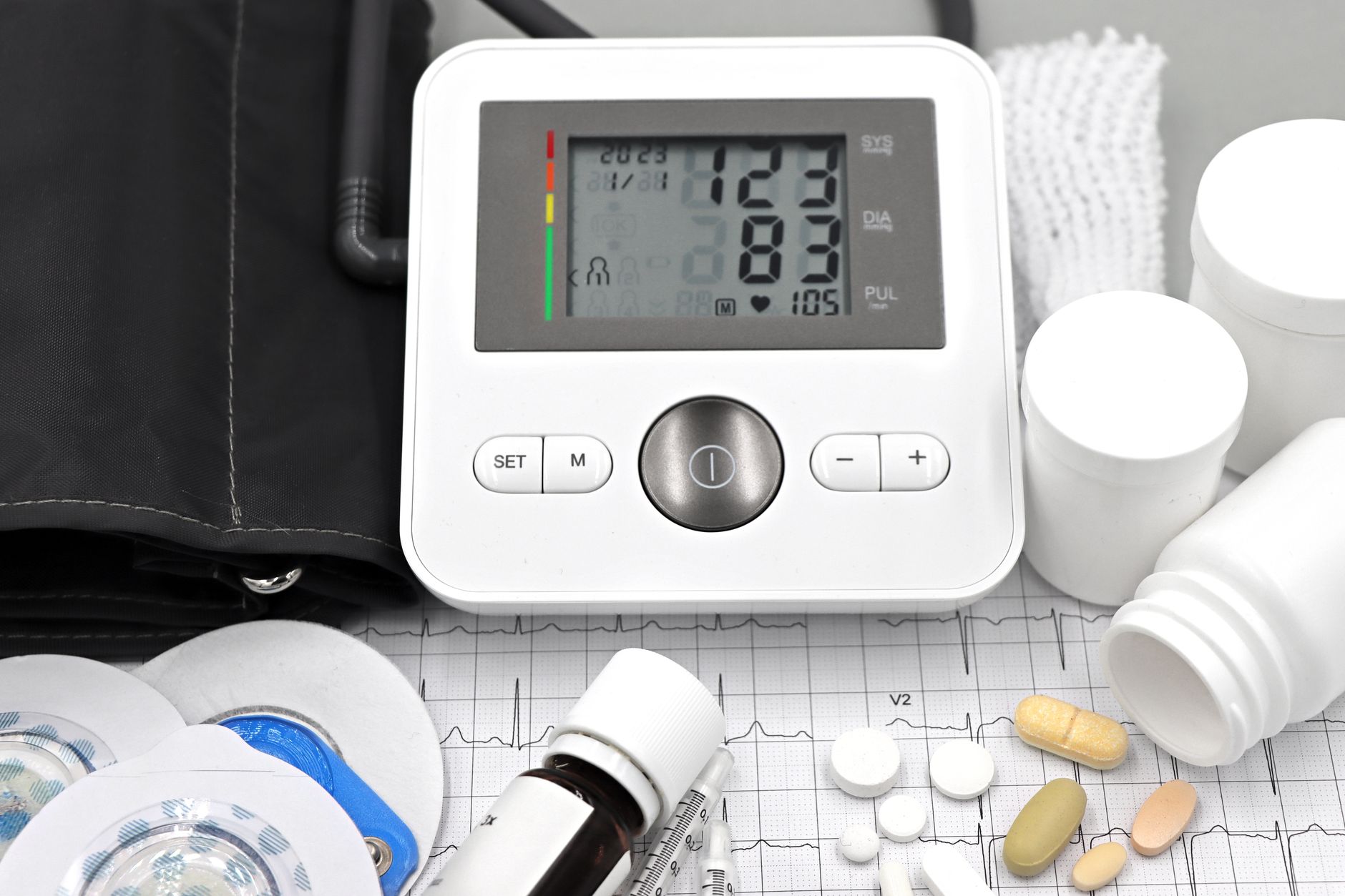
High blood pressure affects millions of people worldwide, and the numbers continue to climb in 2026. According to recent health data, approximately one in three American adults struggle with hypertension. While prescription medications are often recommended, many people prefer exploring natural alternatives first. The good news? Lifestyle modifications can be remarkably effective at lowering blood pressure without pharmaceutical intervention.
This comprehensive guide will walk you through proven strategies to manage your blood pressure naturally and sustainably.
Step 1: Adopt the DASH Diet
What Is the DASH Diet?
DASH stands for Dietary Approaches to Stop Hypertension. This evidence-based eating plan has been consistently ranked as one of the healthiest diets by nutritionists and cardiologists throughout 2026.
The DASH diet emphasizes:
- Fresh fruits and vegetables (8-10 servings daily)
- Whole grains and fiber-rich foods
- Lean proteins like fish and poultry
- Low-fat dairy products
- Nuts, seeds, and legumes
- Minimal sodium, added sugars, and saturated fats
Implementation Tips
Start by gradually reducing your sodium intake. Most Americans consume 3,400 mg of sodium daily, while the recommended amount is just 2,300 mg. By cutting back on processed foods, canned soups, and restaurant meals, you can significantly reduce sodium consumption.
Replace salt with herbs and spices like garlic, basil, and cumin to keep meals flavorful. Studies in 2026 show that people following the DASH diet can reduce their blood pressure by 8-14 mmHg within just two weeks.
Step 2: Increase Physical Activity
Exercise Guidelines for Blood Pressure Management
Regular physical activity is one of the most powerful natural tools for blood pressure reduction. The American Heart Association recommends 150 minutes of moderate-intensity aerobic exercise weekly.
Types of Beneficial Exercise
Aerobic Activities:
– Brisk walking (30 minutes, 5 days per week)
– Cycling
– Swimming
– Jogging
– Dancing
Strength Training:
Incorporate resistance exercises 2-3 times weekly. Strength training helps build muscle mass, which improves metabolic health and supports blood pressure regulation.
Flexibility Work:
Yoga and stretching routines reduce stress and promote relaxation, both crucial for blood pressure management.
Research from 2026 demonstrates that consistent exercise can lower blood pressure by 5-8 mmHg, rivaling the effects of some medications.
Step 3: Manage Stress Effectively
The Stress-Blood Pressure Connection
Chronic stress elevates cortisol levels, which directly impacts blood pressure. In our fast-paced world of 2026, stress management has become essential for cardiovascular health.
Proven Stress-Reduction Techniques
Meditation and Mindfulness:
Spend 10-20 minutes daily practicing meditation. Apps and online platforms make this more accessible than ever in 2026. Regular meditation can reduce blood pressure by 5-10 mmHg.
Deep Breathing Exercises:
Practice the 4-7-8 breathing technique: inhale for 4 counts, hold for 7, exhale for 8. This activates your parasympathetic nervous system, promoting relaxation.
Progressive Muscle Relaxation:
Systematically tense and release muscle groups throughout your body, releasing physical tension that contributes to elevated blood pressure.
Hobbies and Social Connection:
Engage in activities you enjoy and maintain strong social relationships. Studies in 2026 confirm that social support significantly improves blood pressure outcomes.
Step 4: Optimize Your Sleep Quality
Sleep and Blood Pressure Regulation
Poor sleep quality and insufficient sleep duration are directly linked to hypertension. Adults should aim for 7-9 hours nightly.
Sleep Improvement Strategies
- Maintain a consistent sleep schedule (same bedtime and wake time daily)
- Create a dark, cool, quiet bedroom environment
- Avoid screens 30-60 minutes before bed
- Limit caffeine after 2 PM
- Avoid large meals close to bedtime
- Consider blackout curtains or white noise machines
Research from 2026 shows that improving sleep quality can reduce blood pressure by 4-9 mmHg.
Step 5: Limit Alcohol and Eliminate Smoking
Alcohol Consumption Guidelines
Excessive alcohol consumption raises blood pressure significantly. Men should limit intake to no more than 2 drinks daily, while women should consume no more than 1 drink daily.
Smoking Cessation
Smoking causes immediate blood pressure spikes and damages blood vessel walls. Quitting smoking is one of the most impactful changes you can make. Within weeks of quitting, blood pressure begins to normalize.
Step 6: Monitor Your Weight
Weight and Blood Pressure Connection
Each kilogram of weight loss can reduce blood pressure by approximately 1 mmHg. Even modest weight loss of 5-10% of body weight produces meaningful improvements.
Healthy Weight Management
Combine the DASH diet with regular exercise for sustainable weight loss. Avoid crash diets and focus on long-term lifestyle changes that work in 2026’s health landscape.
Step 7: Track Your Progress
Home Blood Pressure Monitoring
Invest in a reliable home blood pressure monitor. Regular monitoring helps you:
- Track the effectiveness of lifestyle changes
- Identify patterns and triggers
- Provide accurate data for healthcare providers
- Stay motivated
Take readings at the same time daily, preferably in the morning before medication (if applicable).
Step 8: Consider Supplements Wisely
Evidence-Based Supplements
While supplements shouldn’t replace lifestyle changes, some show promise in 2026 research:
- Potassium: Supports healthy blood pressure (consult your doctor first)
- Magnesium: May help relax blood vessels
- Coenzyme Q10: Shows modest benefits in some studies
- Garlic extract: May provide small reductions in blood pressure
Always consult with your healthcare provider before starting supplements, as they can interact with medications.
Conclusion
Lowering blood pressure naturally requires commitment and consistency, but the results are worth the effort. By implementing these eight steps—adopting the DASH diet, exercising regularly, managing stress, improving sleep, limiting alcohol, quitting smoking, maintaining a healthy weight, and monitoring your progress—you can achieve significant blood pressure reductions without prescription drugs.
Remember that everyone’s body responds differently. What works best for you may require some experimentation and patience. Most importantly, work with your healthcare provider throughout this journey. They can help monitor your progress and ensure these lifestyle changes are appropriate for your individual health situation.
In 2026, the evidence is clear: natural approaches to blood pressure management work. Start today, stay consistent, and take control of your cardiovascular health.
Sources and Further Reading
Frequently Asked Questions
What is How to Lower Your Blood Pressure Without?
How to Lower Your Blood Pressure Without refers to a set of concepts and practices relevant to health. Understanding the fundamentals helps you apply these techniques effectively in real-world situations.
Who benefits most from How to Lower Your Blood Pressure Without?
Anyone working in or interested in health can benefit. Beginners gain foundational knowledge, while experienced practitioners find actionable guidance for common challenges.
What are the key steps to get started with How to Lower Your Blood Pressure Without?
Start by understanding the core principles, then apply them incrementally. Focus on measurable outcomes and iterate based on what you observe in practice.