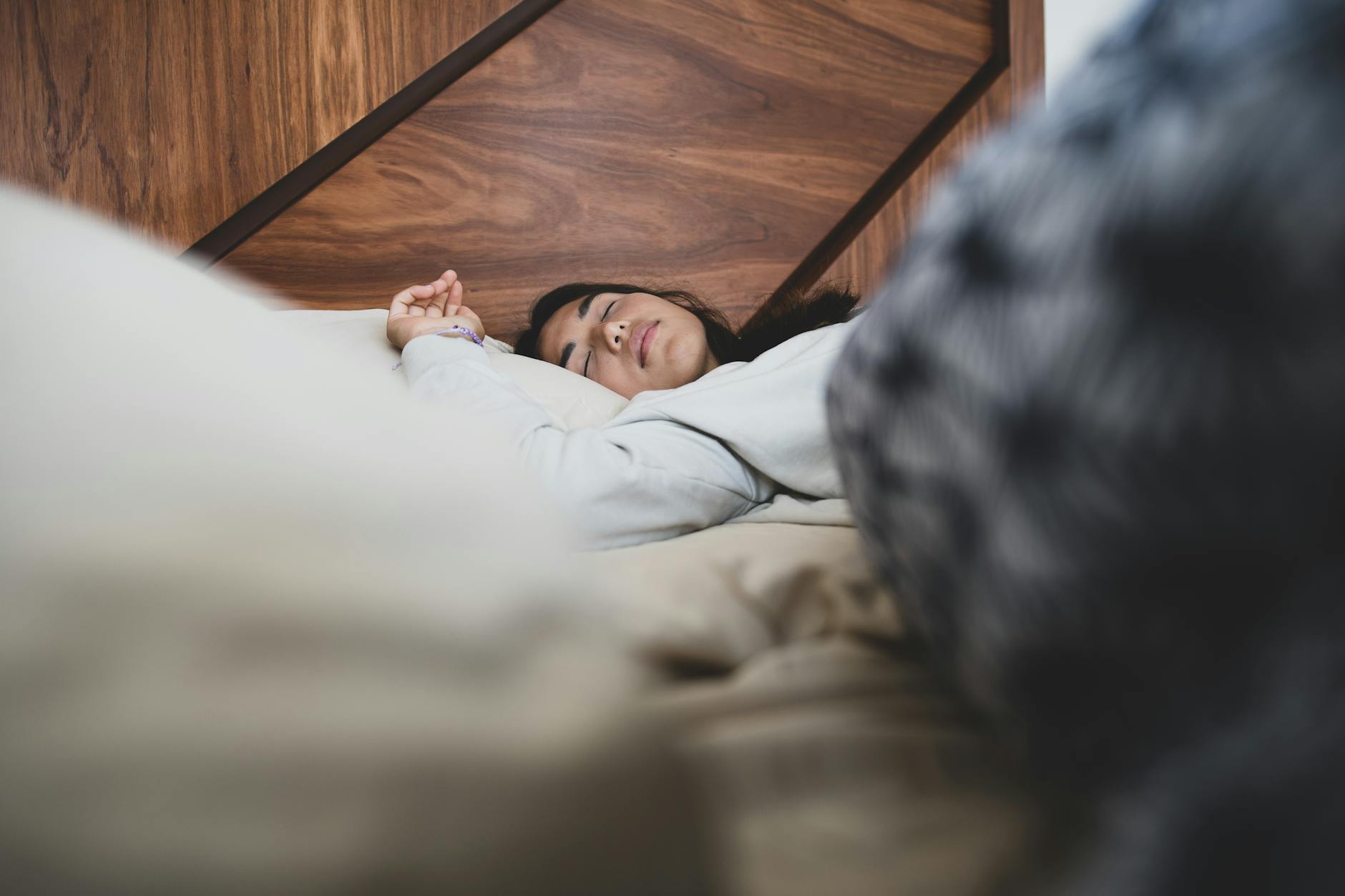
Quality sleep has become one of the most critical components of overall health and wellness in 2026. With increasing awareness of sleep’s impact on cognitive function, immune health, and emotional well-being, more people are taking a scientific approach to improving their sleep patterns. Creating a personalized sleep optimization plan tailored to your unique needs can transform your health and productivity.
Understanding Your Sleep Baseline in 2026
Before implementing any changes, it’s essential to understand your current sleep patterns. In 2026, advanced sleep tracking technology has made it easier than ever to monitor your sleep quality without expensive laboratory tests.
Track Your Sleep Metrics
Start by tracking these key metrics for at least two weeks:
- Total sleep duration: How many hours you actually sleep each night
- Sleep latency: How long it takes you to fall asleep
- Sleep quality: How rested you feel upon waking
- Wake-ups: How many times you interrupt your sleep
- REM and deep sleep percentages: The proportion of restorative sleep stages
Modern wearable devices and smartphone apps available in 2026 can provide detailed insights into these metrics. This data becomes your baseline for measuring improvement.
Identify Your Chronotype
Your chronotype—whether you’re naturally a morning person or night owl—significantly influences your optimal sleep schedule. Understanding your chronotype helps you align your sleep plan with your body’s natural rhythms rather than fighting against them.
Assessing Your Sleep Obstacles
Environmental Factors
Your sleep environment plays a crucial role in sleep quality. Evaluate these elements:
- Temperature: The ideal sleeping temperature is between 60-67°F (15-19°C)
- Light exposure: Darkness triggers melatonin production; consider blackout curtains or blue light glasses
- Noise levels: White noise machines or earplugs can help manage disruptive sounds
- Mattress and pillows: Ensure your sleep surface provides adequate support
Behavioral Patterns
Identify habits that might be sabotaging your sleep:
- Caffeine consumption after 2 PM
- Irregular sleep schedules
- Screen time within two hours of bedtime
- Intense exercise close to bedtime
- Alcohol consumption, which disrupts sleep architecture
Health Considerations
Certain medical conditions and medications can impact sleep. If you suffer from sleep disorders, anxiety, or other health concerns, consult with a healthcare provider before implementing significant changes.
Developing Your Personalized Sleep Schedule
Calculate Your Optimal Sleep Duration
While the standard recommendation is 7-9 hours for adults, individual needs vary. Track how you feel with different sleep durations to find your personal sweet spot. Some people thrive on 7 hours, while others need 9 hours to function optimally.
Establish Consistent Sleep and Wake Times
Consistency is one of the most powerful sleep optimization tools available in 2026. Going to bed and waking at the same time daily—even on weekends—helps regulate your circadian rhythm. This consistency strengthens your body’s internal clock, making it easier to fall asleep and wake naturally.
Account for Sleep Cycles
Human sleep occurs in 90-minute cycles. Calculate your ideal bedtime by working backward from your wake time in 90-minute increments. For example, if you need 7.5 hours of sleep and wake at 6:30 AM, aim to be asleep by 11:00 PM.
Optimizing Your Pre-Sleep Routine
Create a Wind-Down Period
Develop a consistent 30-60 minute wind-down routine before bed:
- Dim the lights: Gradually reduce light exposure to signal melatonin production
- Lower temperature: A slightly cooler environment promotes sleep
- Practice relaxation: Try meditation, deep breathing, or progressive muscle relaxation
- Read or journal: Engage in calming activities that don’t involve screens
Implement Light Management
In 2026, light management has become increasingly sophisticated. Exposure to bright light in the morning helps set your circadian rhythm, while blue light in the evening suppresses melatonin. Consider:
- Morning sunlight exposure within 30 minutes of waking
- Blue light filters on devices after sunset
- Smart lighting systems that adjust color temperature throughout the day
Optimize Nutrition and Hydration
- Avoid heavy meals 2-3 hours before bed
- Stay hydrated throughout the day but limit fluids before sleep
- Consider sleep-promoting foods like almonds, kiwis, or chamomile tea
- Limit caffeine after early afternoon
Leveraging Technology for Sleep Optimization
Sleep Tracking Devices
Modern wearables provide real-time feedback on your sleep patterns. Use this data to identify trends and measure the effectiveness of your interventions.
Sleep Apps and Software
Numerous applications in 2026 offer guided meditations, sleep stories, and binaural beats designed to improve sleep onset and quality.
Smart Home Integration
Automate your sleep environment with smart devices that adjust temperature, lighting, and sound based on your sleep schedule.
Dietary and Supplement Considerations
Natural Sleep Promoters
Certain foods and supplements may enhance sleep quality:
- Magnesium: Supports relaxation and sleep quality
- Melatonin: Helps regulate sleep-wake cycles
- L-theanine: Promotes relaxation without drowsiness
- Valerian root: Traditional sleep support herb
Consult with a healthcare provider before starting any supplement regimen.
Managing Stress and Mental Health
Stress Reduction Techniques
Chronic stress is a major sleep disruptor. Implement stress management strategies:
- Meditation: Even 10 minutes daily can improve sleep
- Yoga: Gentle evening yoga promotes relaxation
- Journaling: Process worries before bed
- Breathing exercises: Box breathing and 4-7-8 technique are effective
Cognitive Behavioral Therapy for Insomnia (CBT-I)
In 2026, CBT-I remains the gold standard for treating chronic insomnia. Consider working with a specialist if sleep issues persist.
Monitoring Progress and Adjusting Your Plan
Establish Baseline Metrics
Record your starting point across all relevant metrics before making changes.
Implement Changes Gradually
Introduce modifications one at a time so you can identify which changes are most effective for you.
Review and Reassess
Every 2-4 weeks, review your sleep data and how you feel. Are you sleeping better? Do you have more energy? Use these observations to refine your plan.
Be Patient with Progress
Significant improvements in sleep often take 4-8 weeks. Consistency matters more than perfection.
Conclusion
Creating a personalized sleep optimization plan in 2026 requires understanding your unique needs, identifying obstacles, and implementing evidence-based strategies. By combining environmental optimization, behavioral changes, consistent scheduling, and modern technology, you can dramatically improve your sleep quality and overall health. Remember that the best sleep plan is one you can maintain long-term. Start with small, sustainable changes and build from there. Your future self will thank you for the investment in better sleep today.
Sources and Further Reading
Frequently Asked Questions
What is How to Create a Personalized Sleep Optim?
How to Create a Personalized Sleep Optim refers to a set of concepts and practices relevant to health. Understanding the fundamentals helps you apply these techniques effectively in real-world situations.
Who benefits most from How to Create a Personalized Sleep Optim?
Anyone working in or interested in health can benefit. Beginners gain foundational knowledge, while experienced practitioners find actionable guidance for common challenges.
What are the key steps to get started with How to Create a Personalized Sleep Optim?
Start by understanding the core principles, then apply them incrementally. Focus on measurable outcomes and iterate based on what you observe in practice.