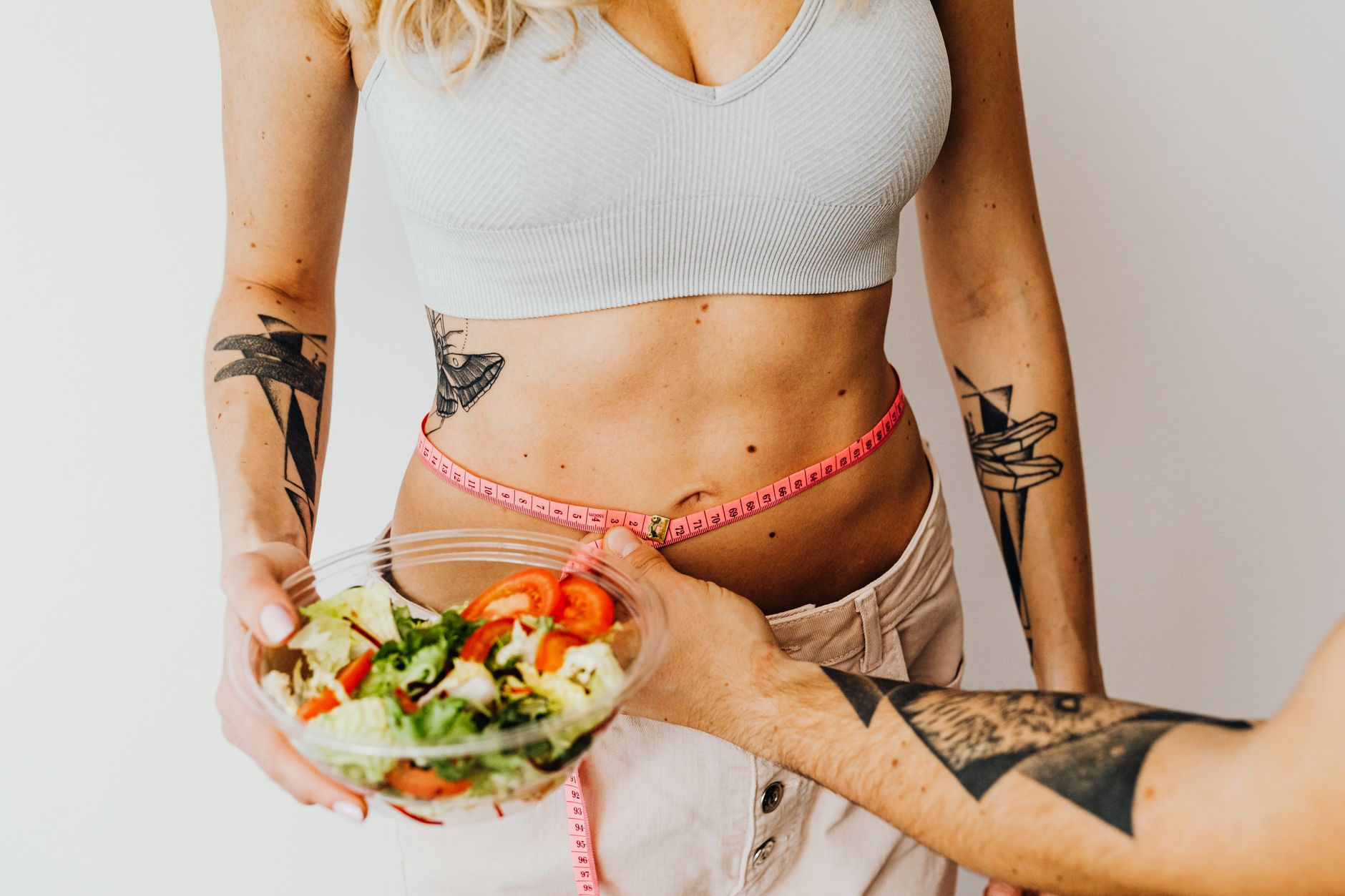
Meal prepping has become one of the most effective strategies for managing weight in 2026. Whether you’re looking to lose weight, maintain your current physique, or build healthier eating habits, meal preparation offers a structured, sustainable approach that removes guesswork from your daily nutrition.
This comprehensive guide will walk you through everything you need to know about meal prepping for weight management, from basic principles to advanced techniques.
Why Meal Prepping Works for Weight Management
Meal prepping is fundamentally about taking control of your nutrition. When you prepare meals in advance, you eliminate impulsive food choices and reduce reliance on convenient but calorie-dense options.
Research in 2026 shows that individuals who meal prep consume approximately 15-20% fewer calories than those who eat spontaneously. This isn’t about restriction—it’s about intentional choices.
The benefits extend beyond calorie counting:
- Portion Control: Pre-portioned meals prevent overeating
- Nutritional Balance: You control macronutrient ratios
- Time Efficiency: Less daily cooking means less stress
- Cost Savings: Buying in bulk reduces food expenses
- Consistency: Regular eating patterns support metabolic health
Getting Started: Essential Meal Prep Supplies
Containers and Storage
Invest in quality, durable containers. Glass containers with secure lids have become the standard in 2026 for their durability and ability to withstand repeated use. Look for containers that are:
- Microwave safe
- Freezer safe
- Dishwasher safe
- Stackable for efficient storage
A basic set of 10-15 containers is sufficient for most meal prep routines.
Kitchen Equipment
You don’t need expensive gadgets, but certain tools make the process smoother:
- Sharp knives for efficient chopping
- Cutting boards (preferably two—one for vegetables, one for proteins)
- Large mixing bowls
- Measuring cups and scales
- Sheet pans for batch cooking
- Slow cooker or instant pot
Planning Your Meal Prep Strategy
Step 1: Assess Your Goals and Schedule
Before diving into meal prep, clarify your objectives. Are you aiming for weight loss, maintenance, or muscle gain? How many days per week can you dedicate to meal prep?
Most successful meal preppers in 2026 dedicate 2-3 hours weekly, typically on Sunday or another consistent day.
Step 2: Calculate Your Caloric Needs
Understanding your baseline caloric requirements is crucial. Use online calculators based on your age, gender, weight, height, and activity level. For weight loss, a moderate deficit of 300-500 calories below maintenance is sustainable and effective.
Step 3: Choose Your Meal Prep Method
There are several approaches:
Batch Cooking: Prepare individual components (proteins, vegetables, grains) separately, then mix and match throughout the week.
Complete Meal Prep: Prepare entire meals in containers, ready to eat or reheat.
Ingredient Prep: Chop vegetables and marinate proteins, then assemble meals during the week.
Building Balanced Meals for Weight Management
The Plate Method
The simplest approach to balanced meals divides your plate into three sections:
- 50% Vegetables: Non-starchy vegetables like broccoli, spinach, bell peppers, and zucchini
- 25% Lean Protein: Chicken breast, fish, turkey, tofu, or legumes
- 25% Complex Carbohydrates: Brown rice, quinoa, sweet potatoes, or whole-grain bread
This ratio naturally supports weight management by prioritizing satiety through fiber and protein.
Protein Priorities
Protein is essential for weight management because it:
- Increases feelings of fullness
- Supports muscle preservation during weight loss
- Has a higher thermic effect (burns more calories during digestion)
Aim for 0.8-1 gram of protein per pound of body weight. Excellent meal prep proteins include:
- Grilled chicken breast
- Baked salmon
- Ground turkey
- Lean beef
- Tofu and tempeh
- Canned tuna
- Greek yogurt
- Eggs
Vegetable Variety
Non-starchy vegetables are your secret weapon. They’re low in calories, high in fiber, and packed with nutrients. Prepare a variety:
- Leafy greens (spinach, kale)
- Cruciferous vegetables (broccoli, cauliflower, Brussels sprouts)
- Colorful vegetables (bell peppers, carrots, tomatoes)
- Other options (zucchini, asparagus, green beans)
Smart Carbohydrate Selection
Complex carbohydrates provide sustained energy. Portion them carefully:
- Brown rice
- Oats
- Quinoa
- Sweet potatoes
- Whole-grain pasta
- Legumes
Your First Week of Meal Prepping
Sunday Preparation Schedule (3 hours)
Hour 1: Planning and Shopping
– Review recipes
– Check pantry inventory
– Shop for ingredients
Hour 2: Cooking
– Prepare proteins (grill, bake, or slow cook)
– Cook grains
– Roast vegetables
Hour 3: Assembly and Storage
– Portion meals into containers
– Label with dates
– Store appropriately
Sample Weekly Meal Plan for Weight Management
Breakfast: Oatmeal with berries and almonds (300 calories)
Lunch: Grilled chicken breast, brown rice, roasted broccoli (450 calories)
Dinner: Baked salmon, sweet potato, steamed asparagus (500 calories)
Snacks: Greek yogurt, apple with almond butter (250 calories)
Total: Approximately 1,500 calories daily
Common Meal Prep Mistakes to Avoid
Overcooking and Flavor Loss
Slightly undercook vegetables so they maintain texture and nutrients after reheating. Store sauces separately to prevent sogginess.
Monotonous Meals
Rotate proteins, vegetables, and seasonings. Use different marinades and spices to keep meals interesting.
Improper Storage
Store meals in the coldest part of your refrigerator. Most prepared meals last 3-4 days. Freeze additional portions for later weeks.
Ignoring Hydration
Prep isn’t just about food. Prepare water bottles or herbal teas to support consistent hydration.
Advanced Tips for 2026
In 2026, many meal preppers use apps and smart kitchen devices to track nutrition and optimize timing. Consider:
- Nutrition tracking apps for precise macro counting
- Smart scales for accurate portioning
- Meal prep delivery services as supplements
- Community groups for motivation and recipe sharing
Maintaining Long-Term Success
Meal prepping is most effective as a sustainable habit. Start with 2-3 days of prepared meals and gradually increase. Track your progress and adjust portions based on results.
Consistency matters more than perfection. Even imperfect meal prepping beats relying on convenience foods.
Conclusion
Meal prepping for weight management in 2026 is accessible, practical, and proven effective. By investing a few hours weekly in preparation, you gain control over your nutrition, save money, and create the foundation for lasting weight management success.
Start this week with one simple meal prep session. Your future self will thank you for the time and health investment.
Sources and Further Reading
Frequently Asked Questions
What is Beginner’s Guide to Meal Prepping for We?
Beginner’s Guide to Meal Prepping for We refers to a set of concepts and practices relevant to health. Understanding the fundamentals helps you apply these techniques effectively in real-world situations.
Who benefits most from Beginner’s Guide to Meal Prepping for We?
Anyone working in or interested in health can benefit. Beginners gain foundational knowledge, while experienced practitioners find actionable guidance for common challenges.
What are the key steps to get started with Beginner’s Guide to Meal Prepping for We?
Start by understanding the core principles, then apply them incrementally. Focus on measurable outcomes and iterate based on what you observe in practice.