As we move through 2026, the shift toward plant-based diets continues to accelerate, with more people recognizing the environmental and health benefits of reducing animal protein consumption. However, choosing the right plant-based protein sources requires understanding their nutritional profiles. This comprehensive guide ranks the top plant-based proteins by nutritional value to help you make informed dietary choices.
Why Plant-Based Protein Matters in 2026
The plant-based protein market has grown exponentially, with 2026 data showing that over 39% of Americans actively incorporate plant-based proteins into their diets. Whether you’re vegan, vegetarian, or simply looking to diversify your protein intake, understanding which sources deliver the most nutritional bang for your buck is essential.
Plant-based proteins offer numerous advantages: they’re typically lower in saturated fat, rich in fiber, and packed with phytonutrients. However, not all plant proteins are created equal. Some are complete proteins containing all nine essential amino acids, while others require strategic pairing to achieve optimal nutrition.
Top Plant-Based Protein Sources Ranked by Nutritional Value
1. Hemp Seeds
Hemp seeds consistently rank at the top of nutritional comparisons in 2026. These nutrient-dense seeds contain approximately 10 grams of complete protein per 3 tablespoons, making them one of the few plant sources with all essential amino acids.
Key nutritional benefits include:
– Complete amino acid profile
– Rich in omega-3 and omega-6 fatty acids
– High in magnesium and phosphorus
– Excellent source of fiber
2. Spirulina
This blue-green algae has emerged as a nutritional powerhouse, containing roughly 8 grams of protein per 2 tablespoons. Spirulina offers one of the highest protein concentrations among plant foods.
Notable advantages:
– Nearly complete protein (contains 18 of 20 amino acids)
– Rich in B vitamins and iron
– Contains phycocyanin, a powerful antioxidant
– Supports immune function
3. Pumpkin Seeds
Pumpkin seeds provide approximately 9 grams of protein per ounce, along with exceptional micronutrient density. Current 2026 nutritional research highlights their role in supporting heart health and muscle recovery.
Key nutrients:
– Complete amino acid profile
– High in zinc and magnesium
– Rich in antioxidants
– Good source of plant-based iron
4. Lentils
Lentils remain a staple in plant-based diets, offering about 18 grams of protein per cooked cup. They’re affordable, versatile, and nutrient-rich, making them accessible to everyone.
Nutritional highlights:
– High in fiber (approximately 8 grams per cup)
– Excellent source of polyphenols
– Rich in folate and iron
– Low glycemic index
5. Chickpeas
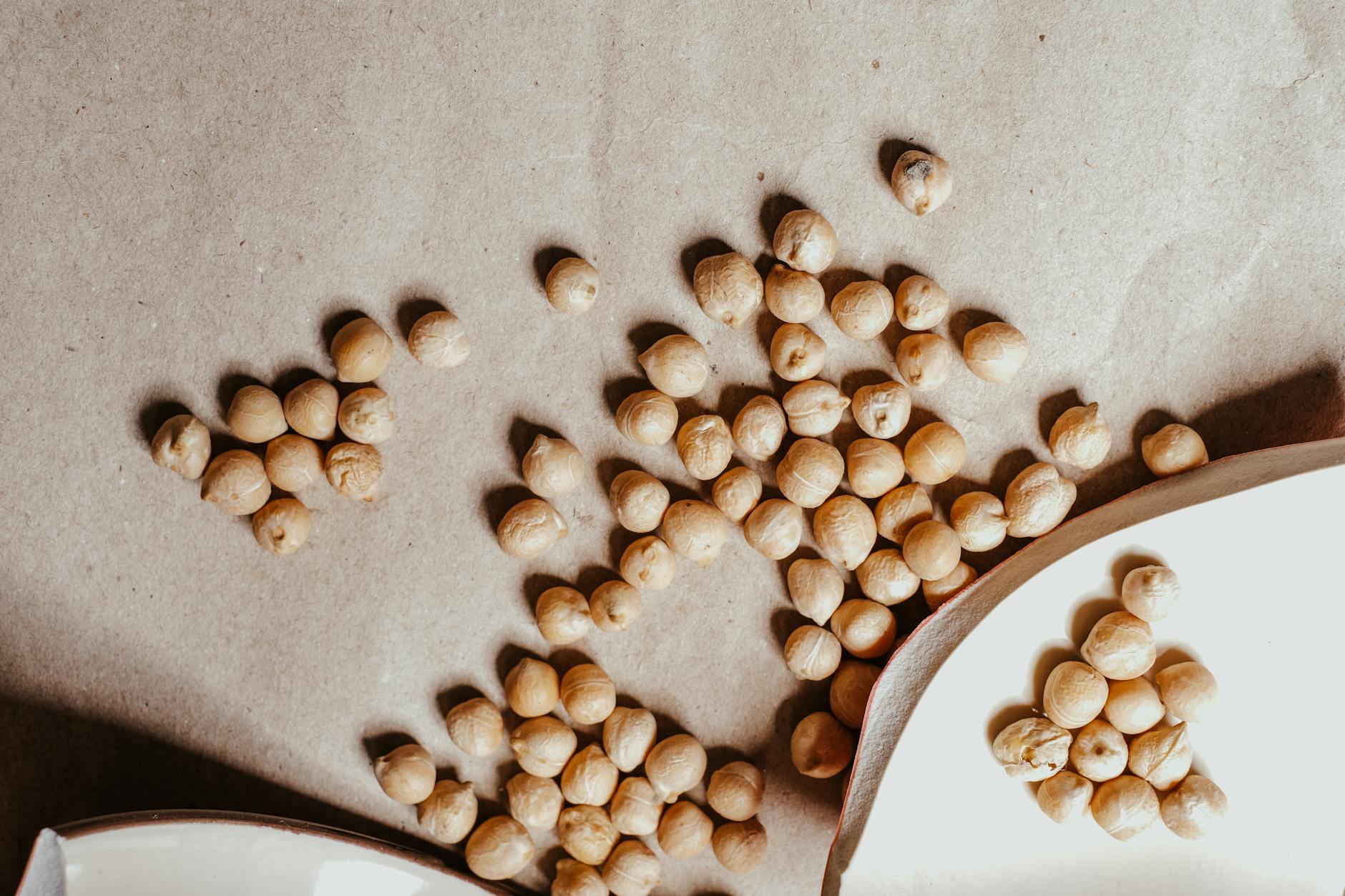
Chickpeas deliver approximately 15 grams of protein per cooked cup and have been central to Mediterranean and Middle Eastern diets for centuries. Their popularity continues to grow in 2026 as consumers seek sustainable protein options.
Benefits include:
– Complete amino acid profile when combined with grains
– High in resistant starch
– Excellent source of manganese
– Supports digestive health
6. Quinoa
Quinoa stands out as a complete plant protein, containing all nine essential amino acids. With approximately 8 grams of protein per cooked cup, it’s an excellent grain choice for balanced meals.
Key advantages:
– Complete amino acid profile
– High in fiber and magnesium
– Naturally gluten-free
– Rich in quercetin and kaempferol (flavonoids)
7. Tempeh
Tempeh, a fermented soybean product, contains about 19 grams of protein per 3-ounce serving. The fermentation process enhances digestibility and nutrient bioavailability compared to tofu.
Nutritional benefits:
– Complete protein source
– Contains beneficial probiotics
– Rich in B vitamins
– Lower in sodium than many alternatives
8. Nutritional Yeast
This deactivated yeast provides approximately 8 grams of protein per 2 tablespoons and is fortified with B vitamins. It’s become increasingly popular in 2026 as a cheese substitute and nutritional supplement.
Key features:
– Nearly complete amino acid profile
– Excellent source of B12 (when fortified)
– Rich in chromium
– Supports immune function
9. Tofu
Tofu offers about 10 grams of protein per 4-ounce serving and serves as a versatile base for countless dishes. Its neutral flavor and adaptable texture make it a kitchen staple.
Advantages:
– Complete protein
– Contains isoflavones
– Low in calories
– Excellent for absorbing flavors
10. Peas and Pea Protein
Green peas provide approximately 8 grams of protein per cooked cup, while isolated pea protein powders contain up to 25 grams per serving. Pea protein has gained significant traction in 2026 as a clean, hypoallergenic option.
Benefits:
– Nearly complete amino acid profile
– High in fiber
– Rich in polyphenols
– Excellent for muscle recovery
Optimizing Your Plant-Based Protein Strategy
Combining Proteins for Complete Amino Acids
While many plant proteins are incomplete, combining them strategically ensures you receive all essential amino acids. Classic combinations include:
– Rice and beans
– Hummus and whole grain bread
– Quinoa and legumes
– Nuts and seeds with grains
Bioavailability Considerations
In 2026, nutritional science emphasizes that protein quantity matters less than quality and absorption. Factors affecting bioavailability include:
– Cooking methods (fermentation and sprouting enhance absorption)
– Food combinations
– Individual digestive health
– Presence of antinutrients
Practical Integration Tips
For Breakfast: Add hemp seeds or pumpkin seeds to smoothie bowls, oatmeal, or yogurt alternatives.
For Lunch: Build meals around lentils, chickpeas, or tofu with whole grains.
For Snacks: Choose nuts, seeds, or nutritional yeast-based options.
For Dinner: Incorporate tempeh, quinoa, or bean-based dishes as your protein foundation.
Addressing Common Concerns
Digestibility
Plant proteins are generally well-tolerated when properly prepared. Soaking, sprouting, and fermenting reduce antinutrients and improve digestibility. Most people adapt well within 2-3 weeks of increased plant protein consumption.
Cost Efficiency
Contrary to popular belief, plant-based proteins are often more affordable than animal sources. Lentils, chickpeas, and beans offer exceptional nutritional value per dollar spent, making sustainable eating accessible to all budgets.
Nutritional Completeness
With strategic planning, plant-based diets provide complete nutrition. Combining different protein sources throughout the day ensures you receive all essential amino acids without requiring perfection at every meal.
Conclusion
In 2026, the evidence overwhelmingly supports the nutritional adequacy of well-planned plant-based diets. By incorporating a variety of these top-ranked protein sources, you can meet your nutritional needs while supporting environmental sustainability and personal health.
The key to success is understanding your options, planning intentionally, and enjoying the diverse flavors and textures plant-based proteins offer. Whether you’re transitioning completely to plant-based eating or simply reducing animal protein consumption, these 2026-validated sources will help you thrive.
Sources and Further Reading
Frequently Asked Questions
What is Plant-Based Protein Sources Ranked by Nu?
Plant-Based Protein Sources Ranked by Nu refers to a set of concepts and practices relevant to health. Understanding the fundamentals helps you apply these techniques effectively in real-world situations.
Who benefits most from Plant-Based Protein Sources Ranked by Nu?
Anyone working in or interested in health can benefit. Beginners gain foundational knowledge, while experienced practitioners find actionable guidance for common challenges.
What are the key steps to get started with Plant-Based Protein Sources Ranked by Nu?
Start by understanding the core principles, then apply them incrementally. Focus on measurable outcomes and iterate based on what you observe in practice.