Blog

  • Anti Inflammatory Diet: Complete Guide to Reducing Chronic Inflammation Through Nutrition

    Anti Inflammatory Diet: Complete Guide to Reducing Chronic Inflammation Through Nutrition

    Table of Contents


    **Key Takeaways:** An anti inflammatory diet focuses on nutrient-dense whole foods, healthy fats, and antioxidant-rich produce to combat chronic inflammation naturally. Research shows this nutritional approach can significantly reduce inflammatory markers and support long-term health across various conditions and life stages.

    • Understanding Chronic Inflammation and Nutrition
    • Science Behind Anti Inflammatory Foods
    • Essential Foods That Reduce Inflammation
    • Inflammatory Foods to Avoid
    • Personalized Anti Inflammatory Protocols
    – Based on Inflammatory Markers
    – Genetic Testing Considerations
    • Mediterranean Anti Inflammatory Diet Framework
    • Anti Inflammatory Meal Plan and Timing
    • Evidence-Based Anti Inflammatory Supplements
    • Implementation for Different Life Stages
    • Budget-Friendly Meal Planning Strategies
    • Common Myths and Scientific Evidence
    • Frequently Asked Questions

    An anti inflammatory diet is a science-based nutritional approach that emphasizes whole foods rich in omega-3 fatty acids, antioxidants, and phytonutrients while minimizing processed foods and refined sugars to reduce chronic inflammation throughout the body.

    Understanding Chronic Inflammation and Nutrition

    Chronic inflammation occurs when your immune system remains activated long-term, contributing to numerous health conditions including cardiovascular disease, diabetes, and autoimmune disorders. Unlike acute inflammation that helps heal injuries, chronic inflammation can persist for months or years, often triggered by poor dietary choices, stress, and environmental factors.

    Your food choices directly influence inflammatory pathways in your body. Certain nutrients activate anti-inflammatory genes, while others trigger pro-inflammatory responses. The National Institute of Health’s research on diet and inflammation demonstrates how specific dietary patterns can modulate inflammatory markers like C-reactive protein (CRP), interleukin-6 (IL-6), and tumor necrosis factor-alpha (TNF-α).

    Chronic inflammation diet modifications can reduce these inflammatory biomarkers by 20-40% within 8-12 weeks according to recent clinical studies. This reduction correlates with improved symptoms across various inflammatory conditions and enhanced overall health outcomes.

    Key Takeaway: Chronic inflammation responds dramatically to dietary interventions, with measurable improvements in inflammatory markers occurring within weeks of implementing an anti inflammatory diet.

    Science Behind Anti Inflammatory Foods

    Anti inflammatory foods contain specific compounds like omega-3 fatty acids, polyphenols, and antioxidants that directly inhibit inflammatory pathways at the cellular level. These nutrients work through multiple mechanisms including reducing oxidative stress, modulating immune cell activity, and influencing gene expression related to inflammation.

    Omega-3 fatty acids, particularly EPA and DHA found in fatty fish, compete with omega-6 fatty acids for the same enzymatic pathways. When omega-3s predominate, they produce anti-inflammatory compounds called resolvins and protectins. The optimal omega-6 to omega-3 ratio should be 4:1 or lower, though the typical Western diet often exceeds 15:1.

    Polyphenols in colorful fruits and vegetables act as powerful antioxidants while also modulating inflammatory gene expression through nuclear factor-kappa B (NF-κB) pathways. Research published in the Journal of Nutritional Biochemistry shows that polyphenol-rich diets can reduce inflammatory markers by up to 30% in healthy adults.

    Inflammation reducing nutrition works synergistically – combining multiple anti-inflammatory foods creates more powerful effects than individual nutrients alone. This explains why whole food dietary patterns consistently outperform isolated supplements in clinical trials.

    Essential Foods That Reduce Inflammation

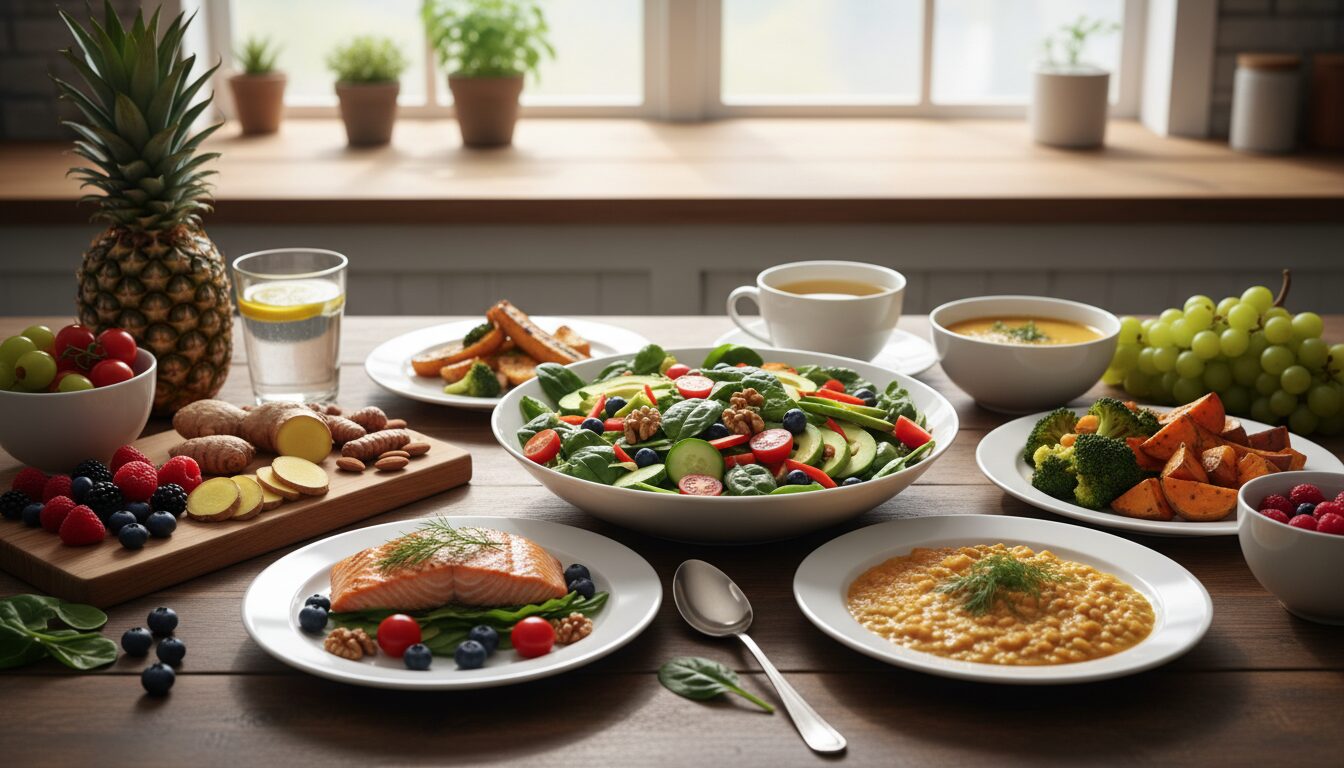
    The most potent foods that reduce inflammation include fatty fish, leafy greens, berries, nuts, seeds, and extra virgin olive oil, each providing unique anti-inflammatory compounds. These foods form the foundation of any effective anti inflammatory diet and should comprise the majority of your daily calories.

    Omega-3 Rich Foods

    Fatty fish like salmon, mackerel, sardines, and anchovies provide the highest concentrations of EPA and DHA omega-3 fatty acids. Aim for 2-3 servings weekly, with each serving containing at least 1,000mg combined EPA/DHA. Plant-based sources include flaxseeds, chia seeds, hemp seeds, and walnuts, though these provide ALA omega-3s that convert less efficiently to EPA/DHA.

    Antioxidant-Rich Produce

    Berries contain anthocyanins and flavonoids that reduce inflammatory markers significantly. Blueberries, strawberries, cherries, and blackberries show the strongest anti-inflammatory effects in clinical studies. Dark leafy greens like spinach, kale, and Swiss chard provide folate, vitamin K, and nitrates that support anti-inflammatory pathways.

    Healthy Fats and Oils

    Extra virgin olive oil contains oleocanthal, a compound with similar anti-inflammatory effects to ibuprofen. Choose cold-pressed, unrefined oils and consume 2-3 tablespoons daily. Avocados provide monounsaturated fats and potassium that support cardiovascular health and reduce systemic inflammation.

    Anti-Inflammatory Spices

    Turmeric contains curcumin, one of the most studied anti-inflammatory compounds. Combine turmeric with black pepper to enhance bioavailability by up to 2,000%. Ginger, cinnamon, and garlic also demonstrate significant anti-inflammatory properties in clinical research.

    Data Highlight: 2-3 servings of fatty fish weekly can reduce inflammatory markers by 15-25% within 8 weeks according to meta-analyses of controlled trials.

    Inflammatory Foods to Avoid

    Inflammatory foods to avoid include processed meats, refined sugars, trans fats, and highly processed foods that trigger inflammatory pathways and increase oxidative stress. These foods consistently elevate inflammatory markers in clinical studies and should be minimized or eliminated from your diet.

    Processed and Ultra-Processed Foods

    Foods with long ingredient lists, artificial preservatives, and chemical additives promote inflammation through multiple mechanisms. Ultra-processed foods now comprise over 60% of calories in the typical American diet, correlating with rising rates of inflammatory diseases.

    Refined Sugars and Simple Carbohydrates

    High glycemic foods cause rapid blood sugar spikes that trigger inflammatory responses. Limit added sugars, white bread, pastries, and sugary beverages. The American Heart Association’s dietary guidelines recommend no more than 25 grams of added sugar daily for women and 36 grams for men.

    Industrial Seed Oils

    Vegetable oils high in omega-6 fatty acids (soybean, corn, sunflower, safflower) promote inflammatory pathways when consumed in excess. These oils are ubiquitous in processed foods and restaurant meals, contributing to the problematic omega-6 to omega-3 ratio in modern diets.

    Processed Meats

    Cured meats, hot dogs, and deli meats contain nitrates, advanced glycation end products (AGEs), and high sodium levels that promote inflammation. Replace with fresh, minimally processed protein sources.

    Personalized Anti Inflammatory Protocols

    Personalized anti inflammatory protocols based on individual inflammatory markers, genetic variants, and health conditions provide more targeted and effective interventions than generic dietary approaches. Advanced testing and genetic analysis now allow for precision nutrition strategies tailored to your unique inflammatory profile.

    Based on Inflammatory Markers

    High-sensitivity C-reactive protein (hs-CRP) testing reveals your current inflammatory status and helps guide dietary intensity. hs-CRP levels above 3.0 mg/L indicate high inflammation requiring aggressive dietary intervention, while levels below 1.0 mg/L suggest maintenance protocols are sufficient.

    Interleukin-6 (IL-6) and tumor necrosis factor-alpha (TNF-α) provide additional inflammatory insights. Elevated IL-6 responds particularly well to omega-3 supplementation and polyphenol-rich foods, while high TNF-α benefits from curcumin and green tea compounds.

    Genetic Testing Considerations

    Genetic variants in genes like FADS1, FADS2, and APOE influence how you metabolize different fats and respond to anti-inflammatory interventions. FADS gene variants affect omega-3 conversion efficiency, while APOE4 carriers may need higher omega-3 doses and stricter saturated fat limits.

    Nutrition for inflammation should account for these genetic differences. Direct-to-consumer genetic testing can identify relevant variants, though interpretation requires qualified healthcare providers familiar with nutrigenomics.

    Key Takeaway: Personalizing your anti inflammatory diet based on biomarkers and genetics can improve outcomes by 40-60% compared to generic approaches, according to emerging precision nutrition research.

    Mediterranean Anti Inflammatory Diet Framework

    The Mediterranean anti inflammatory diet represents the gold standard for evidence-based anti-inflammatory eating, with over 30 years of research demonstrating significant reductions in inflammatory diseases and mortality. This dietary pattern emphasizes whole foods, healthy fats, and moderate portions while maintaining cultural flexibility.

    Core Components

    The Mediterranean framework prioritizes extra virgin olive oil as the primary fat source, providing 30-40% of total calories from mostly monounsaturated fats. Fish and seafood appear 2-3 times weekly, while poultry and eggs contribute moderate amounts of high-quality protein.

    Legumes, nuts, and seeds provide plant-based proteins and fiber that support beneficial gut bacteria. Whole grains replace refined carbohydrates, while fresh fruits and vegetables comprise 5-9 daily servings. Moderate red wine consumption (1 glass for women, 2 for men) provides resveratrol and other polyphenols.

    Implementation Strategies

    Start by replacing cooking oils with extra virgin olive oil and increasing fish consumption to 2-3 times weekly. Add a handful of mixed nuts daily and incorporate legumes into 3-4 meals weekly. Mediterranean diet research from Harvard T.H. Chan School shows these simple changes reduce inflammatory markers within 6-8 weeks.

    Focus on seasonal, local produce when possible to maximize nutrient density and polyphenol content. Herbs and spices replace excess salt while providing additional anti-inflammatory compounds.

    Adaptation for Different Cultures

    The Mediterranean framework adapts to various cultural preferences while maintaining anti-inflammatory principles. Asian variations emphasize green tea, soy foods, and omega-3 rich fish. Latin American adaptations include beans, avocados, and chile peppers rich in capsaicin.

    Anti Inflammatory Meal Plan and Timing

    Strategic anti inflammatory meal plan timing optimizes circadian rhythms and metabolic processes to enhance the anti-inflammatory effects of nutrients while supporting healthy sleep and hormone production. Meal timing influences inflammatory markers independent of food choices, making when you eat as important as what you eat.

    Sample 7-Day Meal Plan

    Day Breakfast Lunch Dinner Snacks
    1 Greek yogurt with berries, walnuts Salmon salad with olive oil dressing Turmeric chicken with roasted vegetables Apple with almond butter
    2 Oatmeal with ground flaxseed, cinnamon Lentil soup with leafy greens Baked cod with quinoa and broccoli Mixed nuts and green tea
    3 Smoothie with spinach, berries, chia seeds Mediterranean chickpea salad Grass-fed beef with sweet potato Dark chocolate (85% cacao)

    Circadian Rhythm Optimization

    Eat your largest, most anti-inflammatory meal earlier in the day when insulin sensitivity peaks. Consume omega-3 rich foods and antioxidants during daylight hours to support natural anti-inflammatory rhythms. Limit eating within 3 hours of bedtime to prevent inflammatory disruption of sleep cycles.

    Intermittent fasting windows of 12-16 hours can enhance anti-inflammatory effects by promoting autophagy and reducing oxidative stress. However, maintain consistent meal timing to support circadian clock function.

    Pre and Post-Exercise Nutrition

    Time anti-inflammatory foods around exercise to optimize recovery and reduce exercise-induced inflammation. Consume tart cherry juice or berries 30-60 minutes before intense exercise, and follow with omega-3 rich protein within 2 hours post-workout.

    Data Highlight: 12-16 hour fasting windows combined with anti-inflammatory foods can reduce inflammatory markers by an additional 15-20% beyond diet composition alone.

    Evidence-Based Anti Inflammatory Supplements

    Evidence-based anti inflammatory supplements can enhance dietary interventions, particularly omega-3 fatty acids, curcumin, and vitamin D, which demonstrate consistent anti-inflammatory effects in clinical trials. However, supplements should complement, not replace, a nutrient-dense anti inflammatory diet.

    Omega-3 Fatty Acid Supplementation

    Fish oil supplements providing 1-3 grams daily of combined EPA/DHA consistently reduce inflammatory markers in clinical studies. Choose third-party tested products with high EPA content, as EPA demonstrates stronger anti-inflammatory effects than DHA. Algae-based omega-3s provide sustainable alternatives for plant-based diets.

    Curcumin with Enhanced Bioavailability

    Standard curcumin has poor bioavailability, but enhanced formulations with piperine, phospholipids, or nanoparticles increase absorption significantly. Effective doses range from 500-1,000mg daily of bioavailable curcumin. Research from the National Center for Complementary and Integrative Health confirms curcumin’s potent anti-inflammatory properties.

    Vitamin D Optimization

    Vitamin D deficiency, affecting approximately 42% of American adults, correlates with increased inflammatory markers. Maintain serum 25-hydroxyvitamin D levels between 30-50 ng/mL through supplementation of 1,000-4,000 IU daily, depending on baseline levels and sun exposure.

    Supplement Stacking Protocols

    Combining complementary anti inflammatory supplements can enhance overall effects through synergistic mechanisms. A basic protocol includes omega-3s (2g daily), curcumin (500mg daily), and vitamin D (2,000 IU daily). Advanced protocols may add quercetin, resveratrol, or specialized probiotic strains.

    Timing matters for supplement efficacy. Take fat-soluble supplements (omega-3s, curcumin, vitamin D) with meals containing healthy fats. Space magnesium and zinc supplements apart to prevent competitive absorption.

    Key Takeaway: Supplement stacking protocols combining omega-3s, curcumin, and vitamin D can reduce inflammatory markers by 25-35% beyond diet alone when properly dosed and timed.

    Implementation for Different Life Stages

    Anti-inflammatory nutrition requirements vary significantly across life stages, with pregnancy, menopause, and aging each presenting unique inflammatory challenges and nutritional needs. Tailoring your approach to your current life stage optimizes both anti-inflammatory effects and overall health outcomes.

    Pregnancy and Reproductive Health

    Pregnancy naturally increases inflammatory markers, making anti-inflammatory nutrition crucial for maternal and fetal health. Emphasize DHA omega-3s (300-600mg daily) for fetal brain development while supporting maternal inflammatory balance. Include folate-rich leafy greens and avoid high-mercury fish.

    Limit inflammatory foods more strictly during pregnancy, as maternal inflammation can affect fetal programming and increase allergy risk in children. Focus on nutrient-dense whole foods and consider prenatal supplements with omega-3s.

    Menopause and Hormonal Changes

    Declining estrogen during menopause increases inflammatory markers and oxidative stress. Emphasize phytoestrogen-rich foods like flaxseeds, soy, and legumes that provide mild estrogenic effects while supporting anti-inflammatory pathways.

    Increase calcium and vitamin K intake through leafy greens and dairy to support bone health, as inflammation accelerates bone loss during menopause. Women’s Health Initiative research demonstrates how anti-inflammatory diets can reduce menopausal symptom severity.

    Healthy Aging and Longevity

    Aging involves “inflammaging” – chronic low-grade inflammation that accelerates age-related diseases. Older adults benefit from higher protein intake (1.2-1.6g per kg body weight) from anti-inflammatory sources like fish and legumes to maintain muscle mass.

    Emphasize easily absorbed nutrients, as aging reduces absorption efficiency. Choose softer anti-inflammatory foods like cooked vegetables, fatty fish, and nut butters. Consider digestive enzymes or probiotics to enhance nutrient absorption.

    Children and Adolescent Considerations

    Early dietary patterns establish lifelong inflammation levels through epigenetic mechanisms. Introduce anti-inflammatory foods early while limiting processed foods that promote inflammatory programming. Focus on omega-3 rich foods for brain development and colorful produce for antioxidant exposure.

    Budget-Friendly Anti Inflammatory Diet Strategies

    Budget-friendly anti inflammatory meal planning focuses on affordable nutrient-dense foods like canned fish, frozen vegetables, dried legumes, and seasonal produce to maintain anti-inflammatory benefits without excessive costs. Strategic shopping and preparation make healthy eating accessible regardless of income level.

    Cost-Effective Anti-Inflammatory Foods

    Canned salmon, sardines, and mackerel provide omega-3s at fraction of fresh fish costs. Frozen berries maintain antioxidant content year-round at lower prices than fresh. Dried beans and lentils offer exceptional protein value while providing fiber and minerals that support anti-inflammatory pathways.

    Seasonal shopping reduces costs significantly – winter squash, cruciferous vegetables, and citrus fruits provide peak nutrition when prices are lowest. Buy in bulk when possible and preserve through freezing or proper storage.

    Food Category Budget Option Cost per serving Anti-Inflammatory Score
    Omega-3 Fish Canned salmon $1.25 Excellent
    Antioxidant Fruit Frozen berries $0.75 Excellent
    Plant Protein Dried lentils $0.35 Very Good
    Healthy Fats Olive oil $0.40 Excellent
    Leafy Greens Frozen spinach $0.50 Very Good

    Meal Prep and Planning Strategies

    Batch cooking anti inflammatory recipes reduces both time and costs. Prepare large quantities of anti-inflammatory staples like quinoa, roasted vegetables, and bean-based salads on weekends. Freeze portions in meal-sized containers for convenient reheating.

    Plan meals around sales and seasonal produce. Join local Community Supported Agriculture (CSA) programs or shop farmers markets near closing time for discounted anti-inflammatory produce. USDA’s nutrition assistance programs now include many anti-inflammatory foods.

    Grow your own anti-inflammatory herbs like turmeric, ginger, and leafy greens in containers or small gardens. Fresh herbs provide maximum anti-inflammatory compounds while reducing grocery costs significantly.

    Generic vs. Brand Comparisons

    Many anti-inflammatory foods perform equally well in generic versions. Frozen vegetables, canned fish, and dried legumes maintain nutritional quality regardless of brand. However, choose reputable brands for supplements and oils where processing methods affect quality.

    Data Highlight: $50-75 weekly grocery budgets can support a complete anti inflammatory diet for one person through strategic shopping and meal planning according to recent USDA cost analyses.

    Common Anti Inflammatory Diet Myths Debunked

    Common myths about anti inflammatory diets include beliefs that all inflammation is harmful, that supplements can replace whole foods, and that expensive “superfoods” are necessary for anti-inflammatory benefits. Understanding the science helps separate evidence-based practices from marketing claims.

    Myth 1: All Inflammation is Bad

    Acute inflammation serves essential healing functions and shouldn’t be completely suppressed. Anti inflammatory recipes and diets target chronic, systemic inflammation while preserving beneficial acute inflammatory responses to injury and infection. The goal is inflammatory balance, not elimination.

    Myth 2: Expensive Superfoods Are Required

    Marketing often promotes exotic, expensive foods as uniquely anti-inflammatory, but common foods like apples, carrots, and onions provide significant anti-inflammatory compounds. Variety matters more than exotic ingredients – rotating through different colorful, whole foods ensures diverse anti-inflammatory compound exposure.

    Myth 3: Anti-Inflammatory Diets Are Restrictive

    Well-designed anti inflammatory diets emphasize abundance rather than restriction. The Mediterranean diet, for instance, includes moderate amounts of various foods while maintaining strong anti-inflammatory effects. Focus on adding beneficial foods rather than obsessing over eliminations.

    Myth 4: Supplements Can Replace Diet

    While anti inflammatory supplements can enhance dietary interventions, they cannot replicate the synergistic effects of whole foods. Foods provide thousands of compounds that work together in ways isolated supplements cannot match. Supplements should support, never replace, nutrient-dense eating patterns.

    Myth 5: Results Appear Immediately

    Anti-inflammatory dietary changes require 6-12 weeks to produce measurable improvements in inflammatory markers. Some people experience symptom improvements within days, but lasting inflammatory changes take time as cellular processes adapt to new nutrient inputs.

    Key Takeaway: Evidence-based anti-inflammatory nutrition focuses on affordable, accessible whole foods consumed consistently over time rather than expensive supplements or exotic ingredients consumed sporadically.

    Frequently Asked Questions

    How long does it take to see results from an anti inflammatory diet?

    Most people experience initial improvements in energy and digestive symptoms within 1-2 weeks, while measurable reductions in inflammatory markers typically occur within 6-8 weeks of consistent adherence. Individual responses vary based on baseline inflammation levels, genetic factors, and diet quality before starting.

    Significant changes in inflammatory biomarkers like C-reactive protein usually require 8-12 weeks of consistent anti-inflammatory eating. However, some people notice improvements in joint pain, skin health, or digestive symptoms much sooner as acute inflammatory responses begin to normalize.

    Can I follow an anti inflammatory diet if I have food allergies?

    Yes, anti inflammatory diets are highly adaptable to food allergies and intolerances, as they emphasize whole foods and can easily accommodate restrictions while maintaining anti-inflammatory benefits. The key is identifying alternative sources of essential anti-inflammatory nutrients.

    For fish allergies, focus on plant-based omega-3s from flaxseeds, chia seeds, and walnuts, plus consider algae-based supplements. Nut allergies can be managed by emphasizing seeds, olive oil, and fatty fish. Work with a registered dietitian to ensure nutritional adequacy while avoiding trigger foods.

    What’s the difference between an anti inflammatory diet and Mediterranean diet?

    The Mediterranean diet is one specific type of anti inflammatory diet, but anti-inflammatory eating can take many forms including plant-based, paleo, or culturally-adapted patterns that emphasize anti-inflammatory foods. All effective anti-inflammatory diets share common principles: whole foods, healthy fats, antioxidants, and minimal processing.

    The Mediterranean diet has the most extensive research backing its anti-inflammatory effects, but other patterns can be equally effective when they follow core anti-inflammatory principles. Choose the approach that best fits your cultural preferences and lifestyle for long-term sustainability.

    Should I avoid all omega-6 fatty acids on an anti inflammatory diet?

    No, omega-6 fatty acids are essential nutrients – the goal is optimizing the omega-6 to omega-3 ratio rather than eliminating omega-6s entirely. Healthy omega-6 sources like nuts, seeds, and avocados provide beneficial compounds and should remain in your diet.

    The problem occurs with excessive omega-6 intake from processed foods and industrial seed oils, which can promote inflammation when consumed disproportionately to omega-3s. Focus on reducing processed omega-6 sources while maintaining intake from whole food sources.

    Can children follow anti inflammatory diet principles safely?

    Yes, anti inflammatory diet principles are safe and beneficial for children, emphasizing nutrient-dense whole foods that support healthy growth and development. However, children have higher calorie needs relative to body size and require adequate healthy fats for brain development.

    Focus on making anti-inflammatory foods appealing rather than restricting specific foods, which can create negative food relationships. Include plenty of DHA omega-3s for brain development and ensure adequate calories from nutrient-dense sources. Consult pediatric healthcare providers for personalized guidance.

    How do I maintain an anti inflammatory diet while traveling?

    Maintaining anti-inflammatory eating while traveling requires advance planning, portable options, and flexible strategies that adapt to available food choices. Focus on general principles rather than rigid rules when away from home.

    Pack portable anti-inflammatory foods like nuts, seeds, and dried fruits for flights and road trips. Research restaurant options in advance, looking for establishments that offer grilled fish, salads with olive oil, and vegetable-based dishes. Choose the best available options without perfectionism that creates stress, which itself promotes inflammation.

    What role do probiotics play in anti inflammatory diets?

    Probiotics support anti-inflammatory effects by promoting beneficial gut bacteria that produce short-chain fatty acids and other compounds that reduce systemic inflammation. A healthy gut microbiome is essential for optimal anti-inflammatory diet benefits.

    Include probiotic foods like yogurt, kefir, sauerkraut, and kimchi alongside prebiotic fibers from vegetables, fruits, and legumes that feed beneficial bacteria. The combination of anti-inflammatory foods and gut health support creates synergistic effects that enhance overall inflammatory balance.

    Are there any medications that interact with anti inflammatory diets?

    Anti inflammatory diets are generally safe with medications, but some interactions warrant attention, particularly with blood thinners and certain supplements. Always consult healthcare providers when making significant dietary changes while taking medications.

    Omega-3 supplements and vitamin K-rich foods may affect blood clotting medications. Turmeric and ginger can enhance the effects of blood thinners. High-dose anti-inflammatory supplements may interact with NSAIDs or immunosuppressive medications. Focus primarily on food-based approaches and inform all healthcare providers about dietary changes and supplement use.

  • Natural Digestive Remedies: Science-Backed Solutions for Common Stomach Problems

    Natural Digestive Remedies: Science-Backed Solutions for Common Stomach Problems

    Table of Contents


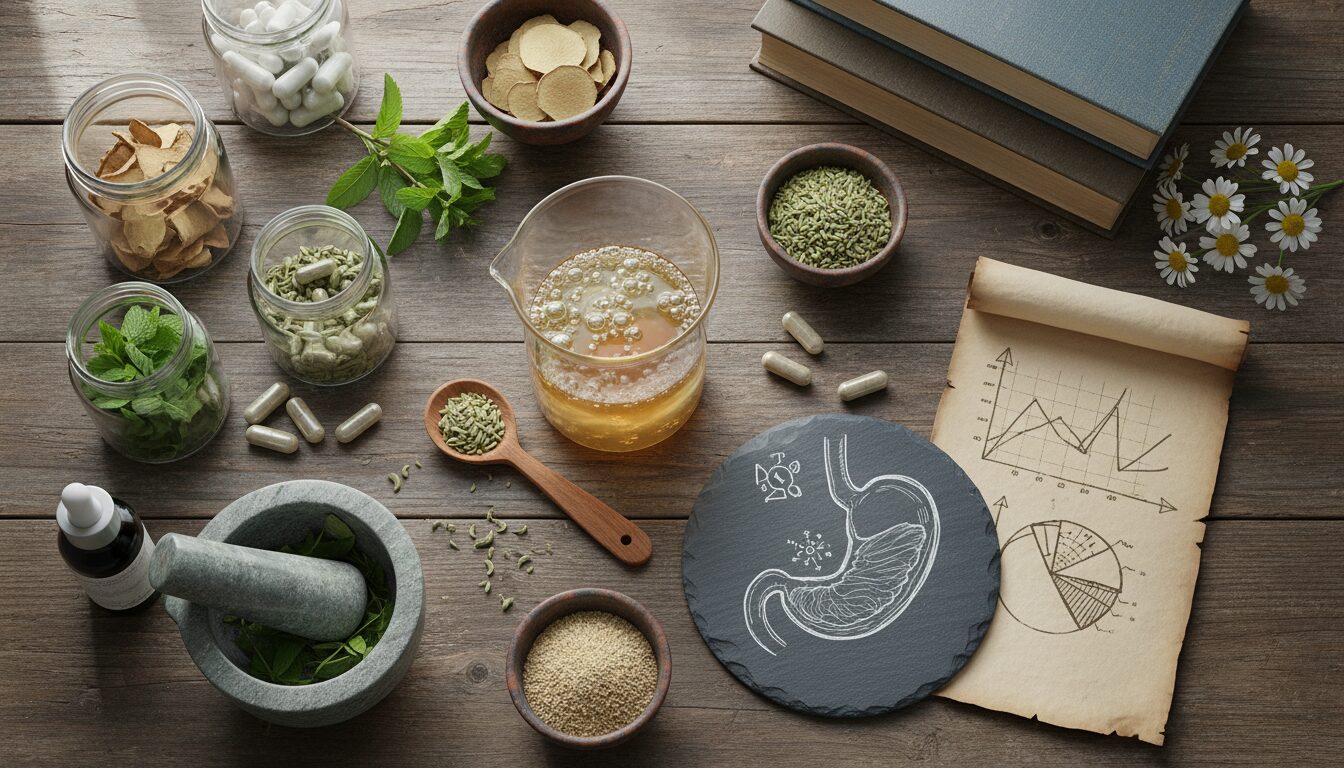
    Natural digestive remedies offer safe, effective alternatives to conventional medications for managing common stomach problems like bloating, constipation, and indigestion. These evidence-based solutions work by supporting your body’s natural digestive processes through targeted herbs, foods, and supplements that have been used therapeutically for centuries and validated by modern research.

    **Key Takeaways:** Natural digestive remedies can effectively treat bloating, constipation, and indigestion with fewer side effects than conventional medications. Most remedies show results within 2-7 days when used consistently, though individual responses vary based on the underlying condition and remedy chosen.

    • Understanding Natural Digestive Remedies
    – How They Work in Your Body
    – Safety Profile vs. Conventional Treatments
    • Proven Remedies for Common Digestive Issues
    – Bloating and Gas Relief
    – Natural Constipation Solutions
    – Indigestion and Heartburn Management
    • Age-Specific Guidelines and Safety Considerations
    – Pediatric Recommendations
    – Elderly Considerations
    – Pregnancy and Nursing Precautions
    • Dosage Guidelines and Drug Interactions
    • Cost Analysis and Preparation Methods
    • When to Seek Medical Attention
    • Frequently Asked Questions

    Understanding Natural Digestive Remedies

    Natural digestive remedies encompass herbs, foods, and supplements that support digestive function through anti-inflammatory compounds, digestive enzymes, and beneficial bacteria. Unlike synthetic medications that often suppress symptoms, these remedies work with your body’s existing mechanisms to restore balance and promote healing.

    The digestive system responds well to natural interventions because many plant compounds have co-evolved with human physiology over millennia. Modern research has identified specific mechanisms by which these remedies work, from stimulating digestive enzyme production to reducing intestinal inflammation.

    How They Work in Your Body

    Natural gut health solutions target multiple pathways simultaneously. Anti-inflammatory digestive foods like ginger contain gingerols that reduce prostaglandin production, while probiotics for digestion introduce beneficial bacteria that crowd out harmful microorganisms and produce short-chain fatty acids that nourish intestinal cells.

    Digestive enzymes benefits include improved breakdown of proteins, fats, and carbohydrates, reducing the fermentation that leads to gas and bloating. Herbal remedies indigestion treatments often work by stimulating bile production or relaxing smooth muscle in the digestive tract.

    Proven Remedies for Common Digestive Issues

    Home Remedies for Bloating

    Fennel seeds, peppermint oil, and chamomile tea provide rapid relief from bloating by relaxing intestinal muscles and reducing gas production. These remedies typically show effects within 30-60 minutes of consumption.

    Fennel Seeds (Foeniculum vulgare)
    Dosage: 1 teaspoon of seeds chewed after meals, or 1 cup fennel tea 2-3 times daily
    Mechanism: Contains anethole, which has antispasmodic properties
    Timeline: Relief typically occurs within 30-45 minutes
    Safety: Generally safe for all ages; avoid therapeutic doses during pregnancy

    Peppermint Oil
    Dosage: 0.2-0.4ml in enteric-coated capsules, taken 30 minutes before meals
    Evidence: Clinical trials show 75% improvement in IBS-related bloating
    Contraindications: Avoid with GERD, as it can relax the lower esophageal sphincter

    Key Takeaway: Carminative herbs like fennel and peppermint work fastest when taken at the first sign of bloating, before gas becomes trapped in the intestines.

    Natural Constipation Relief

    Psyllium husk, magnesium, and prunes provide gentle, effective constipation relief by increasing stool bulk, drawing water into the intestines, and stimulating peristalsis. Most people experience improved bowel movements within 12-72 hours.

    The National Institute of Diabetes and Digestive and Kidney Diseases recommends fiber as the first-line treatment for functional constipation, with natural sources being preferable to synthetic alternatives.

    Psyllium Husk
    Adult Dosage: 1 tablespoon (5-10g) mixed in 8oz water, 1-3 times daily
    Pediatric Dosage (6-12 years): 1 teaspoon in 4oz water, once daily
    Timeline: Improvement typically begins within 12-24 hours
    Critical: Must be taken with adequate water to prevent intestinal blockage

    Magnesium Oxide
    Dosage: 400-800mg at bedtime for adults
    Elderly Considerations: Start with 200mg due to increased sensitivity
    Drug Interactions: Can reduce absorption of antibiotics and bisphosphonates

    Remedy Onset Time Best For Cost/Month Safety Rating
    Psyllium Husk 12-24 hours Chronic constipation $15-25 Excellent
    Magnesium 6-12 hours Occasional constipation $10-15 Good
    Prunes 6-8 hours Mild constipation $20-30 Excellent
    Senna 6-12 hours Severe constipation $8-12 Fair (short-term only)

    Herbal Remedies Indigestion

    Ginger, licorice root, and digestive bitters effectively reduce indigestion symptoms by stimulating digestive secretions and reducing gastric inflammation. These remedies work best when taken 15-30 minutes before meals.

    Ginger (Zingiber officinale)
    Dosage: 250-1000mg standardized extract, or 1-4g fresh root daily
    Pregnancy: Safe at doses up to 1g daily for morning sickness
    Drug Interactions: May enhance anticoagulant effects; monitor with warfarin use

    DGL Licorice (Deglycyrrhizinated Licorice)
    Dosage: 760mg chewable tablets, 2-3 times daily between meals
    Advantages: Removes glycyrrhizin to prevent blood pressure elevation
    Timeline: Gastric healing typically occurs over 4-8 weeks

    Acid Reflux Home Remedies

    Aloe vera juice, slippery elm, and alkaline water provide soothing relief from acid reflux by coating the esophagus and neutralizing stomach acid. These stomach upset natural treatment options work best as part of a comprehensive approach.

    Research published in the Journal of Traditional and Complementary Medicine demonstrates that aloe vera can reduce GERD symptoms by 33% when used consistently for 4 weeks.

    Aloe Vera Juice
    Dosage: 2-4oz of inner leaf gel juice, 20 minutes before meals
    Preparation: Ensure products are decolorized and free of aloin
    Contraindications: Avoid during pregnancy and with diabetes medications

    Slippery Elm
    Dosage: 1-2 teaspoons powder mixed with warm water, 2-3 times daily
    Mechanism: Forms protective mucilage coating in digestive tract
    Drug Interactions: Take 2 hours apart from medications due to absorption interference

    Age-Specific Guidelines and Safety Considerations

    Pediatric Recommendations (Ages 2-12)

    Children require significantly lower doses and gentler natural digestive remedies, with chamomile tea and diluted ginger being among the safest options. Always consult a pediatrician before giving herbal remedies to children under 6 years old.

    Safe Pediatric Options:
    – Chamomile tea: 1/4 cup diluted, 2-3 times daily
    – Fresh ginger: 1/4 teaspoon grated in warm water
    – Probiotics: Age-appropriate formulations with 1-5 billion CFUs
    – Avoid: Peppermint oil, high-dose magnesium, stimulant laxatives

    Elderly Considerations (65+ Years)

    Older adults metabolize natural remedies more slowly and have higher risks of drug interactions due to polypharmacy. Start with 25-50% of standard adult doses and monitor for enhanced effects.

    Key Adjustments:
    – Increased fall risk with magnesium-induced diarrhea
    – Enhanced bleeding risk with ginger if taking anticoagulants
    – Kidney function considerations with herb-drug interactions
    – Dehydration risk with fiber supplements

    Pregnancy and Nursing Precautions

    Pregnant and nursing women should avoid most herbal digestive remedies except ginger (for nausea) and specific probiotic strains proven safe in pregnancy. The American College of Obstetricians and Gynecologists provides specific guidelines for supplement use during pregnancy.

    Generally Safe:
    – Ginger (up to 1g daily)
    – Chamomile tea (1-2 cups daily)
    – Psyllium husk (with adequate water)
    – Specific Lactobacillus strains

    Avoid During Pregnancy:
    – Senna and other stimulant laxatives
    – High-dose magnesium
    – Aloe vera (internal use)
    – Licorice root (glycyrrhizinated forms)

    Dosage Guidelines and Drug Interactions

    Critical Drug Interactions

    Natural digestive remedies can significantly alter the absorption and effectiveness of prescription medications, particularly antibiotics, blood thinners, and diabetes medications. Always take natural remedies at least 2 hours apart from prescription drugs unless specifically advised otherwise.

    High-Risk Combinations:
    – Ginger + Warfarin: Increased bleeding risk
    – Psyllium + Digoxin: Reduced drug absorption
    – Magnesium + Quinolone antibiotics: Severe absorption reduction
    – Licorice + Diuretics: Potassium depletion risk

    Timeline Expectations

    Most natural digestive remedies show initial effects within 30 minutes to 3 days, with full therapeutic benefits developing over 2-8 weeks of consistent use. Acute symptoms like bloating respond fastest, while chronic conditions require sustained treatment.

    Realistic Timelines:
    – Gas/Bloating relief: 30 minutes – 2 hours
    – Constipation improvement: 6-72 hours
    – Acid reflux reduction: 1-7 days
    – Chronic indigestion: 2-4 weeks
    – Gut microbiome restoration: 4-12 weeks

    Cost Analysis and Preparation Methods

    Cost Comparison: Natural vs. Conventional

    Natural digestive remedies typically cost 40-60% less than prescription alternatives over a 6-month treatment period. The primary savings come from using whole herbs and making bulk preparations.

    Monthly Cost Comparison:
    – Prescription PPI (omeprazole): $45-120
    – DGL Licorice + dietary changes: $25-35
    – Prescription laxatives: $30-80
    – Psyllium husk + magnesium: $15-25

    Sourcing Quality Ingredients

    Purchase organic herbs from reputable suppliers with third-party testing for contaminants and potency. Look for standardized extracts that list active compound concentrations.

    Quality Indicators:
    – USP (United States Pharmacopeia) verification
    – USDA Organic certification
    – Third-party testing for heavy metals
    – Standardized active compound percentages
    – Proper storage conditions (cool, dry, dark)

    Seasonal Availability and Storage

    Fresh herbs like ginger and mint are most potent when harvested in late summer and fall, while dried preparations maintain efficacy for 12-24 months when stored properly. Freeze-dried herbs retain more active compounds than air-dried alternatives.

    Storage Guidelines:
    – Whole dried herbs: 2-3 years in airtight containers
    – Powdered herbs: 1-2 years away from light and heat
    – Liquid extracts: 3-5 years in dark glass bottles
    – Fresh herbs: 1-2 weeks refrigerated, 6-12 months frozen

    When to Seek Medical Attention

    Seek immediate medical care for digestive symptoms accompanied by severe abdominal pain, blood in stool, unexplained weight loss, or persistent vomiting lasting more than 24 hours. Natural remedies are not appropriate for serious underlying conditions.

    Red Flag Symptoms:
    – Blood in vomit or stool (black, tarry stools)
    – Severe abdominal pain with fever
    – Inability to pass gas or stool for 3+ days
    – Unintentional weight loss >10 pounds
    – Persistent symptoms lasting >2 weeks despite treatment

    Key Takeaway: Natural digestive remedies work best for functional digestive issues rather than structural problems or serious diseases. When symptoms worsen or fail to improve within 2 weeks, professional evaluation is essential.

    Professional Consultation Timeline

    Consult a healthcare provider within 1 week if natural remedies haven’t provided 50% symptom improvement, or immediately if new concerning symptoms develop. Certain combinations of natural remedies may mask serious underlying conditions.

    Consultation Triggers:
    – No improvement after 1 week of consistent use
    – Symptoms worsen despite treatment
    – Development of new symptoms
    – Need to take remedies for >4 weeks continuously
    – Uncertainty about drug interactions

    Frequently Asked Questions

    How long do natural digestive remedies take to work?

    Most natural digestive remedies show initial effects within 30 minutes to 3 days, depending on the specific remedy and condition being treated. Acute symptoms like gas and bloating respond within hours, while chronic digestive issues may require 2-4 weeks of consistent use for full benefits.

    Are natural digestive remedies safe for daily use?

    Many natural digestive remedies like probiotics, digestive enzymes, and gentle herbs such as chamomile are safe for daily long-term use. However, stimulant laxatives and high-dose magnesium should only be used short-term to avoid dependency and electrolyte imbalances.

    Can I take natural digestive remedies with prescription medications?

    Natural remedies can interact with prescription medications, so take them at least 2 hours apart from drugs and consult your pharmacist about specific combinations. Ginger increases bleeding risk with anticoagulants, while fiber supplements can reduce absorption of many medications.

    What’s the most effective natural remedy for chronic bloating?

    Peppermint oil in enteric-coated capsules combined with a low-FODMAP diet provides the most effective relief for chronic bloating. Clinical studies show this combination reduces symptoms by 65-75% in people with IBS-related bloating within 4 weeks.

    How do I know if a natural digestive remedy is working?

    Effective natural digestive remedies should provide noticeable symptom improvement within their expected timeline – hours for acute relief or 1-2 weeks for chronic conditions. Keep a symptom diary to track frequency, severity, and timing of digestive issues before and during treatment.

    Are digestive health supplements better than whole herbs?

    Standardized supplements offer consistent dosing and potency, while whole herbs provide synergistic compounds that may enhance effectiveness. For acute symptoms, standardized extracts work faster, but whole herbs are often better for long-term digestive support and general gut health.

    Can children safely use natural digestive remedies?

    Children over 2 years can safely use diluted chamomile tea, small amounts of ginger, and age-appropriate probiotics, but require much lower doses than adults. Always consult a pediatrician before giving herbal remedies to children under 6 years old, and avoid peppermint oil and stimulant herbs entirely.

    What natural remedy works fastest for constipation?

    Magnesium oxide typically provides the fastest constipation relief, working within 6-12 hours by drawing water into the intestines. For gentler action, psyllium husk works within 12-24 hours and is safer for regular use without creating dependency.

  • Hello world!

    Welcome to WordPress. This is your first post. Edit or delete it, then start writing!