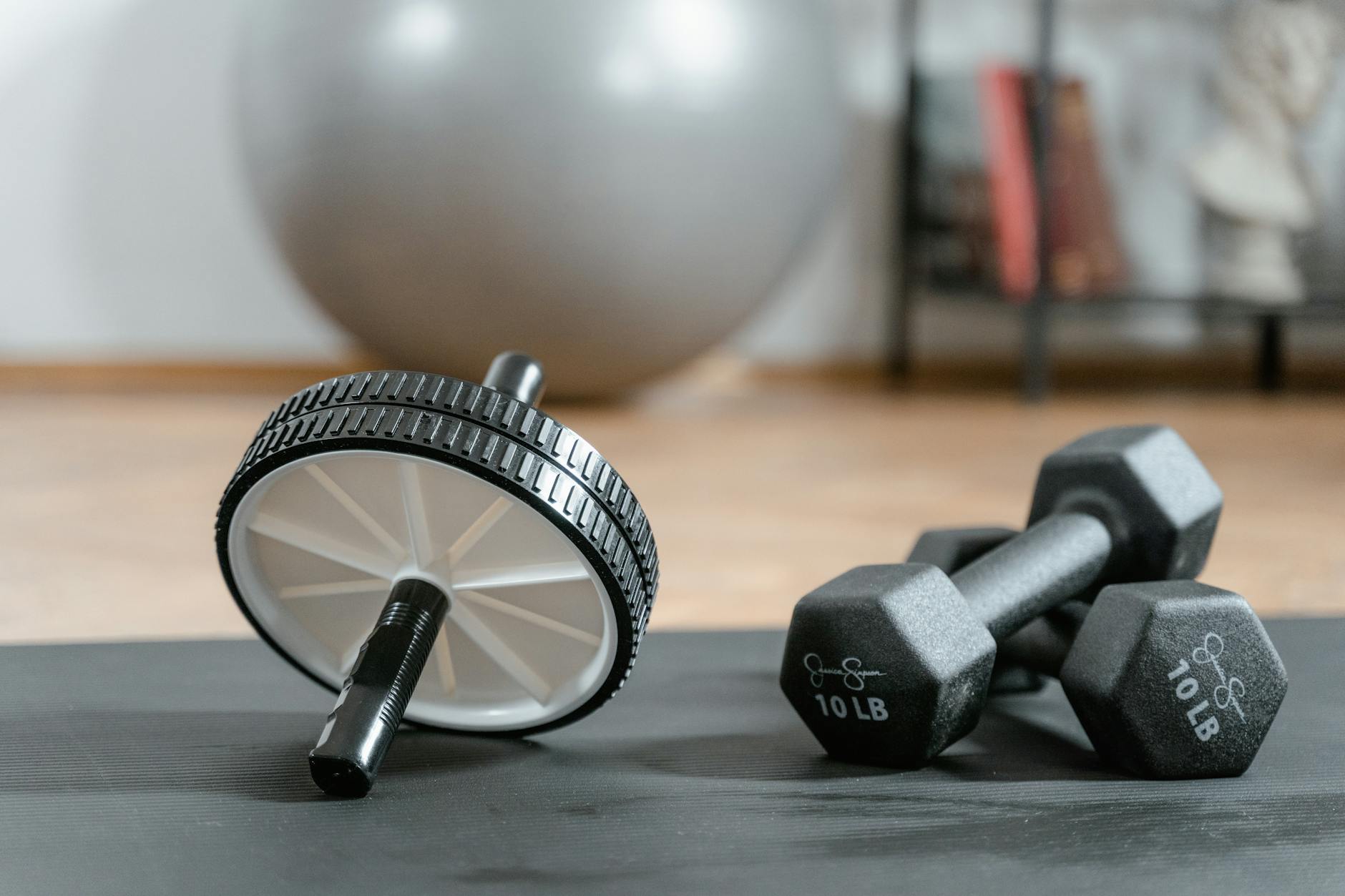
Building a home gym doesn’t require breaking the bank or filling your space with expensive equipment. In 2026, more people than ever are discovering that a well-planned, budget-friendly home gym can deliver exceptional fitness results while promoting sustainability. This comprehensive guide will help you create a functional, eco-conscious workout space that fits your budget and lifestyle.
Why Build a Home Gym in 2026?
The fitness landscape has transformed dramatically. With flexible work arrangements becoming the norm and environmental consciousness at an all-time high, home gyms have evolved from a temporary trend to a permanent lifestyle choice. A sustainable home gym aligns with 2026’s fitness priorities: convenience, cost-effectiveness, and environmental responsibility.
Building a home gym saves money on gym memberships—the average gym membership costs $50-100 monthly—while eliminating commute time and travel emissions. You’ll also have complete control over your workout environment, from music selection to temperature control.
Start with Your Space Assessment
Evaluate Your Available Space
Before purchasing anything, honestly assess your available space. You don’t need a dedicated room; a corner of your bedroom, garage, or living room works perfectly. Measure your space and consider ceiling height, floor stability, and ventilation. In 2026, many people are utilizing compact spaces creatively, using vertical storage and multi-functional equipment.
Plan Your Layout
A well-organized layout maximizes your space and safety. Dedicate zones for cardio, strength training, and stretching. Ensure adequate clearance around equipment for movement and safety. Many fitness experts in 2026 recommend leaving at least 2-3 feet of space around your workout area.
Essential Budget-Friendly Equipment
Resistance Bands and Loops
Resistance bands are the MVP of budget home gyms. These versatile tools cost $10-30 per set and provide full-body workout capabilities. In 2026, eco-conscious brands offer bands made from recycled materials, combining affordability with sustainability. They’re perfect for strength training, rehabilitation, and mobility work.
Dumbbells and Adjustable Weights
Adjustable dumbbells represent excellent value in 2026. A single adjustable dumbbell set costs $100-200 but replaces 10+ traditional dumbbells. Look for secondhand options on marketplace platforms—many people purchased equipment during pandemic lockdowns and now seek to rehome them sustainably.
Yoga Mat and Foam Roller
A quality yoga mat ($20-40) serves multiple purposes: floor exercises, stretching, and meditation. Foam rollers ($15-30) aid recovery and muscle activation. Choose eco-friendly options made from sustainable materials like natural rubber or cork, which have become increasingly affordable in 2026.
Pull-Up Bar
A doorway pull-up bar ($25-50) requires no installation and provides excellent upper body training. It’s one of the most cost-effective tools for strength building and takes minimal space.
Kettlebell
A single kettlebell ($20-40) enables explosive training and functional strength work. Start with one weight and add more as your strength increases. Many fitness professionals in 2026 recommend kettlebells as the single most versatile piece of equipment.
Budget-Stretching Strategies
Buy Secondhand and Refurbished
In 2026, the secondhand fitness equipment market is robust. Facebook Marketplace, Craigslist, and specialized fitness resale platforms offer quality equipment at 50-70% discounts. Buying secondhand is also inherently sustainable, reducing landfill waste and manufacturing emissions.
Utilize Bodyweight Exercises
The most affordable equipment is your body. Push-ups, squats, lunges, planks, and burpees provide comprehensive training without any investment. Bodyweight training remains a cornerstone of effective fitness in 2026, with many trainers emphasizing its accessibility and effectiveness.
DIY Solutions
Creativity stretches budgets further. Fill a backpack with books for weighted exercises, use stairs for cardio, or create a sandbag from a durable bag and sand ($5-10). Water bottles serve as light weights, and furniture can support various exercises.
Take Advantage of Free Resources
YouTube, fitness apps, and online communities offer thousands of free workout programs. Many certified trainers share quality content, making professional guidance accessible without subscription costs.
Creating Sustainability Into Your Setup
Choose Eco-Friendly Materials
When purchasing equipment, prioritize brands using sustainable materials. In 2026, many manufacturers offer yoga mats from natural rubber, resistance bands from recycled materials, and weights from reclaimed metals. These options often cost similarly to conventional alternatives.
Minimize Energy Consumption
Unlike commercial gyms, home gyms require minimal electricity. Use natural lighting when possible and avoid powered equipment initially. If you eventually add equipment like treadmills, choose energy-efficient models with standby modes.
Plan for Longevity
Invest in durable equipment over trendy options. Quality dumbbells last decades, while resistance bands from reputable manufacturers withstand years of use. This approach saves money long-term while reducing waste.
Building Your Routine on a Budget
Start Simple
Begin with basic equipment and master fundamental movements. Proper form with simple tools beats poor form with expensive equipment. Many effective 2026 fitness programs use minimal equipment.
Progress Gradually
Add equipment as you advance. This approach spreads costs over time and ensures you actually use each piece before investing further.
Combine Training Methods
Mix resistance training, bodyweight work, cardio, and flexibility training. This variety prevents boredom, reduces injury risk, and maximizes results without requiring specialized equipment.
Budget Breakdown for 2026
A complete beginner home gym can be established for $150-300:
– Resistance bands: $20-30
– Adjustable dumbbells (secondhand): $50-100
– Yoga mat: $20-30
– Pull-up bar: $30-40
– Kettlebell: $20-40
– Miscellaneous (water bottles, towel): $10-20
This investment delivers equipment for comprehensive training and typically pays for itself within 2-3 months compared to gym membership costs.
Conclusion
Building a sustainable, budget-friendly home gym in 2026 is entirely achievable. By strategically selecting multi-functional equipment, utilizing secondhand options, and incorporating bodyweight training, you’ll create an effective workout space that respects both your budget and the environment. Start small, focus on consistency, and expand gradually as your fitness journey progresses. Your home gym will provide convenient, affordable, sustainable fitness for years to come.
Sources and Further Reading
Frequently Asked Questions
What is How to Build a Sustainable Home Gym on a?
How to Build a Sustainable Home Gym on a refers to a set of concepts and practices relevant to health. Understanding the fundamentals helps you apply these techniques effectively in real-world situations.
Who benefits most from How to Build a Sustainable Home Gym on a?
Anyone working in or interested in health can benefit. Beginners gain foundational knowledge, while experienced practitioners find actionable guidance for common challenges.
What are the key steps to get started with How to Build a Sustainable Home Gym on a?
Start by understanding the core principles, then apply them incrementally. Focus on measurable outcomes and iterate based on what you observe in practice.