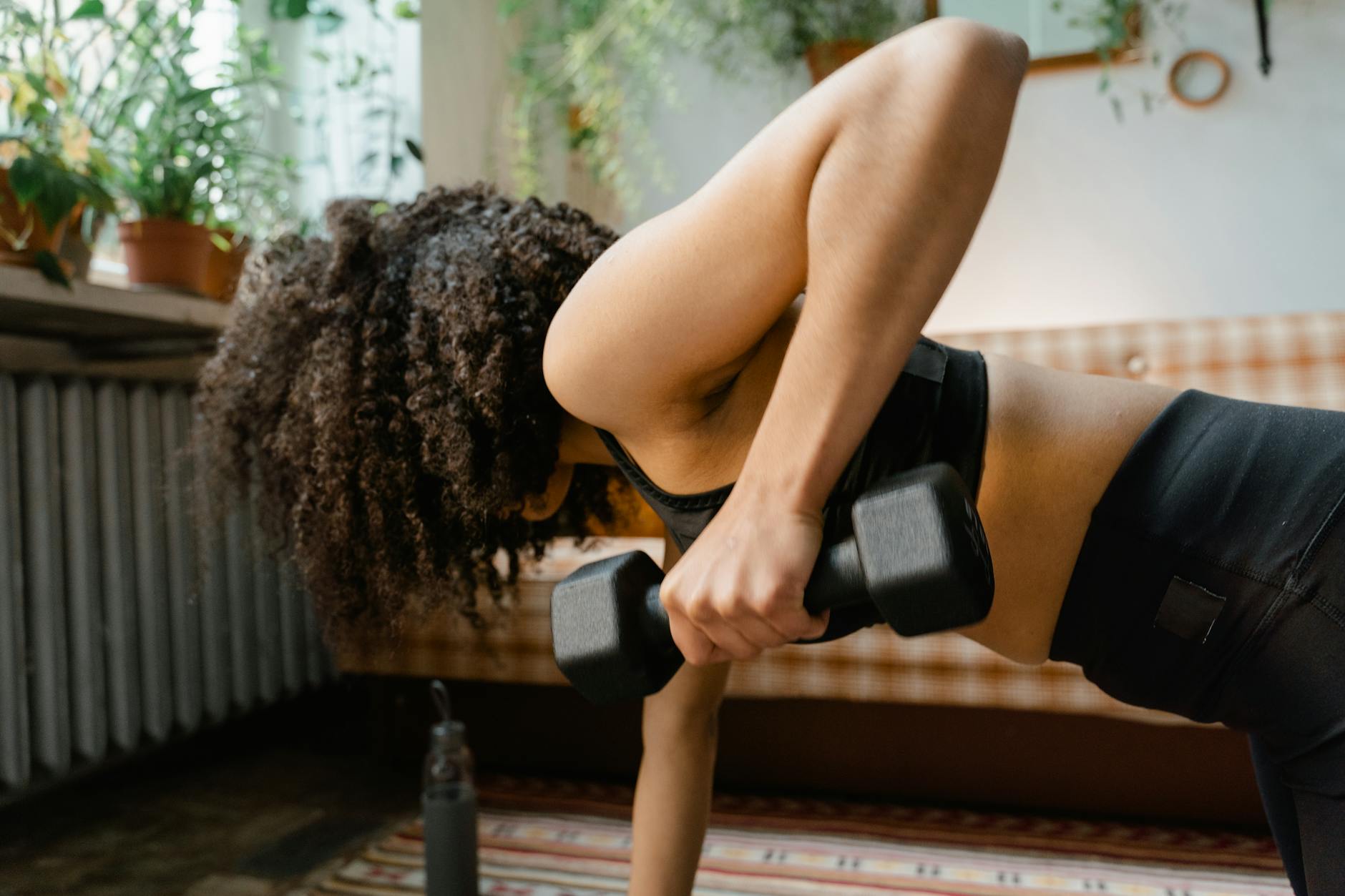
In 2026, the fitness landscape has evolved dramatically. Gone are the days when a one-size-fits-all gym membership was considered the gold standard. Today’s health-conscious individuals understand that sustainable fitness isn’t about perfection—it’s about creating routines that seamlessly integrate into your unique lifestyle. Whether you’re juggling remote work, managing family responsibilities, or navigating the demands of modern life, building a fitness routine that actually sticks requires strategy, flexibility, and realistic expectations.
Understanding the 2026 Fitness Reality
As we navigate 2026, fitness trends reflect our evolving priorities. Recent wellness data shows that 73% of fitness enthusiasts prioritize flexibility and convenience over intensity. The rise of hybrid fitness solutions—combining at-home workouts, AI-powered personal training, and community-based activities—has transformed how people approach their health goals.
The key to sustainable fitness in 2026 is abandoning the “all-or-nothing” mentality. Instead of committing to two-hour gym sessions you’ll eventually abandon, successful individuals are building routines around their actual lives, not imaginary versions of themselves.
Assess Your Current Lifestyle Honestly
Time Availability
Before designing your fitness routine, conduct an honest audit of your schedule. In 2026, many professionals work hybrid schedules, which creates unique opportunities and challenges. Track your typical week for seven days, noting when you genuinely have 30-45 minutes of uninterrupted time.
Don’t overestimate your availability. If you consistently wake up late on weekends, morning workout classes probably won’t work. If your evenings are packed with commitments, don’t pretend they’ll suddenly open up.
Energy Levels and Preferences
Your circadian rhythm matters. Some people are energized by morning workouts, while others hit their stride in the afternoon or evening. In 2026, with flexible work arrangements becoming more common, you have unprecedented freedom to choose your optimal workout window.
Equally important is understanding what type of movement actually appeals to you. Do you enjoy social group fitness, or do you prefer solo workouts? Are you motivated by competition, or does it stress you out? Your preferences aren’t character flaws—they’re data points that should inform your routine design.
Financial Constraints
Sustainability includes financial sustainability. Expensive memberships you can’t afford create stress and guilt. In 2026, quality fitness options exist at every price point: free YouTube workouts, affordable app-based training, community programs, and premium facilities. Choose what fits your budget without creating financial strain.
Design Your Personalized Fitness Framework
Start with Minimum Viable Fitness
Instead of creating an ambitious plan you’ll abandon by February, establish your “minimum viable fitness” baseline. This is the absolute least you can commit to consistently—perhaps three 30-minute sessions weekly, or daily 15-minute walks.
Research from 2026 fitness psychology shows that consistency beats intensity for long-term health outcomes. A modest routine you maintain for years delivers more benefits than an intense program you quit after two months.
Incorporate Movement Variety
Sustainable fitness routines include different types of movement:
Cardiovascular Activity: Walking, cycling, swimming, or dancing. In 2026, wearable technology makes tracking cardiovascular activity easier than ever, providing motivation through data.
Strength Training: This doesn’t require expensive equipment. Bodyweight exercises, resistance bands, or kettlebells provide excellent results. Just 2-3 sessions weekly significantly impacts long-term health.
Flexibility and Mobility: Yoga, stretching, or tai chi improve quality of life and reduce injury risk. These practices pair well with busy schedules since they can be done at home.
Active Recovery: Walking, gentle stretching, or leisure activities count as movement. In 2026, fitness professionals increasingly recognize that recovery is as important as intensity.
Leverage 2026 Technology and Tools
Modern fitness technology makes consistency easier:
Fitness Apps: Platforms offering workout libraries, progress tracking, and community support eliminate the excuse of not knowing what to do. Many offer personalized recommendations based on your goals and available time.
Wearable Devices: Smartwatches and fitness trackers provide real-time feedback on activity, heart rate, and sleep—all crucial for sustainable training.
Virtual Training: Live or on-demand classes from home trainers provide expert guidance without commute time. In 2026, the quality of virtual fitness instruction rivals in-person training.
AI-Powered Coaching: Intelligent systems adapt workouts based on your performance, recovery status, and schedule changes.
Build Accountability and Community
Sustainability increases dramatically with social support. In 2026, accountability takes many forms:
- Workout partners: Finding someone with similar goals creates mutual accountability
- Online communities: Virtual fitness groups provide support and motivation
- Fitness apps with social features: Sharing progress with friends gamifies the experience
- Group classes: Whether in-person or virtual, classes create structure and community
Choose accountability methods that feel natural to you. Some people thrive with public accountability, while others prefer private support systems.
Address Common Obstacles Proactively
Scheduling Conflicts
Life happens. In 2026, flexibility is essential. Have backup workout options: if you miss your morning run, can you do a 20-minute evening session? If you can’t make your weekly class, do you have an at-home alternative?
Motivation Fluctuations
Motivation naturally ebbs and flows. Build systems that work during low-motivation periods. This might mean pre-scheduled workouts, automated reminders, or commitment to friends.
Progress Plateaus
After 4-6 weeks, your body adapts. Prevent boredom by planning strategic variations: changing exercises, adjusting intensity, or trying new activities.
Create Your 2026 Sustainability Plan
Document your personalized approach:
- Your minimum commitment: The non-negotiable baseline
- Preferred activities: What you actually enjoy
- Optimal timing: When you’ll realistically exercise
- Accountability system: How you’ll stay consistent
- Backup options: Plans for obstacles
- Progress metrics: How you’ll measure success beyond the scale
- Review schedule: When you’ll assess and adjust
The Bottom Line for 2026
Building a sustainable fitness routine requires honest self-assessment, realistic planning, and willingness to adapt. The best routine is the one you’ll actually follow. In 2026, with unprecedented flexibility in work arrangements, access to technology, and variety of fitness options, there’s truly something for everyone.
Start small, stay consistent, and remember that sustainable fitness is a marathon, not a sprint. Your 2026 fitness routine should support your life, not complicate it. When exercise feels like a natural part of your day rather than another obligation, you’ve found your sustainable solution.
Further Reading
- NIH Office of Dietary Supplements
- CDC Health Statistics
- PubMed Central Research
- Mayo Clinic Patient Resources
Frequently Asked Questions
- What is the most important thing to know about sustainable fitness routine that actually works?
- Understanding the core principles is essential. Research consistently shows that evidence-based approaches, combined with consistency and proper guidance, produce the best outcomes. Always consult qualified professionals for personalized advice.
- How long does it typically take to see results with sustainable fitness routine that actually works?
- Results vary based on individual factors, but most people report noticeable improvements within 4–12 weeks of consistent effort. Starting with achievable goals and tracking progress helps maintain motivation and measure success effectively.
- Are there any common mistakes to avoid with sustainable fitness routine that actually works?
- The most common mistake is expecting rapid results without building sustainable habits. Experts recommend starting gradually, staying consistent, and prioritizing quality over quantity to achieve lasting improvements.