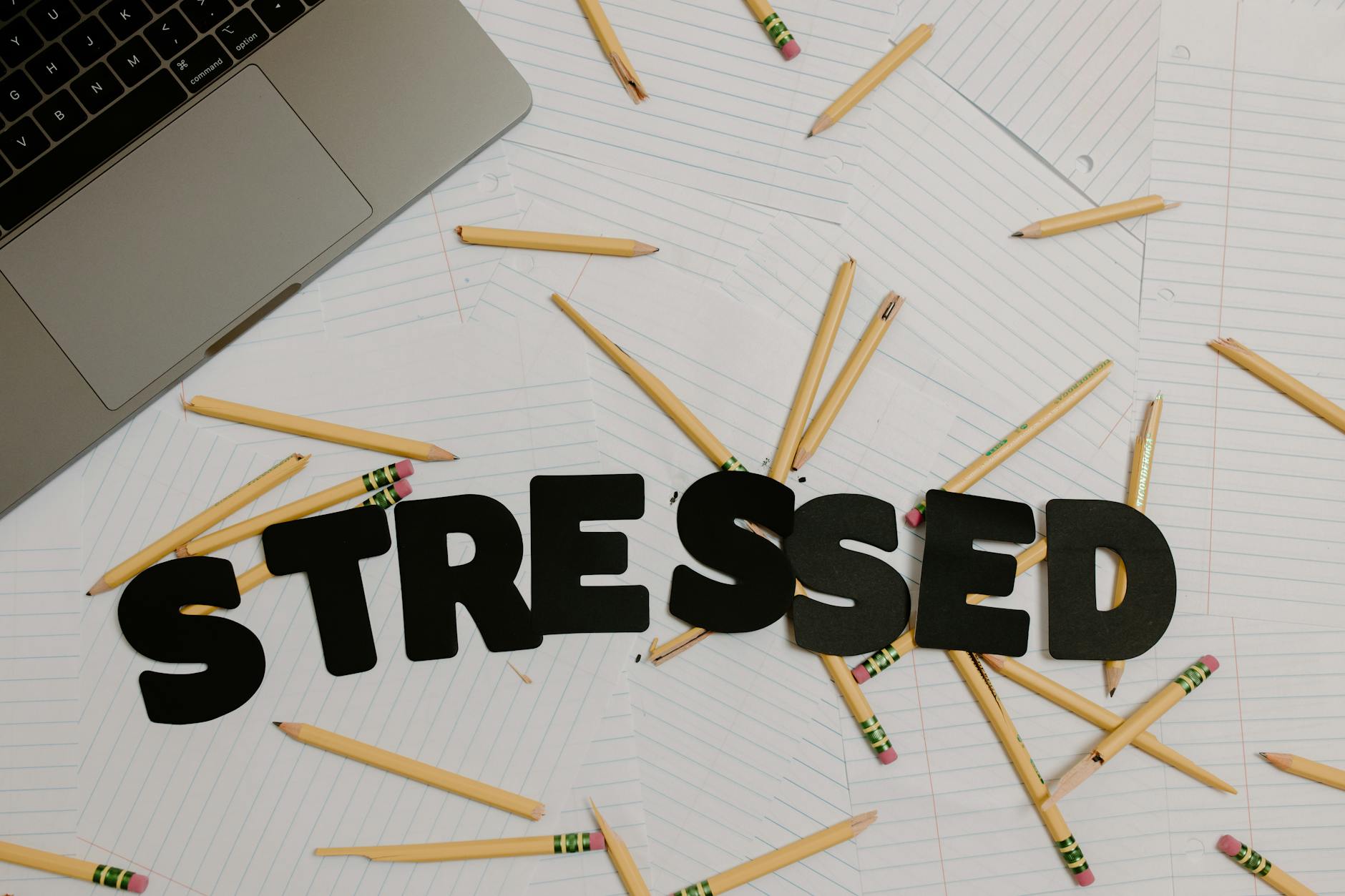
Stress has become an unavoidable part of modern life in 2026. Between demanding work schedules, social media pressures, and global uncertainties, millions of people struggle with anxiety and chronic stress daily. However, the good news is that effective stress management techniques are more accessible than ever before. This comprehensive guide explores evidence-based strategies that genuinely work in today’s fast-paced world.
Understanding Stress in 2026
Before diving into solutions, it’s crucial to understand what stress really is. Stress is your body’s natural response to demands or threats, triggering a cascade of physiological changes. In 2026, stress triggers have evolved significantly. Remote work challenges, digital overwhelm, and constant connectivity have created new forms of psychological pressure that previous generations never experienced.
Research from 2026 shows that approximately 77% of adults report experiencing stress regularly, with workplace stress and health concerns topping the list. Understanding your personal stress triggers is the first step toward effective management.
## Proven Stress Management Techniques
Mindfulness Meditation and Breathwork
Mindfulness meditation remains one of the most scientifically validated stress reduction techniques available in 2026. Unlike popular misconceptions, you don’t need to meditate for hours. Even five to ten minutes daily can significantly reduce cortisol levels and anxiety.
The 4-7-8 breathing technique is particularly effective for immediate stress relief. Simply inhale for four counts, hold for seven counts, and exhale for eight counts. This activates your parasympathetic nervous system, signaling your body to relax. Apps like Calm and Headspace have made guided meditation more accessible than ever, with 2026 versions offering AI-personalized sessions based on your stress patterns.
Physical Exercise and Movement
Exercise remains a cornerstone of stress management in 2026. When you exercise, your body releases endorphins—natural mood elevators that counteract stress hormones. You don’t need intense gym sessions; even 30 minutes of moderate activity like brisk walking, yoga, or cycling can produce measurable stress reduction.
The beauty of 2026 fitness technology is its personalization. Wearable devices now track stress levels in real-time and suggest optimal exercise timing. Virtual reality fitness classes have also revolutionized home workouts, making them more engaging and effective for stress relief.
Cognitive Behavioral Techniques
Cognitive Behavioral Therapy (CBT) principles are increasingly accessible through digital platforms in 2026. This approach involves identifying negative thought patterns and replacing them with more rational, constructive thinking.
When you notice catastrophic thinking—jumping to worst-case scenarios—pause and challenge these thoughts. Ask yourself: What’s the evidence? What would I tell a friend? This simple reframing technique can interrupt the stress cycle before it escalates.
Digital Detox and Boundary Setting
In 2026, constant digital connectivity is a major stress source. Setting boundaries with technology is crucial. Designate specific times for checking emails and social media rather than responding reactively throughout the day.
Consider implementing a “digital sunset” at least one hour before bedtime. The blue light from screens suppresses melatonin production, disrupting sleep quality. Improved sleep directly reduces stress levels, creating a positive feedback loop.
Social Connection and Support Networks
Human connection is a powerful stress buffer. In 2026, despite advanced technology, meaningful relationships remain essential for mental health. Regular interaction with friends, family, or support groups provides emotional validation and practical perspective.
If you’re isolated, online communities dedicated to stress management and wellness can provide valuable support. However, balance digital connection with face-to-face interactions whenever possible.
Nutrition and Hydration
What you eat directly impacts stress levels. In 2026, nutritional science has confirmed that certain foods support stress resilience. Omega-3 fatty acids, found in fish and walnuts, reduce inflammation linked to stress. Complex carbohydrates stabilize blood sugar, preventing mood swings.
Avoid excessive caffeine and sugar, which can amplify anxiety. Instead, stay hydrated—dehydration impairs cognitive function and increases stress perception. Herbal teas like chamomile and passionflower have mild anxiolytic properties.
Time Management and Prioritization
Feeling overwhelmed often stems from poor time management. In 2026, productivity tools are more sophisticated than ever. Use time-blocking techniques to structure your day, focusing on high-priority tasks during peak energy hours.
The “two-minute rule” is particularly effective: if a task takes less than two minutes, do it immediately rather than letting it accumulate on your mental to-do list. This reduces cognitive load and stress.
## Creating Your Personalized Stress Management Plan
Assess Your Current Situation
Begin by identifying your primary stress sources and how they manifest physically and emotionally. Do you experience tension headaches, insomnia, or digestive issues? Understanding your stress signature helps you select the most effective interventions.
Start Small and Build Momentum
Don’t try implementing everything simultaneously. Choose one or two techniques that resonate with you and practice consistently for two weeks before adding others. This builds sustainable habits rather than overwhelming yourself.
Track Your Progress
In 2026, numerous apps help track stress levels, mood, and the effectiveness of your interventions. Data-driven insights reveal which techniques work best for you personally, allowing continuous optimization.
Seek Professional Support When Needed
If stress significantly impacts your daily functioning, don’t hesitate to consult a therapist or counselor. Telehealth options make professional support more accessible than ever in 2026.
## Conclusion
Stress management isn’t about eliminating all stress—some stress is normal and even beneficial. Rather, it’s about developing resilience and employing techniques that help you navigate life’s challenges effectively. In 2026, with unprecedented access to evidence-based strategies and supportive technology, you have more tools than ever to manage stress successfully.
Start today by choosing one technique that appeals to you. Consistency matters more than perfection. By implementing these practical approaches, you’ll likely notice improvements in your mood, energy, sleep quality, and overall well-being within weeks. Your mental health is worth the investment.
Sources and Further Reading
Frequently Asked Questions
What is Stress Management Techniques That Actual?
Stress Management Techniques That Actual refers to a set of concepts and practices relevant to health. Understanding the fundamentals helps you apply these techniques effectively in real-world situations.
Who benefits most from Stress Management Techniques That Actual?
Anyone working in or interested in health can benefit. Beginners gain foundational knowledge, while experienced practitioners find actionable guidance for common challenges.
What are the key steps to get started with Stress Management Techniques That Actual?
Start by understanding the core principles, then apply them incrementally. Focus on measurable outcomes and iterate based on what you observe in practice.