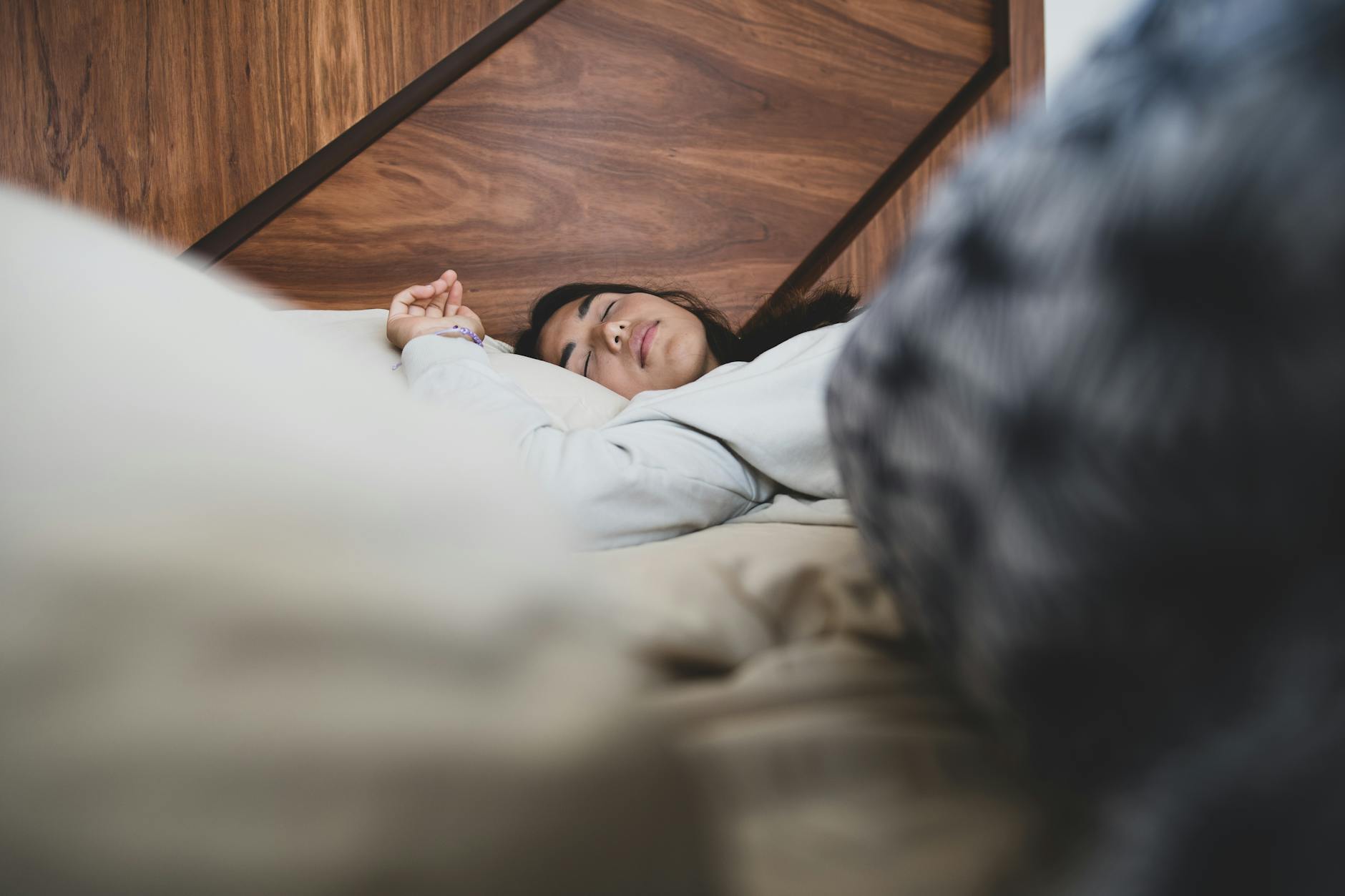
In 2026, sleep quality has become more critical than ever as we navigate an increasingly digital world filled with constant connectivity and stress. While many people struggle with insomnia and poor sleep patterns, the good news is that science-backed sleep optimization techniques can dramatically improve your rest. This comprehensive guide explores ten proven methods to help you achieve the restorative sleep your body desperately needs.
Why Sleep Optimization Matters in 2026
The average adult requires 7-9 hours of quality sleep per night, yet recent 2026 studies show that nearly 35% of adults fail to meet this benchmark. Poor sleep doesn’t just leave you feeling tired—it impacts cognitive function, immune system strength, metabolism, and mental health. By implementing evidence-based sleep optimization techniques, you can reclaim your nights and improve your overall wellbeing.
1. Master Your Circadian Rhythm with Light Exposure
Understanding Your Body’s Natural Clock
Your circadian rhythm is your body’s internal 24-hour clock that regulates sleep-wake cycles. In 2026, circadian science has advanced significantly, revealing that strategic light exposure is one of the most powerful sleep optimization tools available.
Expose yourself to bright light within the first hour of waking. This signals your body that it’s daytime and helps establish a consistent sleep schedule. Conversely, reduce blue light exposure 2-3 hours before bedtime by using blue light filters on devices or wearing blue light blocking glasses. This allows melatonin production to increase naturally, preparing your body for sleep.
2. Optimize Your Sleep Environment Temperature
Research in 2026 confirms that room temperature significantly impacts sleep quality. The ideal sleeping temperature for most people ranges between 60-67°F (15-19°C). A cooler environment facilitates the natural drop in core body temperature necessary for sleep onset.
Invest in breathable bedding, consider a smart thermostat that adjusts temperature automatically, and ensure proper ventilation in your bedroom. Even a one or two-degree difference can enhance sleep quality substantially.
3. Implement Strategic Caffeine Timing
Caffeine’s half-life means that half of what you consume remains in your system after 5-6 hours. For optimal sleep, eliminate caffeine intake at least 8-10 hours before bedtime. This 2026 recommendation accounts for individual metabolic variations and caffeine sensitivity.
Monitor not just coffee and tea, but also hidden caffeine sources in chocolate, energy drinks, and certain medications. Keeping a caffeine log can help identify how this stimulant affects your personal sleep patterns.
4. Develop a Consistent Sleep Schedule
One of the most evidence-based sleep optimization techniques is maintaining a consistent sleep schedule, even on weekends. Going to bed and waking at the same time daily strengthens your circadian rhythm and improves sleep quality over time.
Aim for consistency within a 30-minute window. Your body thrives on predictability, and this simple habit can yield dramatic improvements in sleep quality within 2-3 weeks.
5. Practice the 4-7-8 Breathing Technique
Developed by Dr. Andrew Weil and validated by numerous 2026 studies, the 4-7-8 breathing technique activates your parasympathetic nervous system, promoting relaxation.
The technique works as follows:
– Inhale through your nose for 4 counts
– Hold your breath for 7 counts
– Exhale through your mouth for 8 counts
– Repeat 4 times
Practice this technique 30 minutes before bed or whenever you feel anxious. The extended exhale signals your body to relax, making sleep onset easier.
6. Optimize Your Pre-Sleep Nutrition
What you eat before bed directly impacts sleep quality. In 2026, nutritional sleep science recommends consuming foods rich in tryptophan, magnesium, and complex carbohydrates 2-3 hours before bedtime.
Excellent pre-sleep foods include:
– Greek yogurt with almonds
– Whole grain toast with almond butter
– Chamomile tea with honey
– Kiwi fruit
– Pumpkin seeds
Avoid heavy, spicy, or fatty meals close to bedtime, as these can cause discomfort and disrupt sleep cycles.
7. Incorporate Regular Physical Exercise
Exercise is one of the most powerful sleep optimization tools available. Regular physical activity improves sleep quality, reduces the time needed to fall asleep, and increases deep sleep duration.
Aim for 150 minutes of moderate aerobic exercise weekly, but time your workouts strategically. Exercise 3-4 hours before bedtime enhances sleep, while exercising too close to bedtime may be stimulating. Even a 20-minute walk during daylight hours can improve nighttime sleep quality.
8. Reduce Screen Time Before Bed
Screens emit blue light that suppresses melatonin production, making sleep optimization impossible when devices are used near bedtime. Establish a “digital sunset” at least one hour before sleep.
Use this screen-free time for relaxing activities like reading, journaling, meditation, or light stretching. The psychological benefit of disconnecting from constant notifications also reduces bedtime anxiety and racing thoughts.
9. Create a Relaxation Ritual
Your pre-sleep routine signals your body that rest is approaching. A consistent 30-minute relaxation ritual primes your nervous system for sleep.
Effective rituals include:
– Progressive muscle relaxation
– Guided meditation
– Gentle yoga
– Warm baths with Epsom salts
– Aromatherapy with lavender or chamomile
– Journaling to clear mental clutter
The key is consistency—your body will begin associating these activities with sleep preparation.
10. Consider Magnesium Supplementation
Magnesium plays a crucial role in sleep regulation and muscle relaxation. Many people are deficient in this essential mineral, impacting sleep quality. In 2026, magnesium supplementation has become increasingly recognized as a safe, evidence-based sleep optimization strategy.
Consult your healthcare provider about appropriate dosages. Magnesium glycinate and magnesium threonate are particularly effective for sleep, as they’re well-absorbed and less likely to cause digestive issues than other forms.
Implementing Your Sleep Optimization Plan
Don’t attempt to implement all ten techniques simultaneously. Instead, choose 2-3 that resonate most with your lifestyle and gradually add others. Sleep optimization is a journey, not a destination. Track your progress using sleep apps or a simple sleep journal to identify which techniques work best for your unique physiology.
Conclusion
Achieving better sleep in 2026 requires a multifaceted approach combining environmental optimization, behavioral changes, and lifestyle adjustments. These ten evidence-based techniques provide a comprehensive toolkit for improving sleep quality. Remember that individual responses vary—what works brilliantly for one person may require adjustment for another. Be patient, stay consistent, and prioritize sleep as the fundamental health pillar it truly is. Your future self will thank you for investing in better rest today.
Sources and Further Reading
Frequently Asked Questions
What is 10 Evidence-Based Sleep Optimization Tec?
10 Evidence-Based Sleep Optimization Tec refers to a set of concepts and practices relevant to health. Understanding the fundamentals helps you apply these techniques effectively in real-world situations.
Who benefits most from 10 Evidence-Based Sleep Optimization Tec?
Anyone working in or interested in health can benefit. Beginners gain foundational knowledge, while experienced practitioners find actionable guidance for common challenges.
What are the key steps to get started with 10 Evidence-Based Sleep Optimization Tec?
Start by understanding the core principles, then apply them incrementally. Focus on measurable outcomes and iterate based on what you observe in practice.