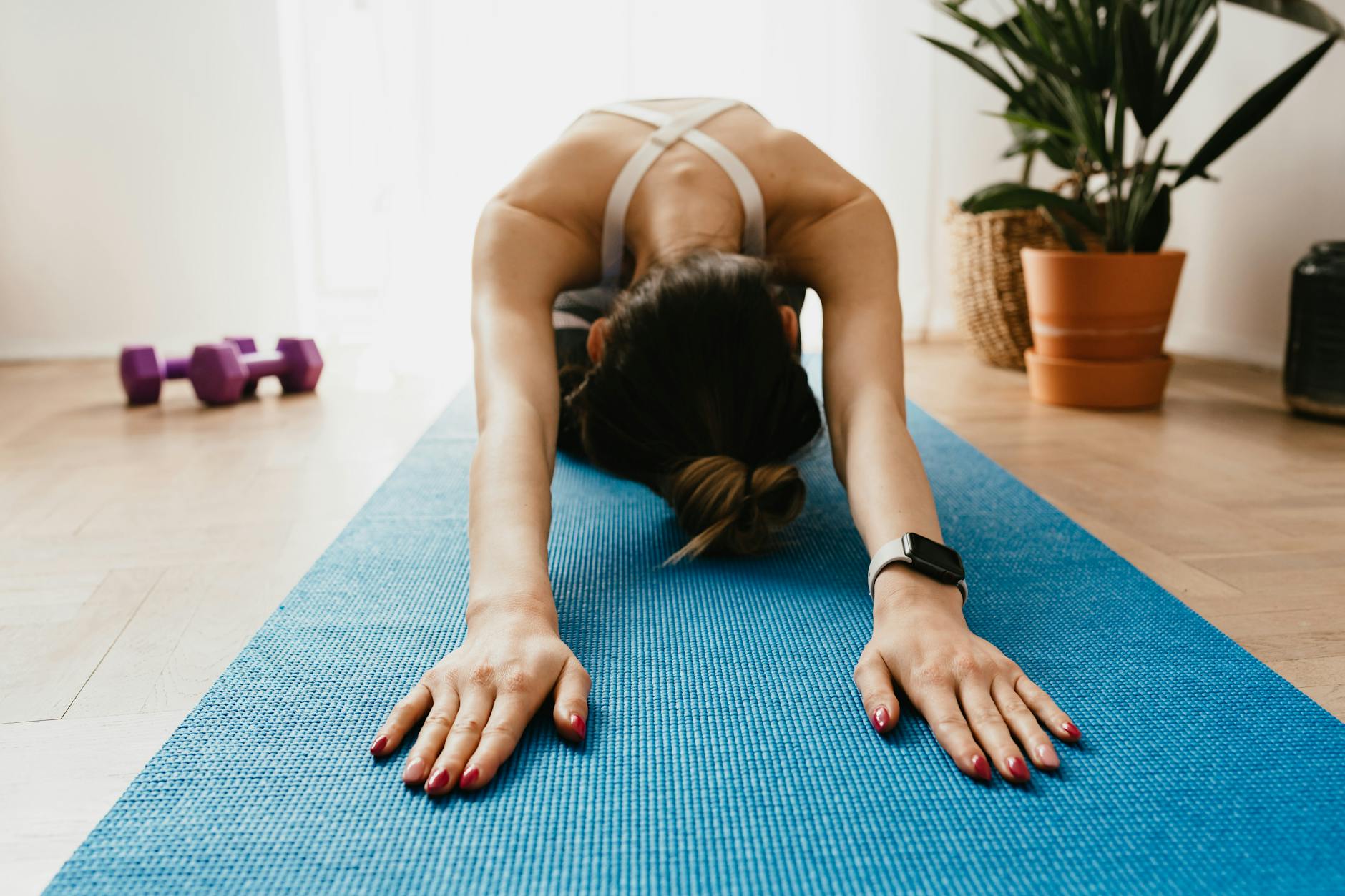
In 2026, more people than ever are discovering that you don’t need expensive gym memberships or fancy equipment to achieve your fitness goals. Building a sustainable home fitness routine without equipment is not only possible—it’s becoming the preferred approach for millions of health-conscious individuals worldwide.
Whether you’re busy, budget-conscious, or simply prefer working out at home, this comprehensive guide will help you create a fitness routine that’s effective, sustainable, and perfectly tailored to your lifestyle.
Why Equipment-Free Home Fitness is Thriving in 2026
The fitness industry has undergone a significant transformation. According to recent 2026 wellness trends, bodyweight training has become the dominant fitness method, with 67% of home exercisers preferring equipment-free workouts. This shift reflects a growing understanding that sustainable fitness comes from consistency and proper form, not expensive equipment.
The advantages are clear: no storage concerns, zero equipment costs, complete privacy, and the flexibility to work out whenever you want. Most importantly, equipment-free routines promote long-term adherence because they’re genuinely sustainable.
Understanding the Fundamentals of Bodyweight Training
The Science Behind Bodyweight Exercises
Your body is a complete resistance training machine. When you perform pushups, squats, or planks, you’re engaging multiple muscle groups simultaneously, which creates functional strength that translates to real-world activities.
In 2026, fitness science has confirmed what trainers have long known: progressive overload—gradually increasing difficulty—works just as effectively with bodyweight as with weights. You can increase reps, decrease rest periods, modify leverage, or add isometric holds to continuously challenge your muscles.
Building Your Foundation
Before diving into complex routines, establish these fundamentals:
- Proper form: Quality always trumps quantity. Poor form wastes energy and increases injury risk
- Consistency: Three to four sessions weekly builds sustainable habits better than sporadic intense workouts
- Progressive challenge: Your body adapts quickly, so you must continuously increase difficulty
- Recovery: Rest days aren’t optional—they’re when your body actually builds strength
Creating Your Personalized Fitness Plan
Assessing Your Current Fitness Level
Honest self-assessment is crucial. In 2026, many fitness apps include assessment features, but you can also use simple tests:
- How many pushups can you perform with proper form?
- Can you hold a plank for 60 seconds?
- How many squats can you complete without stopping?
These benchmarks help you track progress and determine appropriate starting points.
Designing Your Weekly Structure
A sustainable routine typically includes:
Monday & Thursday: Upper Body Focus
– Pushup variations (standard, wide-grip, diamond)
– Pike pushups
– Tricep dips using a chair
– Plank variations
Tuesday & Friday: Lower Body Focus
– Squats (bodyweight, jump squats, Bulgarian split squats)
– Lunges (forward, reverse, walking)
– Single-leg glute bridges
– Wall sits
Wednesday: Active Recovery or Full-Body
– Light yoga or stretching
– Or a moderate-intensity full-body circuit
Saturday: Optional Conditioning
– High-intensity interval training (HIIT)
– Endurance-based circuits
Sunday: Complete Rest
Essential Bodyweight Exercises for Every Fitness Level
Beginner Exercises
Wall Pushups: Stand facing a wall, place hands shoulder-width apart, and perform pushups against the wall. This builds foundational strength with minimal joint stress.
Bodyweight Squats: Stand with feet shoulder-width apart, lower your body as if sitting in a chair, and return to standing. Focus on keeping your chest up and weight in your heels.
Glute Bridges: Lie on your back with knees bent, push through your heels, and lift your hips. This foundational exercise builds posterior chain strength.
Intermediate Exercises
Standard Pushups: The classic exercise remains one of the most effective upper body movements. Modify by doing them on your knees if needed.
Bulgarian Split Squats: Place one foot behind you on a low surface, lunge forward with your front leg. This unilateral movement builds strength and balance.
Plank Variations: Beyond standard planks, try side planks, plank shoulder taps, and plank-to-downward dog transitions.
Advanced Exercises
Pistol Squats: Single-leg squats that require significant strength and mobility. Progress by holding a support and gradually reducing reliance on it.
Handstand Holds: Build shoulder and core strength by holding a handstand against a wall. Start with short holds and progress gradually.
Decline Pushups: Feet elevated on a chair or couch increases the difficulty and emphasizes upper chest and shoulders.
Building Sustainable Habits in 2026
Making Your Routine Stick
Sustainability requires more than just a good plan—it requires psychological strategies:
Schedule Consistency: Work out at the same time daily. Your body adapts to routines, making exercise feel more natural.
Environmental Design: Clear a small space for your workouts. Remove obstacles and create a dedicated fitness area, even if it’s just a corner of your bedroom.
Tracking Progress: Use a simple notebook or fitness app to log workouts. Visible progress is incredibly motivating.
Community Connection: Join online fitness communities in 2026. Whether through Reddit, Discord, or dedicated fitness apps, connecting with others increases accountability and motivation.
Overcoming Common Obstacles
Time Constraints: Even 15-20 minutes of focused training provides significant benefits. Short, intense workouts beat missed longer sessions.
Motivation Fluctuations: Expect motivation to wane. This is normal. Rely on your schedule and habit rather than motivation.
Plateau Concerns: When progress stalls, modify exercises, increase volume, or decrease rest periods. Your body always has new challenges to overcome.
Nutrition and Recovery for Home Fitness Success
Exercise is only half the equation. Proper nutrition supports your efforts:
- Protein intake: Aim for 0.7-1 gram per pound of body weight daily
- Whole foods: Prioritize vegetables, fruits, lean proteins, and whole grains
- Hydration: Drink water consistently throughout your day
- Sleep: Seven to nine hours nightly supports muscle recovery and adaptation
Measuring Progress Beyond the Scale
In 2026, fitness tracking has evolved beyond weight measurements. Monitor these meaningful metrics:
- Strength gains: Increased reps or more challenging variations
- Endurance: Longer workout duration or reduced rest periods
- Body composition: How your clothes fit and how you look in photos
- Energy levels: Improved daily vitality and mood
- Sleep quality: Better rest and recovery
Your 2026 Fitness Journey Starts Now
Building a sustainable home fitness routine without equipment is entirely achievable in 2026. You have access to incredible information, supportive communities, and proven training methods. The only requirement is consistency and commitment to showing up for yourself.
Start where you are, use what you have, and do what you can. Your future self will thank you for the investment you make today in your health and fitness.
Sources and Further Reading
Frequently Asked Questions
What is How to Build a Sustainable Home Fitness ?
How to Build a Sustainable Home Fitness refers to a set of concepts and practices relevant to health. Understanding the fundamentals helps you apply these techniques effectively in real-world situations.
Who benefits most from How to Build a Sustainable Home Fitness ?
Anyone working in or interested in health can benefit. Beginners gain foundational knowledge, while experienced practitioners find actionable guidance for common challenges.
What are the key steps to get started with How to Build a Sustainable Home Fitness ?
Start by understanding the core principles, then apply them incrementally. Focus on measurable outcomes and iterate based on what you observe in practice.