In 2026, more people than ever are discovering the transformative power of home fitness. Whether you’re working from home, managing a busy schedule, or simply looking to save money on gym memberships, building a budget-friendly home gym is entirely achievable. This comprehensive guide will walk you through everything you need to know to get started.
Why Home Gyms Are More Popular Than Ever in 2026
The fitness landscape has dramatically shifted over the past few years. According to recent 2026 wellness reports, 65% of fitness enthusiasts now incorporate home workouts into their routine. The convenience factor is undeniable—no commute, no membership fees, and complete control over your workout environment.
Creating a home gym doesn’t require a massive investment. With strategic planning and smart purchasing decisions, you can build an effective workout space for under $300. The key is understanding what equipment actually delivers results versus what’s just taking up space.
Assess Your Space and Fitness Goals
Measuring Your Available Space
Before buying a single piece of equipment, honestly evaluate your available space. You don’t need a dedicated room—even a corner of your bedroom, garage, or living room can work. Aim for at least 6 feet by 6 feet for basic strength training and cardio.
Consider your ceiling height, especially if you’re planning to do exercises like jump rope or overhead movements. Measure your space and take photos to reference while shopping. This prevents impulse purchases of equipment that won’t fit.
Defining Your Fitness Objectives
Are you looking to build muscle, improve cardiovascular health, increase flexibility, or achieve weight loss? Your primary goal should guide your equipment purchases. A beginner focused on strength training needs different tools than someone prioritizing cardio and mobility work.
In 2026, many fitness experts recommend a balanced approach that combines strength, cardio, and flexibility work. This means your budget-conscious equipment selection should reflect this well-rounded philosophy.
Essential Equipment for Your 2026 Home Gym
Dumbbells: The Foundation of Strength Training
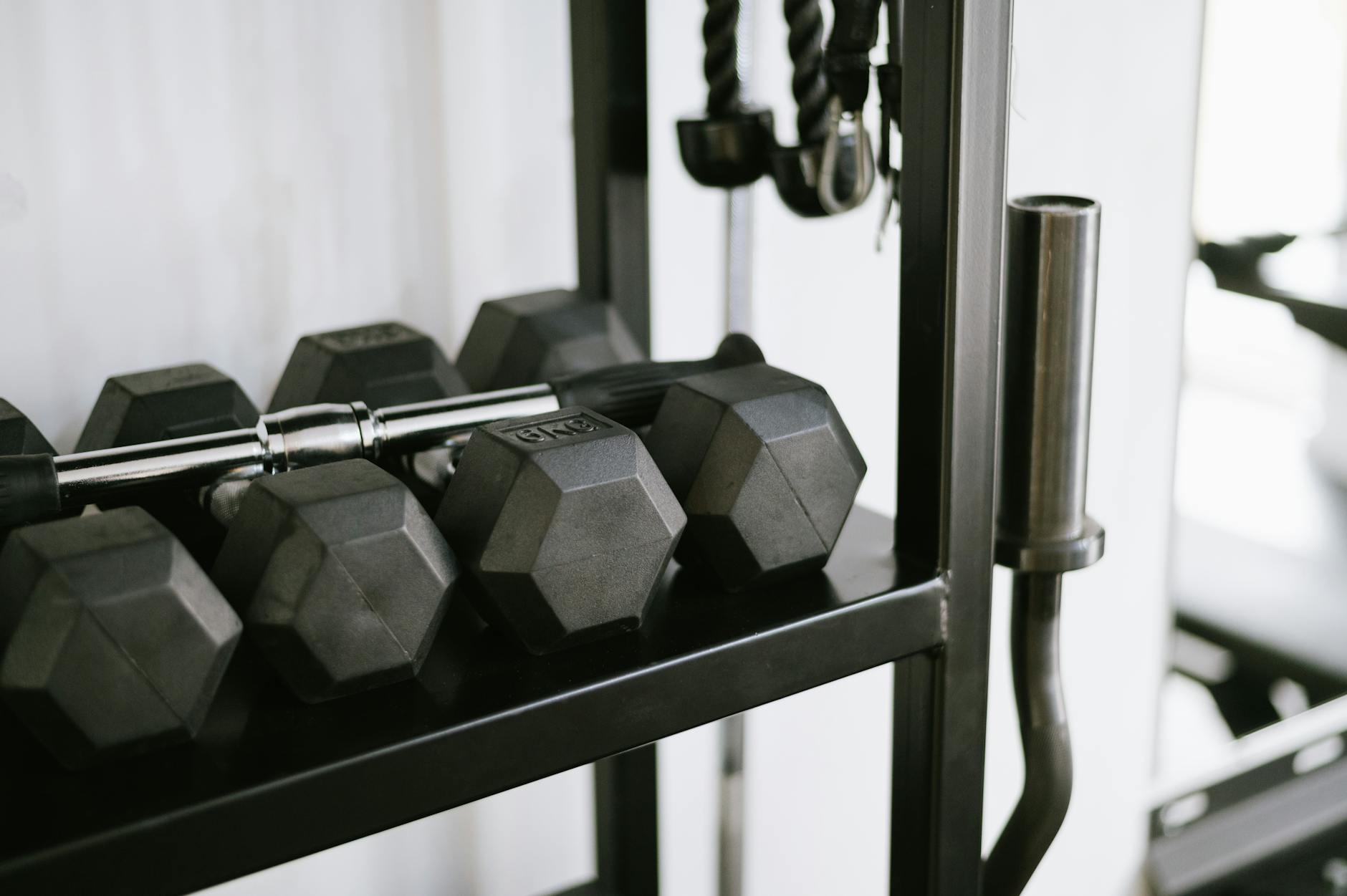
Dumbbells are the MVP of budget home gyms. They’re versatile, space-efficient, and incredibly effective for building strength. In 2026, adjustable dumbbells have become more affordable than ever, with quality sets ranging from $100-$150 for a beginner pair.
Start with lighter weights—5-15 pounds for women and 10-25 pounds for men. You can always add heavier weights later as you progress. Fixed dumbbells are cheaper but take up more space; adjustable ones are more expensive but save room.
Resistance Bands: Compact and Powerful
Resistance bands are criminally underrated in home fitness. These colorful loops cost between $15-$40 for a full set and provide progressive resistance for nearly every exercise. They’re perfect for strength training, physical therapy, and mobility work.
The beauty of resistance bands in 2026 is their versatility—they work for beginners and advanced exercisers alike. Stack multiple bands together for increased resistance, or use them individually for rehabilitation exercises.
Yoga Mat: Your Foundation
A quality yoga mat ($20-$40) is essential for floor exercises, stretching, and protecting your joints. Look for mats that are at least ¼ inch thick with good grip. This single purchase makes your home gym feel more legitimate and protects your floors.
Jump Rope: Cardio on a Budget
For under $20, a jump rope provides excellent cardiovascular benefits. It’s one of the most efficient cardio tools available and requires minimal space. Even 10 minutes of jump rope can elevate your heart rate significantly.
Stability Ball: Multi-Purpose Training
Stability balls ($25-$35) serve as both a core training tool and a bench for dumbbell exercises. They improve balance, engage stabilizer muscles, and add variety to your workouts. Choose the correct size based on your height—typically 55cm, 65cm, or 75cm.
Budget-Friendly Alternatives to Expensive Equipment
DIY Solutions for 2026 Home Gyms
You don’t always need to buy commercial equipment. Water jugs can serve as weights, towels can substitute for sliders, and stairs in your home provide excellent cardio training. Resistance bands can replace expensive cable machines for most exercises.
In 2026, the fitness community has embraced creative solutions. Many successful home gym enthusiasts use bodyweight exercises, household items, and minimal equipment to achieve impressive results.
Where to Find Budget Equipment
Online marketplaces, second-hand stores, and end-of-season sales offer significant savings. In 2026, many retailers offer flexible payment plans, making quality equipment more accessible. Don’t overlook Facebook Marketplace and local community groups where people often sell barely-used equipment at steep discounts.
Creating an Effective Workout Routine
Sample Weekly Schedule
With your basic equipment, a simple structure might look like:
- Monday: Upper body strength with dumbbells and resistance bands
- Tuesday: Cardio with jump rope and bodyweight exercises
- Wednesday: Rest or light stretching
- Thursday: Lower body strength with dumbbells and stability ball
- Friday: Full-body circuit combining strength and cardio
- Saturday: Active recovery with yoga or mobility work
- Sunday: Rest day
Progressive Overload on a Budget
Progressive overload—gradually increasing workout intensity—is crucial for results. With limited equipment, increase reps, reduce rest periods, or combine movements for added difficulty. Resistance bands allow you to stack multiple bands for increased resistance without buying new dumbbells.
Maximizing Your 2026 Home Gym Investment
Organization and Motivation
Keep your equipment organized and visible. A tidy home gym is more inviting and easier to use. Invest in a small storage rack ($30-$50) to keep everything in one place.
Consider creating a motivating environment with good lighting, a mirror, and uplifting music. These free or low-cost additions significantly impact consistency and enjoyment.
Tracking Progress
Use your smartphone to track workouts, take progress photos, and monitor strength gains. Many free fitness apps in 2026 provide guided workouts specifically designed for home gym equipment.
Common Mistakes to Avoid
Don’t buy equipment based on trends or Instagram aesthetics. Avoid overly specialized equipment that only works for one exercise. Don’t underestimate bodyweight training—push-ups, squats, and planks are incredibly effective.
Many beginners spend money on equipment they never use. Start minimal, use your equipment consistently, and only add new items when you’ve maximized what you have.
Conclusion
Creating a home gym in 2026 is more accessible than ever. You don’t need expensive equipment or a dedicated space to see real results. With dumbbells, resistance bands, a yoga mat, and commitment, you can build an effective fitness routine.
Start with the essentials, focus on progressive training, and remember that consistency matters far more than equipment quality. Your budget home gym can deliver results that rival expensive gym memberships—if you’re willing to put in the work. Begin today, stay consistent, and watch your fitness transform.
Sources and Further Reading
Frequently Asked Questions
What is Create a Home Gym on a Budget?
Create a Home Gym on a Budget refers to a set of concepts and practices relevant to health. Understanding the fundamentals helps you apply these techniques effectively in real-world situations.
Who benefits most from Create a Home Gym on a Budget?
Anyone working in or interested in health can benefit. Beginners gain foundational knowledge, while experienced practitioners find actionable guidance for common challenges.
What are the key steps to get started with Create a Home Gym on a Budget?
Start by understanding the core principles, then apply them incrementally. Focus on measurable outcomes and iterate based on what you observe in practice.