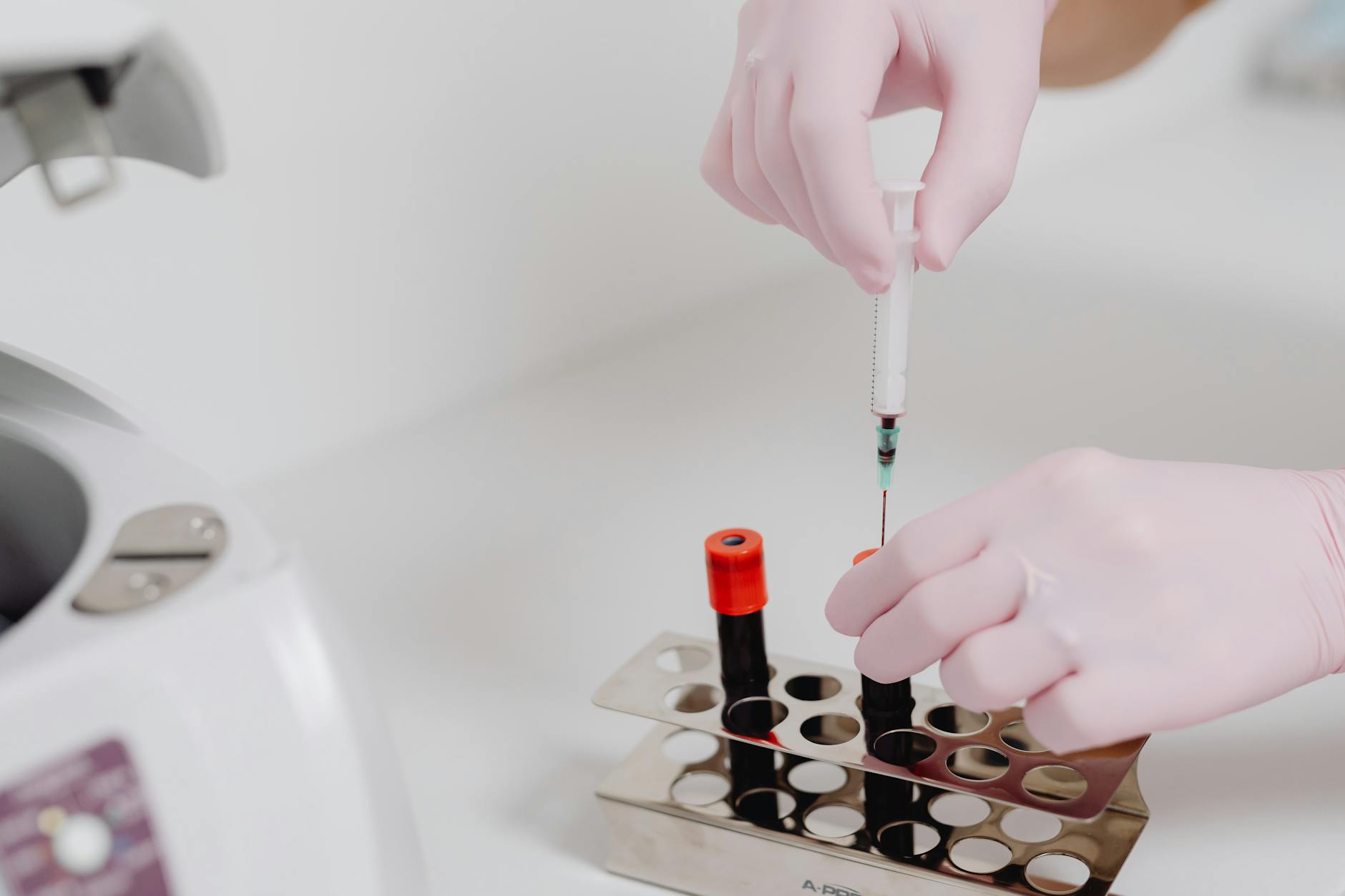
Blood work is one of the most valuable diagnostic tools in modern medicine, providing crucial insights into your overall health status. Whether you’ve just received your lab results or are preparing for an upcoming blood test, understanding what those numbers mean is essential for taking control of your health in 2026. This comprehensive guide will help you decode your blood work results and empower you to make informed decisions about your wellness.
Why Blood Work Matters in 2026
In 2026, preventive healthcare has become more important than ever. Regular blood tests serve as an early warning system, detecting potential health issues before symptoms appear. Your blood work acts like a report card for your body, revealing information about your immune function, organ health, metabolic status, and nutrient levels.
Modern healthcare providers now emphasize the importance of baseline blood work for all adults. These results become increasingly valuable when compared year after year, allowing your doctor to identify trends and make personalized health recommendations.
Understanding Common Blood Tests
Complete Blood Count (CBC)
The CBC is one of the most frequently ordered blood tests. It measures different types of blood cells and can reveal information about infections, anemia, and blood disorders.
Key measurements include:
– White Blood Cells (WBC): Indicates immune function and infection risk
– Red Blood Cells (RBC): Measures oxygen-carrying capacity
– Hemoglobin: Protein that carries oxygen in red blood cells
– Hematocrit: Percentage of blood composed of red blood cells
– Platelets: Blood clotting cells
Abnormal CBC results might indicate infections, anemia, leukemia, or other blood disorders. In 2026, advanced laboratory technology provides more detailed analysis than ever before, giving your healthcare provider precise information about your blood composition.
Comprehensive Metabolic Panel (CMP)
The CMP evaluates how well your organs are functioning and your metabolic health. This panel includes 14 different measurements that assess kidney function, liver health, blood sugar levels, and electrolyte balance.
Important components:
– Glucose: Blood sugar level (fasting glucose is typically 70-100 mg/dL)
– Creatinine: Kidney function marker
– Blood Urea Nitrogen (BUN): Another kidney function indicator
– Sodium, Potassium, Chloride: Electrolytes crucial for nerve and muscle function
– Calcium: Important for bone health and muscle function
– Liver enzymes (ALT, AST): Indicate liver damage or disease
Lipid Panel
Your lipid panel measures different types of cholesterol and triglycerides in your blood. Understanding these numbers is critical for heart health in 2026, where cardiovascular disease remains a leading health concern.
Key lipid measurements:
– Total Cholesterol: Should ideally be below 200 mg/dL
– LDL Cholesterol: “Bad” cholesterol (lower is better)
– HDL Cholesterol: “Good” cholesterol (higher is better)
– Triglycerides: Fat in your blood (lower is healthier)
Interpreting Your Results: What the Numbers Mean
Normal vs. Abnormal Ranges
Laboratory reference ranges represent values from healthy individuals. However, these ranges can vary slightly between laboratories and may differ based on age, sex, and other factors. In 2026, many advanced labs provide personalized reference ranges based on individual demographics.
“Normal” doesn’t always mean optimal. Some healthcare providers in 2026 use “optimal” ranges that are narrower than standard reference ranges, focusing on disease prevention rather than just disease diagnosis.
High and Low Values
When your results fall outside the reference range, it doesn’t automatically mean you have a serious condition. Many factors can temporarily affect blood work results, including:
– Recent meals or fasting status
– Medications you’re taking
– Stress and sleep quality
– Recent exercise or illness
– Hydration status
– Time of day the test was performed
Red Flags to Discuss With Your Doctor
While many abnormal results are minor and easily explained, certain findings warrant immediate attention. In 2026, your healthcare provider should discuss:
- Significantly elevated glucose levels (potential diabetes)
- Abnormal liver enzyme levels (possible liver disease)
- Low hemoglobin (potential anemia)
- High triglycerides combined with low HDL (cardiovascular risk)
- Abnormal kidney function markers (potential kidney disease)
- Unusual white blood cell counts (infection or immune disorder)
Taking Action Based on Your Results
Lifestyle Modifications
Many blood work abnormalities can be improved through lifestyle changes. In 2026, evidence-based interventions include:
Nutrition: A balanced diet rich in whole foods, vegetables, and lean proteins can dramatically improve cholesterol, glucose, and triglyceride levels. Consider consulting a registered dietitian for personalized recommendations.
Exercise: Regular physical activity improves cardiovascular health, metabolic function, and immune response. Aim for at least 150 minutes of moderate-intensity exercise weekly.
Sleep: Quality sleep is crucial for metabolic health and immune function. Most adults need 7-9 hours nightly.
Stress Management: Chronic stress elevates cortisol and can negatively impact multiple blood markers. Meditation, yoga, and other stress-reduction techniques are proven effective.
Medical Interventions
Some conditions revealed by blood work require medical treatment. Your doctor might recommend medications, supplements, or additional testing to address abnormal results.
Tracking Your Health Over Time
The Importance of Baseline Testing
In 2026, establishing baseline blood work is recommended for all adults, even those without health concerns. These baseline results become invaluable for identifying changes in your health status over time.
Creating Your Health Timeline
Keep copies of your blood work results and note any lifestyle changes between tests. This information helps your doctor identify patterns and determine whether interventions are working effectively.
Advanced Blood Testing in 2026
Modern medicine now offers specialized blood tests beyond standard panels:
- Inflammatory markers: C-reactive protein (CRP) and other inflammation indicators
- Advanced lipid testing: Particle size and lipoprotein(a) measurements
- Micronutrient panels: Vitamins and mineral status
- Genetic testing: Predisposition to certain conditions
- Hormone panels: Thyroid, cortisol, and reproductive hormones
Discuss with your healthcare provider whether any specialized testing is appropriate for your individual health profile.
Conclusion
Understanding your blood work results empowers you to take an active role in your health management in 2026. Rather than viewing lab results as mysterious numbers, see them as valuable information about your body’s current state. Work closely with your healthcare provider to interpret results, identify trends, and develop an action plan that supports your long-term wellness goals.
Remember that a single abnormal result rarely indicates a serious problem. Focus on overall patterns and trends while implementing sustainable lifestyle modifications. Your blood work is a tool for prevention and early detection—use it wisely to invest in your health for years to come.
Sources and Further Reading
Frequently Asked Questions
What is The Ultimate Guide to Understanding Your?
The Ultimate Guide to Understanding Your refers to a set of concepts and practices relevant to health. Understanding the fundamentals helps you apply these techniques effectively in real-world situations.
Who benefits most from The Ultimate Guide to Understanding Your?
Anyone working in or interested in health can benefit. Beginners gain foundational knowledge, while experienced practitioners find actionable guidance for common challenges.
What are the key steps to get started with The Ultimate Guide to Understanding Your?
Start by understanding the core principles, then apply them incrementally. Focus on measurable outcomes and iterate based on what you observe in practice.