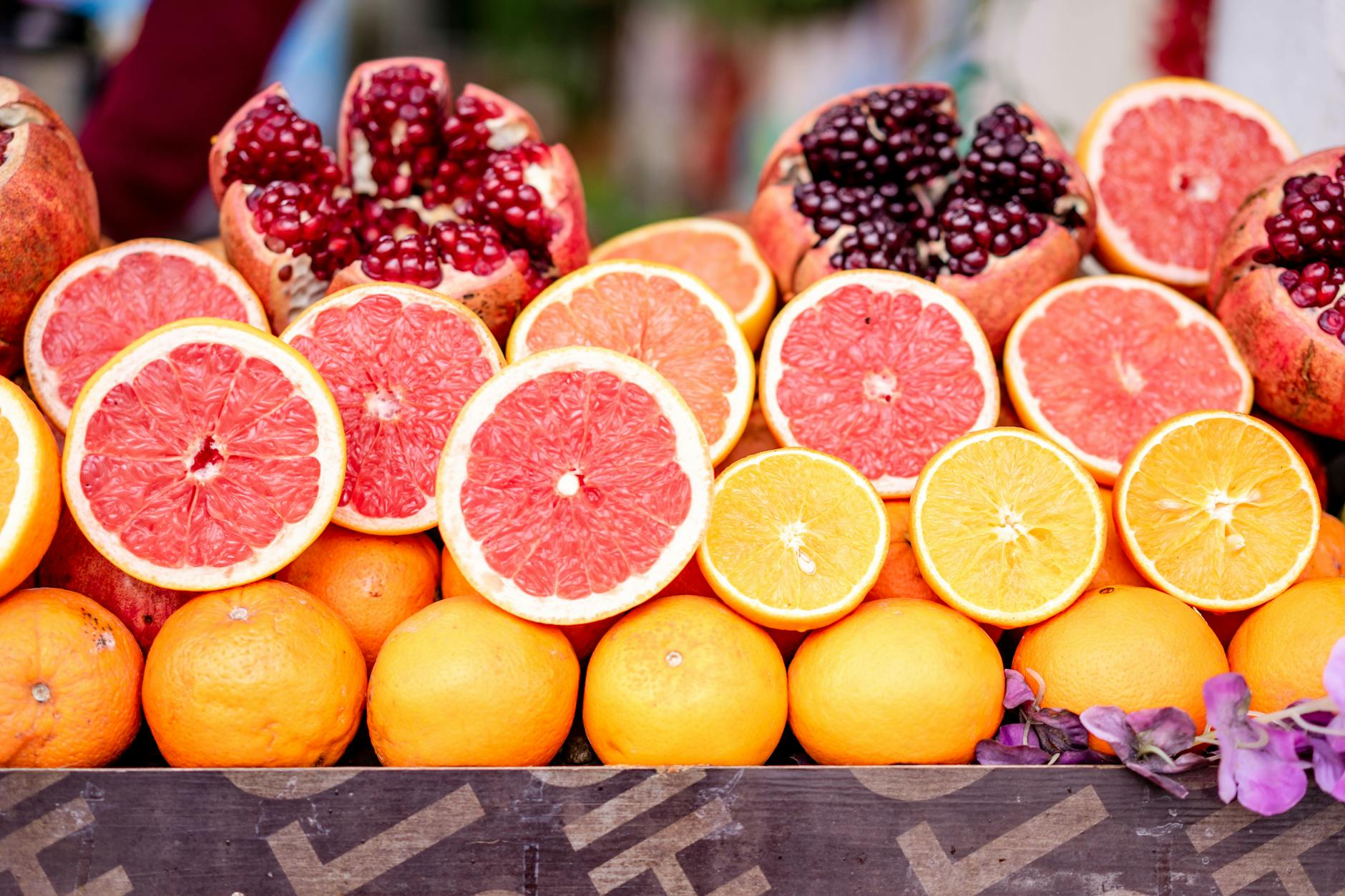
As we navigate through 2026, maintaining a strong immune system has never been more important. While there’s no magic cure-all, the right functional foods can significantly enhance your body’s natural defense mechanisms. This comprehensive guide explores the most effective immune-boosting foods backed by current research and nutritional science.
Understanding Functional Foods and Immunity
Functional foods go beyond basic nutrition—they contain bioactive compounds that provide health benefits beyond their fundamental nutritional value. In 2026, the functional food market continues to expand as more people recognize the connection between diet and immune health.
Your immune system relies on various nutrients to function optimally, including vitamins, minerals, antioxidants, and polyphenols. By incorporating the right functional foods into your daily diet, you can support your body’s natural ability to fight off infections and maintain overall wellness.
Top Immune-Boosting Functional Foods in 2026
1. Fermented Foods and Probiotics
Fermented foods have become increasingly popular in 2026 as research continues to validate their immune-supporting properties. The gut microbiome plays a crucial role in immune function, with approximately 70% of your immune system residing in your digestive tract.
Incorporate these fermented options:
– Sauerkraut: Rich in beneficial bacteria and vitamin K2
– Kimchi: Combines probiotics with immune-boosting ingredients like garlic and ginger
– Kefir: Contains more probiotic strains than yogurt
– Miso: Offers probiotics plus umami flavor to meals
– Kombucha: A fermented tea with growing scientific support for gut health
The 2026 research emphasizes that a diverse microbiome creates a stronger immune response, making fermented foods an essential part of any immune-support strategy.
2. Mushrooms with Medicinal Properties
Medicinal mushrooms have transitioned from niche supplements to mainstream functional foods in 2026. These fungi contain beta-glucans and polysaccharides that activate immune cells.
Top immune-supporting mushrooms include:
– Reishi: Known as the “mushroom of immortality,” supports stress reduction and immunity
– Shiitake: Contains lentinan, a compound studied for immune enhancement
– Maitake: Traditionally used in Asian medicine for immune support
– Cordyceps: Popular among athletes for energy and immune function
– Lion’s Mane: Supports both immune and cognitive function
In 2026, these mushrooms are available fresh, dried, powdered, or as supplements, making them easy to incorporate into your routine.
3. Citrus Fruits and Vitamin C Sources
While vitamin C isn’t a cure, it remains essential for immune function. Beyond oranges and lemons, explore these 2026 favorites:
– Kakadu plums: Contains up to 100 times more vitamin C than oranges
– Sea buckthorn: A nutrient-dense berry gaining popularity in 2026
– Kiwi fruit: Provides vitamin C plus other beneficial compounds
– Bell peppers: Often overlooked but contain more vitamin C than citrus
Aim for 75-90 mg of vitamin C daily through whole food sources rather than supplements alone.
4. Garlic and Allium Vegetables
Garlic has been used medicinally for centuries, and 2026 research continues to support its immune benefits. The compound allicin, released when garlic is chopped or crushed, demonstrates antimicrobial and immune-enhancing properties.
Other beneficial allium vegetables include:
– Onions
– Leeks
– Shallots
– Chives
For maximum benefits, let crushed garlic sit for 10 minutes before cooking to allow allicin formation.
5. Turmeric and Curcumin-Rich Spices
Turmeric’s active compound, curcumin, has become one of the most researched functional ingredients in 2026. This golden spice offers potent anti-inflammatory and antioxidant benefits that support immune function.
To maximize curcumin absorption:
– Combine turmeric with black pepper (contains piperine)
– Add healthy fats like coconut oil or olive oil
– Consume regularly rather than occasionally
Other immune-supporting spices trending in 2026:
– Ginger
– Cinnamon
– Cayenne pepper
– Oregano
6. Leafy Greens and Cruciferous Vegetables
Dark leafy greens provide vitamins A, C, and K, plus folate and iron—all crucial for immune function. In 2026, nutrient density has become the primary focus for health-conscious eaters.
Top choices include:
– Spinach: Rich in folate and vitamins
– Kale: Contains sulforaphane with anti-inflammatory properties
– Broccoli: A cruciferous vegetable with immune-supporting compounds
– Collard greens: Often overlooked but nutrient-dense
7. Berries and Polyphenol-Rich Foods
Berries are nutritional powerhouses packed with antioxidants that combat oxidative stress and support immune function. The 2026 trend toward “superfruits” has expanded beyond blueberries.
Try these immune-supporting berries:
– Blueberries: High in anthocyanins
– Elderberries: Traditional immune support now backed by modern research
– Acai berries: Rich in antioxidants
– Goji berries: Adaptogenic properties support stress resilience
– Pomegranate: Powerful polyphenol content
8. Nuts and Seeds
These nutrient-dense foods provide selenium, zinc, and vitamin E—all essential for immune function. In 2026, the focus has shifted to including a variety of nuts and seeds rather than relying on single sources.
Include:
– Brazil nuts: Exceptional selenium content
– Pumpkin seeds: Rich in zinc and magnesium
– Sunflower seeds: Provide vitamin E and selenium
– Hemp seeds: Complete protein with omega-3 fatty acids
– Almonds: Provide vitamin E and fiber
Creating Your 2026 Immune-Supporting Diet
Daily Practices
Rather than focusing on individual foods, think about building a pattern of consumption:
– Include at least three different colored vegetables daily
– Consume fermented foods with most meals
– Add a medicinal mushroom to your routine
– Use immune-supporting spices generously
– Snack on nuts and seeds
Meal Ideas
Breakfast: Kefir with berries, ground flaxseed, and honey
Lunch: Kale salad with pumpkin seeds, fermented vegetables, and turmeric-olive oil dressing
Dinner: Shiitake mushroom stir-fry with garlic, ginger, broccoli, and brown rice
Snacks: Brazil nuts, berries, or homemade energy balls with dates and almonds
Beyond Food: Complementary Lifestyle Factors
In 2026, the holistic approach to immunity recognizes that food is just one component. Sleep quality, stress management, regular movement, and adequate hydration remain equally important.
For optimal immune function:
– Aim for 7-9 hours of quality sleep nightly
– Practice stress-reduction techniques like meditation or yoga
– Engage in regular physical activity
– Stay hydrated with plenty of water
– Limit processed foods and added sugars
Conclusion
Boosting your immune system in 2026 doesn’t require expensive supplements or exotic ingredients. By focusing on whole, functional foods rich in vitamins, minerals, antioxidants, and beneficial compounds, you can naturally support your body’s defense mechanisms.
Start by incorporating one or two new functional foods into your routine this week. As you build these habits, you’ll create a sustainable approach to immune health that extends far beyond 2026. Remember, consistency matters more than perfection—small daily choices compound into significant health benefits over time.
Your immune system is your body’s most powerful tool. Feed it well, and it will protect you.
Sources and Further Reading
Frequently Asked Questions
What is The Best Functional Foods to Boost Your ?
The Best Functional Foods to Boost Your refers to a set of concepts and practices relevant to health. Understanding the fundamentals helps you apply these techniques effectively in real-world situations.
Who benefits most from The Best Functional Foods to Boost Your ?
Anyone working in or interested in health can benefit. Beginners gain foundational knowledge, while experienced practitioners find actionable guidance for common challenges.
What are the key steps to get started with The Best Functional Foods to Boost Your ?
Start by understanding the core principles, then apply them incrementally. Focus on measurable outcomes and iterate based on what you observe in practice.