Building a sustainable home workout routine has become more important than ever in 2026. With busy schedules, rising gym memberships, and the flexibility that home fitness offers, millions of people are discovering that they can achieve their health goals without ever leaving their living room. Whether you’re a fitness beginner or someone looking to optimize your current routine, this comprehensive guide will help you create a workout plan that you can actually stick with.
Why Home Workouts Matter in 2026
The fitness landscape has transformed dramatically over the past few years. In 2026, home workouts are no longer just a temporary solution—they’re a permanent fixture in how people approach their health and wellness. According to recent fitness industry data, over 60% of fitness enthusiasts in 2026 incorporate home workouts into their weekly routine.
Home workouts offer unparalleled convenience, cost savings, and flexibility. You control the environment, the timing, and the intensity. More importantly, you eliminate commute time and gym intimidation, which makes consistency significantly easier to maintain.
Step 1: Assess Your Current Fitness Level
Understand Where You’re Starting From
Before diving into any workout routine, you need an honest assessment of your current fitness level. This isn’t about judgment—it’s about creating a realistic starting point.
Take time to evaluate:
– Your cardiovascular endurance
– Your strength baseline
– Your flexibility and mobility
– Any existing injuries or limitations
– Your overall energy levels throughout the day
Consider performing simple tests: How many push-ups can you do? How long can you hold a plank? Can you run for 10 minutes without stopping? These baseline metrics will help you track progress and stay motivated throughout 2026.
Step 2: Define Clear, Achievable Goals
Set SMART Fitness Objectives
Vague goals like “get fit” won’t sustain your motivation. Instead, use the SMART framework:
Specific: Define exactly what you want to achieve. “Build muscle tone in my arms” is better than “get stronger.”
Measurable: Track your progress with concrete metrics. Aim to do 20 push-ups instead of “more push-ups.”
Achievable: Set goals that challenge you but remain realistic for your current situation.
Relevant: Ensure your goals align with your lifestyle and values.
Time-bound: Set a deadline. “I will complete 50 consecutive push-ups by December 2026” is powerful.
Write your goals down and post them somewhere visible. Research from 2026 fitness psychology shows that written goals increase accountability and completion rates by nearly 40%.
Step 3: Choose Your Workout Style and Format
Find What Works for Your Personality
The best workout routine is one you’ll actually do. In 2026, you have incredible variety available:
Strength Training: Use bodyweight, resistance bands, or dumbbells. Focus on compound movements like squats, push-ups, and lunges.
Cardio and HIIT: High-intensity interval training burns calories efficiently and requires minimal space. Jumping jacks, burpees, and mountain climbers work great at home.
Yoga and Flexibility: Perfect for recovery days and building functional mobility. Many excellent free and premium programs exist in 2026.
Hybrid Routines: Combine strength, cardio, and flexibility work for balanced fitness.
Consider your preferences: Do you enjoy intense, sweaty workouts or gentler movement? Are you motivated by music and energy, or do you prefer calm, focused sessions? Honestly answering these questions ensures you’ll stick with your routine.
Step 4: Design Your Weekly Schedule
Create a Realistic Training Framework
Consistency beats intensity every time. A sustainable routine in 2026 typically involves:
Frequency: Aim for 3-5 workouts per week, depending on your fitness level and goals. This provides enough stimulus for progress without overtraining.
Duration: Start with 20-30 minute sessions. As you build consistency, you can increase to 45-60 minutes.
Recovery: Include at least 2-3 rest days weekly. Recovery is when your body actually adapts and gets stronger.
Variety: Alternate between different workout types. A sample week might look like:
– Monday: Strength training (upper body)
– Tuesday: HIIT cardio
– Wednesday: Rest or gentle yoga
– Thursday: Strength training (lower body)
– Friday: Cardio or hybrid workout
– Saturday: Active recovery or longer, moderate workout
– Sunday: Complete rest
This approach prevents boredom and overuse injuries while targeting all aspects of fitness.
Step 5: Invest in Minimal Equipment
Build Your Home Gym Strategically
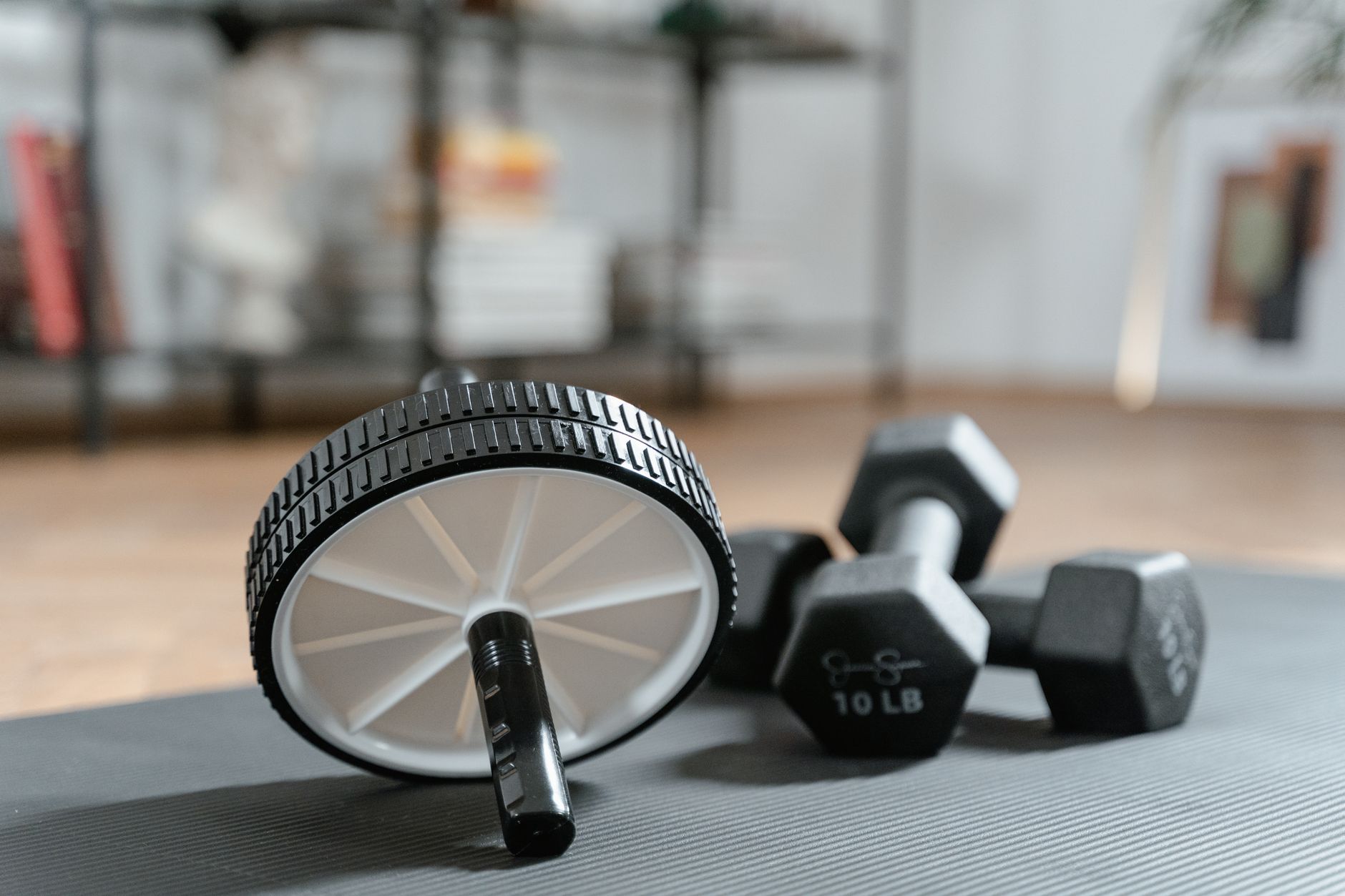
You don’t need expensive equipment to get results. Essential items for 2026 home fitness include:
- Resistance bands: Affordable, versatile, and space-saving
- Dumbbells: Adjustable sets are ideal for saving space
- Yoga mat: Provides cushioning and defines your workout space
- Pull-up bar: Inexpensive and enables numerous exercises
- Jump rope: Excellent cardio tool that costs under $20
Start with just a mat and bodyweight. Add equipment gradually as your routine progresses and your budget allows.
Step 6: Track Progress and Stay Accountable
Monitor Your Journey
Tracking progress is crucial for motivation and sustainability. In 2026, numerous apps and tools make this simple:
- Log your workouts (exercises, reps, duration)
- Take progress photos monthly
- Measure body composition changes
- Note how you feel during and after workouts
- Track improvements in strength and endurance
Use a journal, spreadsheet, or fitness app. Review your progress every 4-6 weeks and celebrate victories, no matter how small.
Step 7: Overcome Common Obstacles
Problem-Solve Before Issues Arise
Anticipate challenges and plan solutions:
Lack of Motivation: Schedule workouts like appointments. Find a workout buddy or online community for accountability.
Time Constraints: Shorter, intense workouts are still effective. Even 15-20 minutes counts.
Boredom: Rotate exercises, try new workout styles, or follow different programs monthly.
Soreness: Proper warm-ups, cool-downs, and recovery practices minimize excessive soreness.
Step 8: Create a Sustainable Lifestyle Integration
Make Fitness Part of Your Identity
For long-term success, home workouts must integrate into your lifestyle, not feel like a burden. In 2026, successful fitness enthusiasts treat exercise as self-care rather than punishment.
Prioritize consistency over perfection. Missing one workout isn’t failure—it’s part of the process. What matters is getting back on track the next day.
Combine your home routine with other healthy habits: proper nutrition, adequate sleep, stress management, and hydration. These elements work synergistically to create sustainable health improvements.
Conclusion
Building a sustainable home workout routine in 2026 is entirely achievable with thoughtful planning and commitment. Start small, stay consistent, and gradually build your routine. Remember that the best workout plan is one you’ll actually follow. By following these eight steps—assessing your fitness level, setting clear goals, choosing your workout style, designing a realistic schedule, investing in minimal equipment, tracking progress, overcoming obstacles, and integrating fitness into your lifestyle—you’ll create a sustainable routine that delivers lasting results.
Your home gym journey starts today. Take that first step, and commit to the process. Your future self will thank you for the investment you make in your health during 2026.
Sources and Further Reading
Frequently Asked Questions
What is How to Build a Sustainable Home Workout ?
How to Build a Sustainable Home Workout refers to a set of concepts and practices relevant to health. Understanding the fundamentals helps you apply these techniques effectively in real-world situations.
Who benefits most from How to Build a Sustainable Home Workout ?
Anyone working in or interested in health can benefit. Beginners gain foundational knowledge, while experienced practitioners find actionable guidance for common challenges.
What are the key steps to get started with How to Build a Sustainable Home Workout ?
Start by understanding the core principles, then apply them incrementally. Focus on measurable outcomes and iterate based on what you observe in practice.