Table of Contents
- The Science Behind Sleep Positioning
- Best Sleep Positions Ranked
- Left Side Sleeping
- Right Side Sleeping
- Back Sleeping
- Stomach Sleeping
- Sleep Positions by Gender
- Best Sleeping Position for Female
- Best Sleeping Position for Males
- Sleep Positions for Specific Health Conditions
- Best Position to Sleep for Back Pain
- Best Sleeping Position for Heart Health
- Sleep Apnea and Body Type Considerations
- Digestive Issues and Acid Reflux Recovery
- Post-Surgery Recovery Positioning
- Age-Specific Sleep Position Recommendations
- Sleep Positioning for Seniors
- Young Adult Sleep Positioning
- Worst Sleep Positions to Avoid
- How to Transition to a Better Sleep Position
- What is the healthiest sleep position overall?
- Is sleeping on your left side bad for your heart?
- What’s the best position to sleep left or right?
- Should men and women sleep in different positions?
- How long does it take to adjust to a new sleep position?
- Can sleep position help with snoring?
- What sleep position is best during pregnancy?
- Does sleep position affect wrinkles?
The best sleep position varies by individual, but side sleeping—particularly on your left side—offers the most health benefits for most people. This position supports spinal alignment, reduces acid reflux, and promotes optimal heart function and circulation.
The Science Behind Sleep Positioning {#science}
Your sleep position directly affects spinal alignment, breathing patterns, and circulation throughout the night. During sleep, your body undergoes critical repair processes, and proper positioning facilitates these functions while preventing strain on muscles, joints, and organs.
Research shows that sleep position influences multiple physiological processes. Spinal alignment affects nerve function and muscle recovery, while positioning impacts lymphatic drainage—your body’s waste removal system that works most efficiently when you’re lying on your left side.
The position you choose also affects breathing mechanics. Side sleeping naturally opens airways, while back sleeping can cause the tongue and soft tissues to collapse backward, potentially obstructing breathing. According to the National Heart, Lung, and Blood Institute, position-related breathing changes can significantly impact sleep quality and overall health.
Key Takeaway: Sleep position affects spinal health, breathing efficiency, and circulation—making your nightly position choice a crucial factor in overall wellness.
Best Sleep Positions Ranked {#rankings}
Side sleeping emerges as the top choice for most adults, offering superior spinal support and health benefits compared to other positions. Here’s how the main sleep positions compare:
| Position | Spinal Alignment | Breathing | Circulation | Overall Score |
|---|---|---|---|---|
| Left Side | Excellent | Excellent | Excellent | 9/10 |
| Right Side | Excellent | Very Good | Good | 8/10 |
| Back | Good | Fair | Good | 6/10 |
| Stomach | Poor | Good | Fair | 4/10 |
Left Side Sleeping
Left side sleeping represents the best sleep position for most people. This position promotes optimal heart function by reducing pressure on the heart and improving circulation. The left-side position also enhances lymphatic drainage and reduces acid reflux symptoms.
Pregnant women particularly benefit from left-side sleeping, as it improves blood flow to the placenta. However, concerns about sleeping on left side bad for heart are unfounded—research consistently shows cardiovascular benefits from this position.
Right Side Sleeping
Right side sleeping offers many benefits similar to left-side sleeping, including good spinal alignment and improved breathing. This position works well for people who find left-side sleeping uncomfortable and still provides better health outcomes than back or stomach sleeping.
Back Sleeping
Back sleeping maintains neutral spinal alignment when properly supported with pillows. This position distributes weight evenly and can reduce pressure points. However, it may worsen sleep apnea and snoring in susceptible individuals.
Stomach Sleeping
Stomach sleeping generally represents the worst sleeping position for most people. This position forces the neck into an unnatural rotation and can strain the lower back. The prolonged neck rotation can lead to morning stiffness and long-term cervical spine issues.
Sleep Positions by Gender {#gender}
Sleep position recommendations vary slightly between males and females due to anatomical differences and hormone-related sleep changes.
Best Sleeping Position for Female
Women often benefit most from side sleeping, particularly during menstruation, pregnancy, and menopause. Hormonal fluctuations can affect sleep quality, and side sleeping helps maintain stable body temperature and reduces pressure on reproductive organs.
During pregnancy, the best sleeping position for female changes significantly. Left-side sleeping becomes crucial for optimal blood flow to the fetus and reducing pressure on major blood vessels. The growing uterus makes back sleeping uncomfortable and potentially dangerous in later stages.
For women experiencing menstrual discomfort, side sleeping with a pillow between the knees can reduce pelvic pressure and cramping. This position also helps manage breast tenderness that may affect sleep comfort.
Best Sleeping Position for Males
Men typically have broader shoulders and different weight distribution patterns that may affect optimal sleep positioning. The best sleeping position for males often depends on individual factors like sleep apnea risk and back pain history.
Men with larger chest and shoulder measurements may find back sleeping more comfortable than women do, as their broader frame provides natural spinal support. However, men are statistically more likely to experience sleep apnea, making side sleeping the safer choice for many.
For men experiencing lower back pain, side sleeping with proper pillow support often provides the most relief. The position reduces pressure on the lumbar spine while maintaining natural curvature.
Sleep Positions for Specific Health Conditions {#conditions}
Different health conditions require specific sleep positioning strategies to minimize symptoms and promote healing.
Best Position to Sleep for Back Pain
The best position to sleep for back pain typically involves side sleeping with strategic pillow placement. Place a pillow between your knees to maintain hip alignment and reduce lower back strain. A small pillow under the waist can provide additional lumbar support.
For acute back pain episodes, some people find relief in a modified back sleeping position with knees elevated on pillows. This position reduces pressure on the lumbar spine by flattening the natural curve.
Avoid stomach sleeping when experiencing back pain, as this position forces the spine into extension and can worsen symptoms. The neck rotation required for breathing in this position adds additional strain to the cervical spine.
Best Sleeping Position for Heart Health
The best sleeping position for heart function is side sleeping, particularly on the left side. This position reduces pressure on the heart and improves circulation throughout the body. Research from the American Heart Association demonstrates that sleep position can significantly impact cardiovascular health.
People with heart failure often find left-side sleeping most comfortable and beneficial. This position helps the heart pump more efficiently and reduces the workload on the cardiovascular system.
Contraindications exist for certain heart conditions. People with specific arrhythmias or pacemakers should consult their cardiologist about optimal sleep positioning, as individual factors may override general recommendations.
Sleep Apnea and Body Type Considerations
Sleep apnea management requires position-specific strategies that vary by body type and severity. Side sleeping universally improves airway patency compared to back sleeping, regardless of body composition.
For individuals with central obesity, elevated head positioning combined with side sleeping often provides optimal results. The elevation reduces gravitational pressure on airways while side positioning prevents tongue collapse.
People with mild sleep apnea may find significant improvement simply by avoiding back sleeping. Positional therapy devices can help maintain side sleeping throughout the night for those who naturally roll onto their backs.
Digestive Issues and Acid Reflux Recovery
Left-side sleeping provides significant benefits for digestive health and acid reflux management. This position keeps the stomach below the esophagus, reducing acid backflow and improving overall digestive function.
People with gastroesophageal reflux disease (GERD) should elevate their head 6-8 inches while maintaining left-side positioning. This combination provides optimal acid control during sleep hours.
Right-side sleeping can worsen acid reflux symptoms by allowing stomach acid to flow more easily into the esophagus. Stomach sleeping also increases abdominal pressure and should be avoided by people with digestive issues.
Post-Surgery Recovery Positioning
Post-surgical sleep positioning depends heavily on the specific procedure and surgical site. Patients recovering from abdominal surgery typically benefit from elevated back sleeping to reduce tension on incision sites.
Cardiac surgery patients often require specific positioning protocols that may contraindicate normal side sleeping recommendations. These patients should follow surgeon-specific guidelines that override general sleep position advice.
Orthopedic surgery recovery may require temporary position modifications. Hip replacement patients typically need to avoid certain side sleeping positions, while shoulder surgery patients may need to sleep in reclined positions during initial recovery phases.
Age-Specific Sleep Position Recommendations {#age}
Optimal sleep positions change throughout life due to age-related physical changes and evolving health considerations.
Sleep Positioning for Seniors
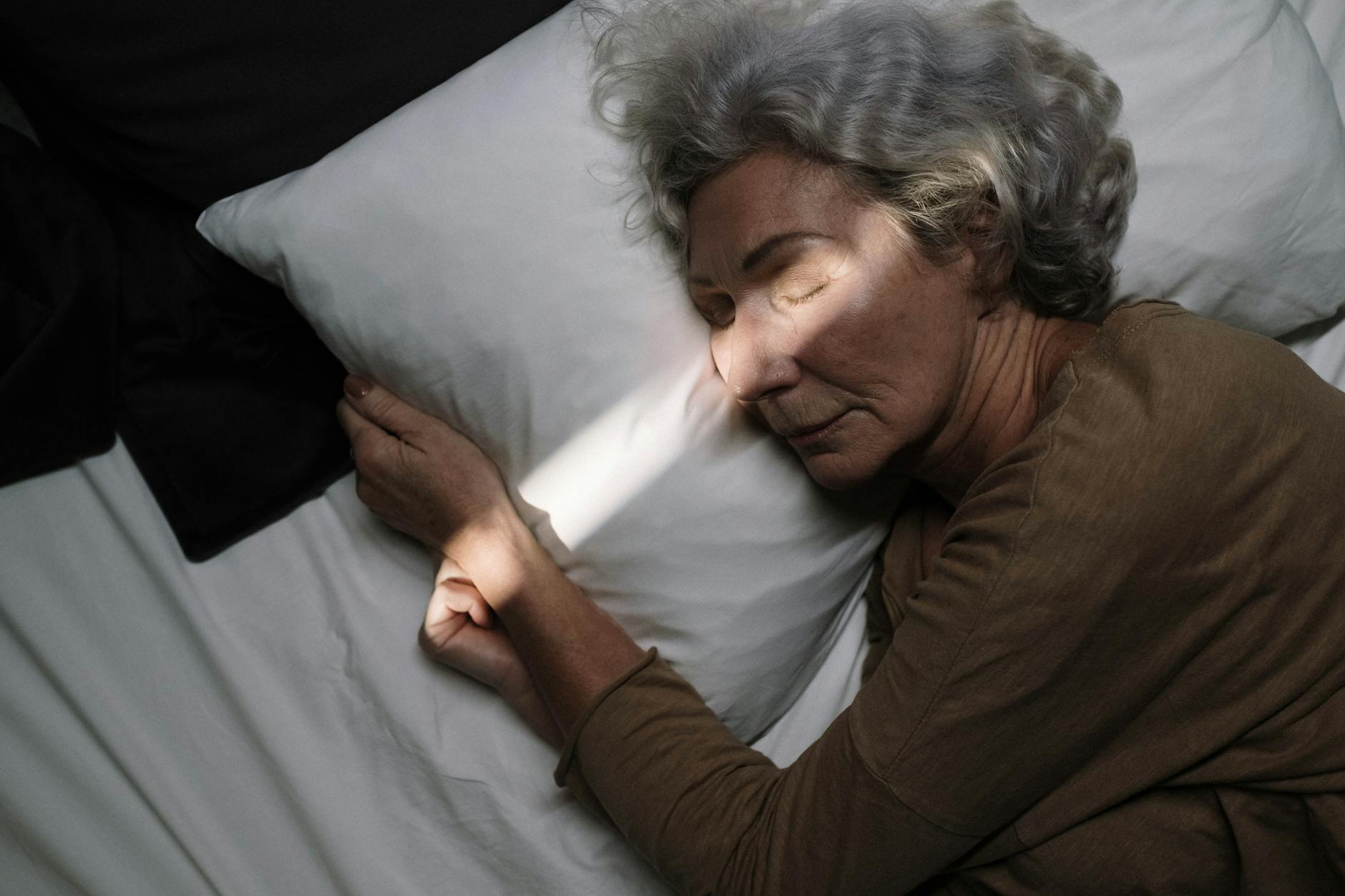
Older adults often require modified sleep positioning strategies due to arthritis, decreased mobility, and age-related health conditions. Side sleeping remains beneficial but may require additional pillow support for comfort.
Seniors with arthritis may need extra padding and support to maintain comfortable positioning throughout the night. Memory foam pillows and mattress toppers can help reduce pressure points that become more sensitive with age.
Age-related changes in circulation make position choice increasingly important for seniors. The best sleeping position to avoid stroke involves maintaining good circulation, typically achieved through side sleeping that doesn’t compress major blood vessels.
Seniors taking medications should consider how their prescriptions might affect sleep positioning needs. Blood pressure medications, for example, can increase sensitivity to position changes during the night.
Young Adult Sleep Positioning
Younger adults generally have more flexibility in sleep position choices due to better spinal health and fewer chronic conditions. However, establishing good sleep positioning habits early can prevent future problems.
Active young adults may benefit from position strategies that enhance recovery from exercise and physical activity. Side sleeping with proper support can improve circulation and aid muscle recovery.
Young adults should pay attention to how technology use affects their sleep positioning. Extended screen time can create neck tension that makes certain sleep positions uncomfortable or potentially harmful.
Worst Sleep Positions to Avoid {#worst}
Certain sleep positions consistently cause more problems than benefits and should be avoided when possible.
Stomach sleeping represents the worst sleeping position for most people due to multiple negative effects on spinal health. This position forces the neck into 90-degree rotation for hours, creating cervical spine stress that can lead to chronic pain.
The prone position also affects breathing mechanics by requiring you to turn your head to one side throughout the night. This asymmetrical positioning can create muscle imbalances and contribute to tension headaches.
For people with existing back problems, stomach sleeping often exacerbates symptoms by forcing the lumbar spine into extension. The position also increases pressure on internal organs and can affect circulation.
Key Takeaway: Avoid stomach sleeping when possible, as it creates multiple biomechanical problems that can affect spinal health, breathing, and overall sleep quality.
How to Transition to a Better Sleep Position {#transition}
Changing your sleep position requires patience and gradual adjustment, as your body has developed muscle memory around your current positioning habits.
Start by using pillows strategically to encourage better positioning. Side sleepers can place a body pillow along their back to prevent rolling, while back sleepers can use pillows beside them to encourage side sleeping.
Gradual transition works better than sudden changes. Begin by spending time in your desired sleep position while awake, such as during reading or relaxation. This helps your body adjust to the new positioning gradually.
Consider your mattress and pillow setup when changing positions. Different sleep positions require different support levels, and you may need to adjust your bedding to accommodate your new preferred position.
Be patient with the transition process, as it typically takes 2-4 weeks to establish new sleep position habits. Your body may initially resist the change, but consistency will help establish new patterns.
Frequently Asked Questions {#faq}
What is the healthiest sleep position overall?
Side sleeping, particularly on the left side, offers the most health benefits for most adults. This position supports spinal alignment, improves circulation, reduces acid reflux, and promotes optimal heart function.
Is sleeping on your left side bad for your heart?
No, sleeping on your left side is actually beneficial for heart health. This position reduces pressure on the heart and improves circulation. Concerns about left-side sleeping harming the heart are not supported by current medical research.
What’s the best position to sleep left or right?
Left-side sleeping generally provides more health benefits than right-side sleeping. Left-side positioning improves lymphatic drainage, reduces acid reflux, and supports optimal heart function, while right-side sleeping offers good spinal alignment but fewer specialized benefits.
Should men and women sleep in different positions?
While basic principles apply to everyone, women may benefit more from side sleeping during hormonal changes, pregnancy, and menstruation. Men with broader shoulders might find back sleeping more comfortable, but individual factors matter more than gender.
How long does it take to adjust to a new sleep position?
Most people need 2-4 weeks of consistent practice to establish a new sleep position habit. Using pillows for support and making gradual changes typically leads to more successful transitions than sudden position changes.
Can sleep position help with snoring?
Yes, side sleeping significantly reduces snoring compared to back sleeping. The side position keeps airways open and prevents the tongue and soft tissues from collapsing backward, which commonly causes snoring in back sleepers.
What sleep position is best during pregnancy?
Left-side sleeping is recommended during pregnancy, especially in the second and third trimesters. This position improves blood flow to the placenta and reduces pressure on major blood vessels, supporting both maternal and fetal health.
Does sleep position affect wrinkles?
Yes, sleep position can influence facial wrinkles over time. Sleeping on your side or stomach presses your face into the pillow, potentially creating sleep lines that can become permanent with age. Back sleeping minimizes facial contact with bedding.
Related reading: Best Sleeping Positions for Upper Back.
Related reading: Sleep Quality vs Quantity: Which Is.