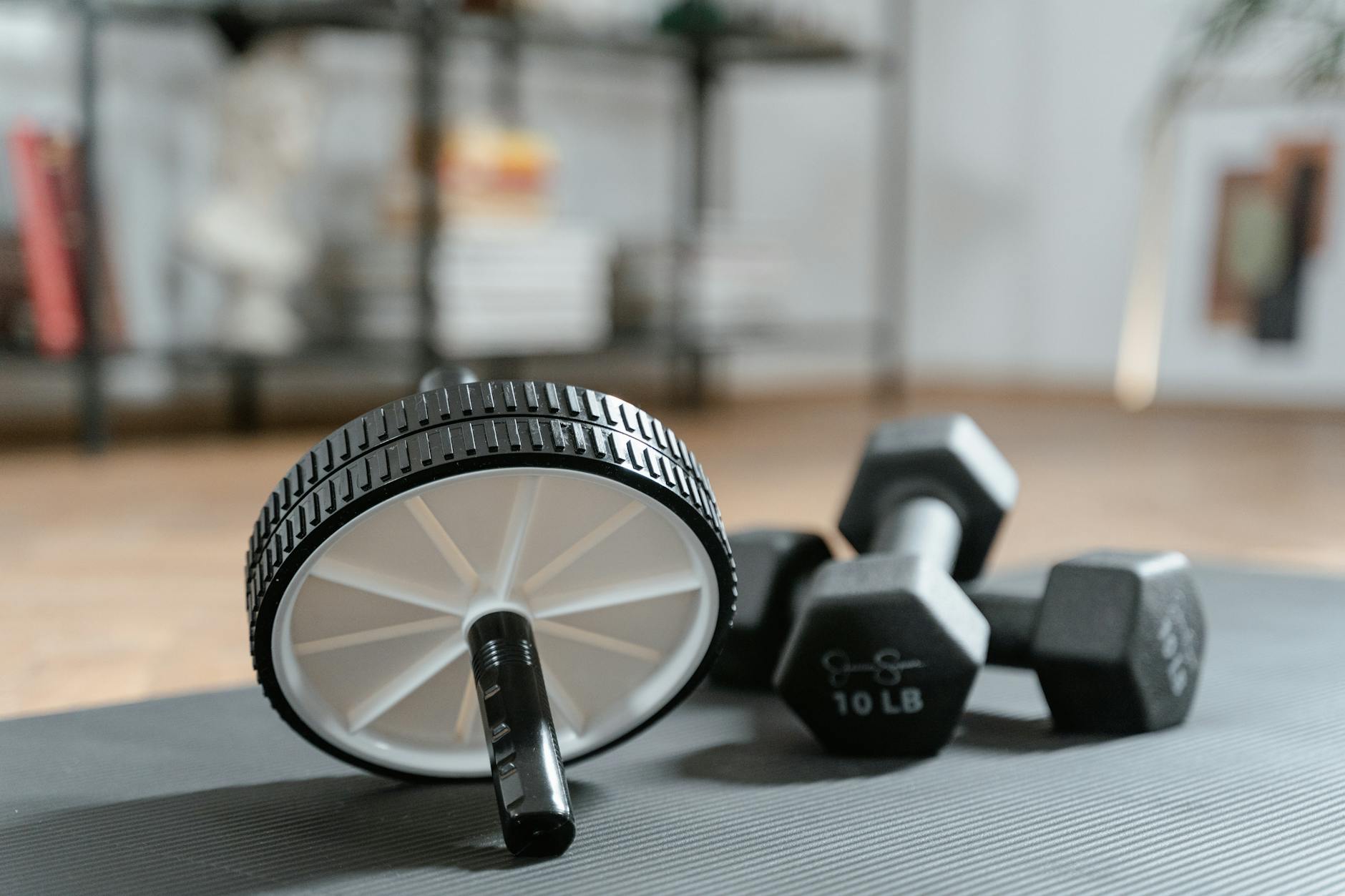
Building a home workout routine that lasts isn’t about finding the perfect exercise or the most expensive equipment. In 2026, with advances in fitness technology and a better understanding of habit formation, creating a sustainable workout routine at home has become more achievable than ever. This comprehensive guide will help you establish a fitness practice that fits your lifestyle and delivers real results.
Why Home Workouts Have Become Essential in 2026
The fitness landscape has transformed dramatically over the past few years. According to 2026 fitness industry reports, over 65% of people now incorporate home workouts into their fitness regimen at least twice per week. The convenience, cost-effectiveness, and flexibility of exercising at home have made it the preferred choice for busy professionals, parents, and anyone seeking work-life balance.
Home workouts eliminate commute time, provide privacy, and allow you to train on your schedule. Whether you’re squeezing in a 15-minute session before work or doing a full hour on weekends, home fitness adapts to your life rather than forcing your life to adapt to gym schedules.
Understanding Sustainability in Fitness
What Makes a Routine Sustainable?
Sustainability in fitness means creating a workout routine you can maintain for months and years, not just weeks. The difference between a sustainable routine and a temporary fitness phase comes down to three key factors:
Alignment with your lifestyle: Your routine must fit naturally into your daily schedule without requiring constant willpower.
Enjoyment factor: You need to genuinely enjoy some aspect of your workouts, whether it’s the exercise itself, the results, or the sense of accomplishment.
Progressive structure: Your routine should evolve with you, preventing boredom and plateaus while remaining manageable.
Common Mistakes That Derail Home Workouts
Many people fail to maintain home workout routines because they:
– Start with overly ambitious goals
– Choose exercises they don’t enjoy
– Lack proper accountability systems
– Ignore recovery and nutrition
– Don’t track progress effectively
Understanding these pitfalls helps you avoid them from the start.
Step 1: Assess Your Current Fitness Level and Goals
Before beginning any routine, honestly evaluate where you’re starting from. In 2026, many fitness apps use AI to assess your baseline fitness level through simple movement tests. You can perform basic assessments at home:
- How many push-ups can you do with proper form?
- How long can you hold a plank?
- What’s your resting heart rate?
- How flexible are you?
Once you understand your baseline, define specific, measurable goals. Instead of “get fit,” aim for “complete 20 consecutive push-ups” or “exercise 4 days per week for 3 months.” Specific goals create accountability and make progress tangible.
Step 2: Choose Your Workout Format
In 2026, multiple effective home workout formats exist. Choose the one that aligns with your preferences:
Strength Training
Building muscle through resistance exercises improves metabolism, bone density, and functional fitness. You can use bodyweight, dumbbells, resistance bands, or adjustable kettlebells. Strength training 3-4 times weekly provides excellent results.
Cardio and HIIT
High-Intensity Interval Training (HIIT) requires minimal space and time while delivering maximum cardiovascular benefits. A 20-minute HIIT session can be as effective as 45 minutes of steady-state cardio.
Yoga and Flexibility Work
Yoga improves flexibility, balance, and mental health. Many people find it sustainable because it’s low-impact and meditation-focused, making it easier to maintain long-term.
Hybrid Routines
Combining strength, cardio, and flexibility work creates well-rounded fitness. A typical week might include 2 strength days, 2 HIIT days, and 2 yoga or stretching sessions.
Step 3: Create Your Home Workout Space
You don’t need a fancy home gym. In 2026, minimal equipment delivers maximum results:
Essential equipment:
– Yoga mat or exercise mat
– Adjustable dumbbells or resistance bands
– Pull-up bar (optional but valuable)
Nice-to-have items:
– Mirror for form checking
– Foam roller for recovery
– Adjustable bench
– Kettlebell
Your space should be clean, well-lit, and free from distractions. Even a corner of your bedroom works perfectly. The key is having a dedicated area that signals to your brain it’s time to exercise.
Step 4: Design Your Weekly Schedule
Consistency beats intensity. A moderate routine you follow consistently outperforms an intense routine you quit after two weeks. Design a schedule you can realistically maintain:
Beginner routine (3 days per week):
– Monday: Full-body strength (30 minutes)
– Wednesday: HIIT or cardio (20 minutes)
– Friday: Yoga or stretching (25 minutes)
Intermediate routine (4-5 days per week):
– Monday: Upper body strength
– Tuesday: HIIT cardio
– Wednesday: Rest or yoga
– Thursday: Lower body strength
– Friday: Cardio or HIIT
– Weekend: Active recovery or optional session
Schedule workouts like important appointments. Consistency builds momentum and makes exercise a non-negotiable habit.
Step 5: Implement Progress Tracking
In 2026, technology makes progress tracking effortless. Use fitness apps, smartwatches, or simple spreadsheets to monitor:
- Workouts completed
- Exercises performed and reps achieved
- Heart rate and calories burned
- How you felt during and after workouts
- Energy levels throughout the day
Tracking creates accountability and motivation. Seeing progress accumulate over weeks and months reinforces your commitment.
Step 6: Build Accountability and Community
Even home workouts benefit from accountability. Consider:
- Joining online fitness communities
- Finding a workout partner for virtual sessions
- Sharing progress with friends
- Hiring a virtual personal trainer
- Using apps with community features
In 2026, virtual accountability has become as effective as in-person support for maintaining motivation.
Step 7: Prioritize Recovery and Nutrition
Sustainable routines include recovery. Your muscles grow during rest, not during workouts. Ensure you:
- Sleep 7-9 hours nightly
- Eat adequate protein (0.7-1g per pound of body weight)
- Stay hydrated
- Include rest days in your schedule
- Practice stretching and foam rolling
Nutrition and recovery are non-negotiable components of any sustainable fitness routine.
Overcoming Common Challenges
Lack of Motivation
Motivation fluctuates. Instead, build discipline by sticking to your schedule regardless of how you feel. After 2-3 weeks, exercise becomes habitual rather than motivational.
Limited Space
Home workouts require minimal space. Bodyweight exercises, yoga, and cardio can be done in a small bedroom or living room.
Equipment Limitations
Your body provides excellent resistance. Push-ups, squats, lunges, and planks deliver exceptional results without any equipment.
Conclusion
Building a sustainable home workout routine in 2026 comes down to choosing exercises you enjoy, creating a realistic schedule, and committing to consistency. Start small, track your progress, and adjust as needed. The best routine is the one you’ll actually follow. By implementing these strategies, you’ll create a fitness practice that becomes a permanent part of your lifestyle, delivering lasting health benefits and personal satisfaction.
Sources and Further Reading
Frequently Asked Questions
What is Build a Sustainable Home Workout Routine?
Build a Sustainable Home Workout Routine refers to a set of concepts and practices relevant to health. Understanding the fundamentals helps you apply these techniques effectively in real-world situations.
Who benefits most from Build a Sustainable Home Workout Routine?
Anyone working in or interested in health can benefit. Beginners gain foundational knowledge, while experienced practitioners find actionable guidance for common challenges.
What are the key steps to get started with Build a Sustainable Home Workout Routine?
Start by understanding the core principles, then apply them incrementally. Focus on measurable outcomes and iterate based on what you observe in practice.