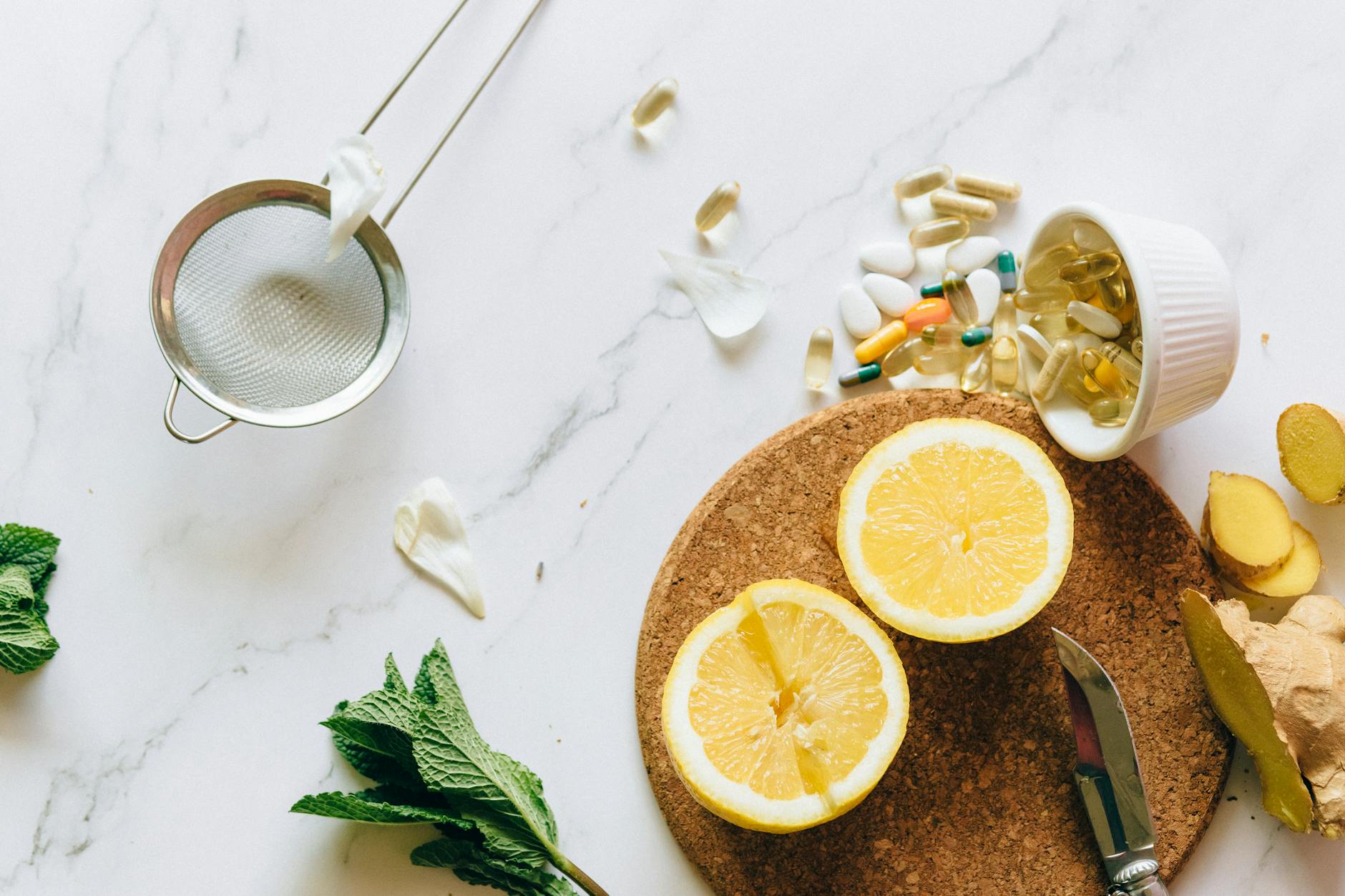
Your gut health is the foundation of your overall wellness. In 2026, we understand more than ever how critical a healthy microbiome is for immunity, mental health, digestion, and chronic disease prevention. Whether you’re dealing with digestive issues, food sensitivities, or simply want to optimize your health, this comprehensive guide will help you restore your gut health through proven foods and supplements.
Why Gut Health Matters More Than Ever in 2026
The human microbiome has become one of the most researched areas in medicine. In 2026, scientific evidence continues to demonstrate that your gut bacteria influence everything from your immune system to your mood and metabolism. A compromised gut can lead to leaky gut syndrome, inflammation, and numerous health complications.
Modern lifestyles—including processed food consumption, antibiotic use, and chronic stress—have damaged many people’s gut bacteria. The good news? You can restore it through strategic dietary choices and targeted supplementation.
The Best Foods for Gut Health Restoration
Fermented Foods
Fermented foods remain one of the most powerful natural sources of probiotics. In 2026, incorporating fermented foods into your daily diet is easier than ever with expanded availability:
- Sauerkraut and kimchi: These cabbage-based ferments contain beneficial lactobacillus strains that support digestive health
- Kombucha: This fermented tea beverage has gained mainstream acceptance and provides probiotics along with antioxidants
- Miso and tempeh: Traditional fermented soy products offer both probiotics and complete proteins
- Yogurt and kefir: Dairy or non-dairy versions provide multiple probiotic strains
Aim to consume at least one serving of fermented foods daily for optimal results.
High-Fiber Foods
Fiber acts as a prebiotic, feeding beneficial bacteria in your gut. In 2026, nutrition experts emphasize the importance of diverse fiber sources:
- Whole grains: Oats, barley, and quinoa provide soluble fiber
- Legumes: Beans, lentils, and chickpeas are fiber powerhouses
- Vegetables: Artichokes, asparagus, and onions contain inulin, a potent prebiotic
- Fruits: Berries, apples, and bananas support microbial diversity
Gradually increase fiber intake to avoid digestive discomfort, and ensure adequate hydration.
Polyphenol-Rich Foods
Polyphenols are plant compounds that feed beneficial bacteria. Key sources include:
- Berries: Blueberries, raspberries, and blackberries are rich in anthocyanins
- Green tea: Contains powerful antioxidants that support gut health
- Dark chocolate: High-quality dark chocolate with 70% cacao or higher provides beneficial compounds
- Olive oil: Extra virgin olive oil contains polyphenols that promote healthy bacteria
- Red wine: Moderate consumption provides resveratrol and other beneficial compounds
Bone Broth and Collagen
Bone broth has gained recognition in 2026 as a gut-healing food due to its gelatin and amino acid content. These compounds help repair the intestinal lining and reduce inflammation. Aim for 8-16 ounces daily for maximum benefits.
Essential Supplements for Gut Restoration in 2026
Probiotic Supplements
While food sources are ideal, high-quality probiotic supplements can accelerate healing. In 2026, the supplement industry has advanced significantly:
- Look for multi-strain formulas with at least 10-50 billion CFU
- Choose shelf-stable or refrigerated options based on your needs
- Popular strains include Lactobacillus and Bifidobacterium species
- Take probiotics with food for better survival rates
Prebiotic Fiber Supplements
When whole food sources aren’t enough, prebiotic supplements can help:
- Inulin powder: Derived from chicory root, supports beneficial bacteria
- Partially hydrolyzed guar gum: Gentle on digestion while feeding good bacteria
- Psyllium husk: Soluble fiber that promotes regularity and microbial health
Digestive Enzymes
Digestive enzyme supplements can support nutrient absorption and reduce digestive stress:
- Protease: Breaks down proteins
- Amylase: Breaks down carbohydrates
- Lipase: Breaks down fats
Take these with meals for optimal effectiveness.
L-Glutamine
This amino acid is crucial for intestinal lining repair. L-glutamine supplementation is particularly beneficial for those with leaky gut syndrome. A typical dose ranges from 5-15 grams daily.
Bone Broth Collagen
Collagen peptides provide amino acids that strengthen the intestinal barrier. Mix into beverages or food for convenience.
Creating Your Gut Restoration Plan for 2026
Week 1-2: Foundation Building
Start with eliminating inflammatory foods: processed items, excess sugar, and potential allergens like gluten or dairy. Introduce one fermented food daily and begin taking a quality probiotic.
Week 3-4: Nutrient Density
Focus on adding colorful vegetables, fruits, and whole grains. Begin incorporating bone broth or collagen peptides. Consider adding digestive enzymes if experiencing bloating or discomfort.
Month 2-3: Optimization
Expand your fermented food variety. Add prebiotic supplements if needed. Assess how you’re feeling and adjust based on individual response.
Important Considerations
Individual Variation
Everyone’s gut is unique. What works for one person may not work for another. Track your symptoms and energy levels to identify which foods and supplements benefit you most.
Timing Matters
In 2026, research shows that when you consume probiotics and prebiotics matters. Take probiotics with meals and space them away from antibiotics if possible. Consume prebiotic foods throughout the day for consistent bacterial feeding.
Quality Matters
Invest in high-quality supplements from reputable brands. Look for third-party testing certifications and transparent labeling.
Conclusion
Gut health restoration doesn’t happen overnight, but with consistent effort using the right foods and supplements in 2026, you can dramatically improve your digestive health and overall wellness. Start with dietary changes, add targeted supplements, and be patient with the process. Your microbiome will thank you with improved digestion, better immunity, enhanced mental clarity, and increased energy levels.
Remember to consult with a healthcare provider before starting new supplements, especially if you’re taking medications or have existing health conditions. Your journey to optimal gut health starts today.
Sources and Further Reading
Frequently Asked Questions
What is Foods and Supplements That Work in 2026?
Foods and Supplements That Work in 2026 refers to a set of concepts and practices relevant to health. Understanding the fundamentals helps you apply these techniques effectively in real-world situations.
Who benefits most from Foods and Supplements That Work in 2026?
Anyone working in or interested in health can benefit. Beginners gain foundational knowledge, while experienced practitioners find actionable guidance for common challenges.
What are the key steps to get started with Foods and Supplements That Work in 2026?
Start by understanding the core principles, then apply them incrementally. Focus on measurable outcomes and iterate based on what you observe in practice.