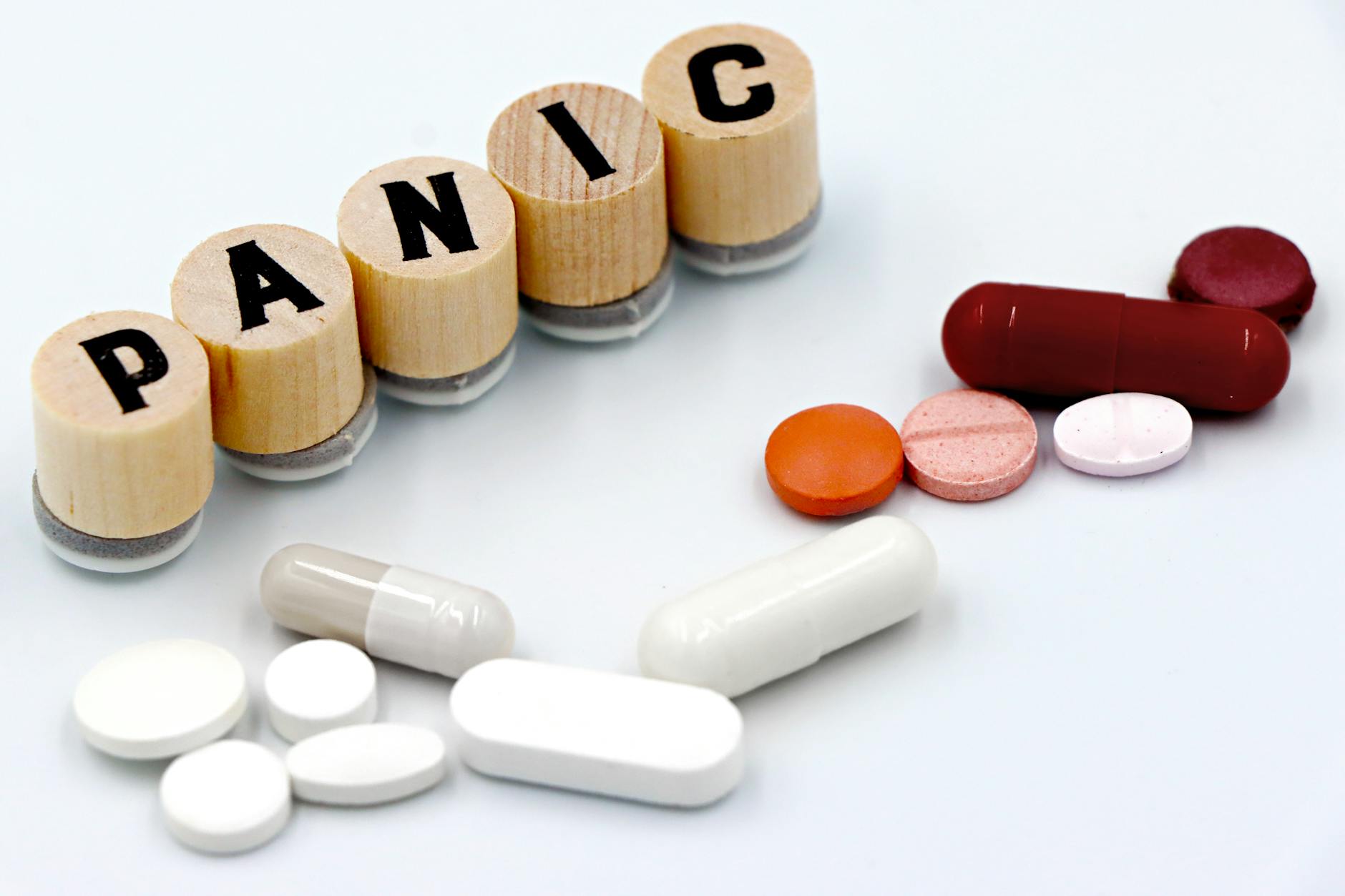
Panic attack symptoms are intense physical and emotional reactions that occur suddenly and reach peak intensity within minutes. These episodes involve overwhelming fear accompanied by physical symptoms like rapid heartbeat, shortness of breath, and trembling, typically lasting 5-20 minutes.
Understanding Panic Attack Symptoms
Panic attack symptoms manifest as a combination of intense physical sensations and overwhelming psychological distress that peaks within minutes. These episodes represent your body’s fight-or-flight response activating inappropriately, creating a cascade of symptoms that can feel life-threatening despite being medically harmless.
The symptoms typically develop rapidly and can occur without warning or apparent trigger. During an episode, you might experience multiple symptoms simultaneously, creating a reinforcing cycle where physical sensations increase psychological distress, which then intensifies physical symptoms.
Recognizing these symptoms early can help you implement coping strategies and seek appropriate support. The National Institute of Mental Health provides detailed information about panic disorder and its diagnostic criteria.
Physical Symptoms of Panic Attacks
The physical symptoms of panic attacks are often the most noticeable and distressing aspects of these episodes. Your body responds as if facing immediate danger, triggering multiple physiological changes simultaneously.
Cardiovascular Symptoms
Your heart may race, pound, or feel like it’s skipping beats. Heart palpitations during panic attacks can feel so intense that many people initially worry they’re having a heart attack. You might also experience chest pain or tightness that adds to this concern.
Respiratory Symptoms
Shortness of breath or feeling like you can’t get enough air is extremely common. You might find yourself breathing rapidly (hyperventilation) or feeling like you’re suffocating. Some people describe feeling like they’re drowning or being smothered.
Neurological and Sensory Symptoms
Dizziness, lightheadedness, or feeling faint frequently occur during panic attacks. You might experience tingling or numbness in your hands, feet, or face. Some people report feeling detached from reality (derealization) or from themselves (depersonalization).
Other Physical Manifestations
Sweating, trembling, or shaking are typical responses. Hot flashes or chills can alternate rapidly. Nausea, stomach upset, or the urgent need to use the bathroom may also occur. Muscle tension, particularly in the neck and shoulders, often accompanies these episodes.
Key Takeaway: Physical panic attack symptoms result from your nervous system’s activation and typically resolve within 20 minutes, though they can feel overwhelming in the moment.
Emotional and Cognitive Symptoms
Panic attacks involve intense emotional and mental symptoms that can be as distressing as the physical sensations. The psychological component often includes overwhelming fear and catastrophic thinking patterns.
The primary emotional symptom is intense fear or terror that seems to come from nowhere. This fear often focuses on losing control, going crazy, or dying. You might feel like you’re trapped or unable to escape your current situation.
Cognitive symptoms include racing thoughts, difficulty concentrating, and catastrophic interpretations of physical sensations. Many people report feeling confused or having trouble thinking clearly during an episode.
Panic Attack Symptoms Crying
Crying during or after panic attacks is completely normal and represents an emotional release. The overwhelming nature of the experience, combined with feelings of helplessness and fear, naturally leads to tears for many people. This emotional response doesn’t indicate weakness but rather reflects the intensity of the experience.
Panic Attack vs Anxiety Attack Differences
While panic attacks and anxiety attacks share some similarities, panic attacks are more intense, have a faster onset, and include specific diagnostic criteria. Understanding these differences helps ensure appropriate treatment approaches.
| Aspect | Panic Attack | Anxiety Attack |
|---|---|---|
| Onset | Sudden, peaks within minutes | Gradual buildup |
| Duration | Typically 5-20 minutes | Can last hours or days |
| Intensity | Severe, overwhelming | Moderate to severe |
| Physical Symptoms | Intense, multiple systems | Primarily tension, fatigue |
| Triggers | Often no clear trigger | Usually identifiable stressor |
| Diagnostic Status | Recognized in DSM-5 | Not a clinical diagnosis |
Panic attacks often occur without warning and involve intense physical symptoms like heart palpitations and shortness of breath. Anxiety attacks typically build gradually in response to stressful situations and involve more generalized worry and tension.
Panic Attack Symptoms in Specific Populations
Woman Panic Attack Symptoms
Women may experience panic attack symptoms differently due to hormonal influences and cultural factors. Research indicates that women are twice as likely as men to experience panic attacks and may have different symptom presentations.
Women more commonly report symptoms like nausea, dizziness, and breathing difficulties. Hormonal fluctuations during menstruation, pregnancy, postpartum period, and menopause can influence panic attack frequency and intensity. The Centers for Disease Control and Prevention tracks mental health statistics including gender differences in anxiety disorders.
Panic Attack Symptoms at Night
Nocturnal panic attacks can be particularly frightening because they wake you from sleep with intense symptoms. These episodes often begin during the transition between sleep stages and can feel more severe due to disorientation upon waking.
Nighttime panic attacks may include the same symptoms as daytime episodes but can feel more intense due to the darkness and quiet environment amplifying sensations. Sleep disruption from these episodes can create a cycle where fear of nighttime panic attacks leads to sleep anxiety.
Symptoms in Children and Teenagers
Young people may express panic attack symptoms differently than adults, often through behavioral changes rather than verbal descriptions. Children might not understand what’s happening to them, making recognition challenging.
Adolescents may experience panic attacks related to academic pressure, social situations, or identity development. Symptoms might manifest as school refusal, social withdrawal, or physical complaints without clear medical causes.
Elderly Population Considerations
Older adults may experience panic attacks that are overlooked or misattributed to medical conditions. Age-related changes in medication metabolism can influence symptom presentation and treatment approaches.
Pregnancy and Postpartum Symptoms
Hormonal changes during pregnancy and postpartum can trigger or worsen panic attacks. Concerns about the baby’s health or parenting responsibilities may intensify symptoms. Healthcare providers need to carefully balance treatment options during these periods.
Key Takeaway: Panic attack symptoms can vary significantly across different populations, requiring tailored recognition and treatment approaches.
Panic Attack Causes and Triggers
Panic attack causes involve a complex interaction of biological, psychological, and environmental factors. While the exact mechanisms aren’t fully understood, research has identified several contributing elements.
Genetic predisposition plays a significant role, with family history increasing your risk. Brain chemistry imbalances, particularly involving neurotransmitters like serotonin and GABA, contribute to panic attack development.
Common triggers include major life stressors, significant life transitions, caffeine consumption, certain medications, and medical conditions affecting heart rate or breathing. However, many panic attacks occur without identifiable triggers.
Panic Attack Symptoms Reddit Discussions
Online communities provide valuable peer support and shared experiences. Many people find comfort in reading others’ descriptions of panic attack symptoms, realizing they’re not alone in their experiences. However, professional medical advice should always supplement peer support.
Panic Attack Treatment Options
Effective panic attack treatment typically combines therapeutic interventions, lifestyle modifications, and sometimes medication. Treatment approaches should be individualized based on symptom severity, frequency, and personal preferences.
Cognitive-behavioral therapy (CBT) has strong research support for treating panic attacks. This approach helps you identify and change thought patterns that contribute to panic symptoms. Exposure therapy can gradually reduce avoidance behaviors that often develop after panic attacks.
Medication options include selective serotonin reuptake inhibitors (SSRIs) for long-term management and benzodiazepines for short-term relief during acute episodes. The Mayo Clinic provides comprehensive treatment information for panic attacks and panic disorder.
Lifestyle modifications can significantly impact panic attack frequency and intensity. Regular exercise, stress management techniques, adequate sleep, and limiting caffeine can all help reduce symptoms.
Immediate Coping Strategies
During a panic attack, grounding techniques can help manage symptoms. Try the 5-4-3-2-1 technique: identify 5 things you can see, 4 things you can touch, 3 things you can hear, 2 things you can smell, and 1 thing you can taste.
Controlled breathing exercises can counteract hyperventilation. Practice breathing slowly through your nose for 4 counts, holding for 4 counts, then exhaling through your mouth for 6 counts.
When to Seek Professional Help
You should seek professional help if panic attacks interfere with your daily functioning, occur frequently, or create persistent worry about future episodes. Early intervention can prevent the development of panic disorder and associated complications.
Consult a healthcare provider if you experience panic attack symptoms regularly, avoid certain situations due to fear of panic attacks, or develop depression or other mental health concerns related to panic episodes.
Emergency medical attention is warranted if you experience chest pain, shortness of breath, or other symptoms that could indicate a medical emergency, especially during your first panic attack when the cause is unknown.
Frequently Asked Questions
What are the most common panic attack symptoms?
The most common panic attack symptoms include rapid heartbeat, sweating, trembling, shortness of breath, chest pain, nausea, dizziness, and intense fear of losing control or dying.
How long do panic attack symptoms last?
Panic attack symptoms typically peak within 5-10 minutes and usually resolve within 20 minutes, though some people may feel exhausted or anxious for hours afterward.
Can panic attack symptoms be confused with heart problems?
Yes, panic attack symptoms like chest pain and rapid heartbeat can mimic heart attack symptoms. If you’re experiencing these symptoms for the first time or they’re severe, seek immediate medical evaluation to rule out cardiac issues.
Are panic attack symptoms dangerous?
While panic attack symptoms feel extremely frightening and intense, they are not physically dangerous or life-threatening. However, the distress they cause and their impact on daily functioning warrant proper treatment.
Do panic attack symptoms differ between men and women?
Women may experience more digestive symptoms, dizziness, and breathing difficulties, while men might report more cardiovascular symptoms. Hormonal factors can influence symptom presentation in women.
Can children experience panic attack symptoms?
Yes, children can experience panic attacks, though they may express symptoms differently through behavioral changes, physical complaints, or difficulty articulating their feelings.
What triggers panic attack symptoms?
Triggers vary widely and can include stress, caffeine, certain medications, medical conditions, specific situations, or sometimes no identifiable trigger at all.
How are panic attack symptoms treated?
Treatment typically involves therapy (especially cognitive-behavioral therapy), lifestyle modifications, and sometimes medication. Treatment plans should be individualized based on symptom severity and personal circumstances.
Related reading: Can Sleep Apnea Kill You? Understanding.
Related reading: Sleep Quality vs Quantity: Which Is.