Your gut health is the foundation of your overall wellness, and in 2026, we have more advanced tools and knowledge than ever before to optimize it. From cutting-edge microbiome testing to scientifically-backed probiotic supplements, understanding your digestive system has never been more accessible. This comprehensive guide will walk you through everything you need to know about maintaining a healthy gut microbiome.
Understanding Your Gut Microbiome in 2026
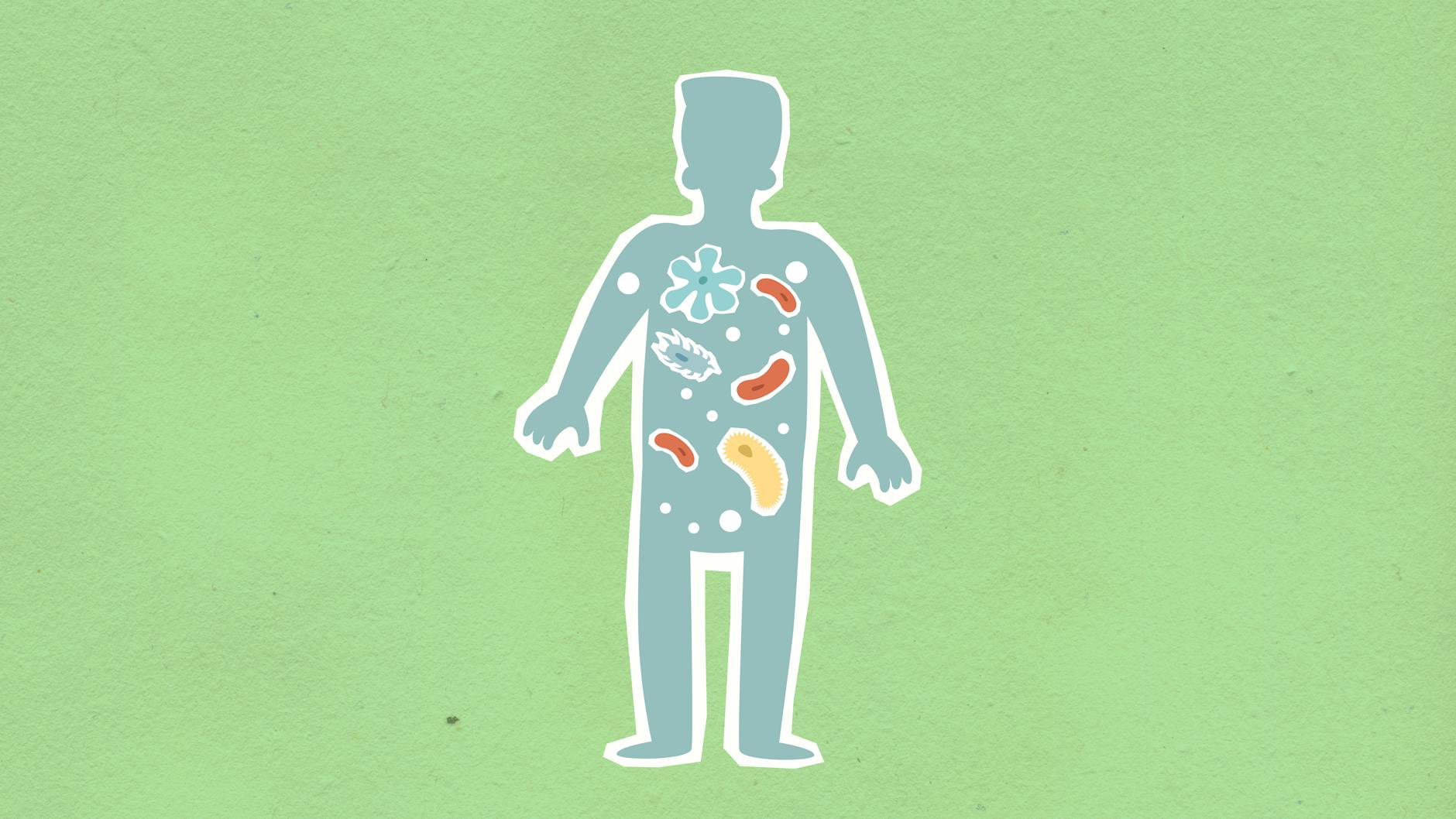
Your gut microbiome is a complex ecosystem of trillions of microorganisms living in your digestive tract. These bacteria, fungi, and other microbes play a crucial role in digestion, immune function, mental health, and disease prevention. Recent research from 2026 has shown that the health of your microbiome directly impacts everything from your metabolism to your mood.
The microbiome consists of over 1,000 different bacterial species, each with unique functions. When this ecosystem is balanced, you experience optimal digestion, stronger immunity, and better overall health. However, factors like stress, poor diet, antibiotics, and lack of sleep can disrupt this delicate balance, leading to dysbiosis—a condition where harmful bacteria outnumber beneficial ones.
What Are Probiotics and How Do They Work?
The Science Behind Probiotics
Probiotics are live beneficial bacteria that support your gut health when consumed in adequate amounts. Unlike prebiotics, which are food for existing bacteria, probiotics actively introduce new beneficial microorganisms into your digestive system. In 2026, the probiotic market has evolved significantly with more targeted, strain-specific formulations.
The most researched and effective probiotic strains include Lactobacillus and Bifidobacterium species. These bacteria help restore balance to your microbiome by crowding out pathogenic organisms and producing short-chain fatty acids that nourish your gut lining.
Choosing the Right Probiotic Supplement
Not all probiotics are created equal. When selecting a probiotic in 2026, look for these key factors:
Strain Specificity: Choose supplements that list specific bacterial strains rather than generic descriptions. For example, “Lactobacillus acidophilus LA-5” is more reliable than just “Lactobacillus acidophilus.”
CFU Count: Colony-forming units (CFUs) indicate the number of viable bacteria. Most effective supplements contain 10-50 billion CFUs per serving.
Third-Party Testing: Reputable brands in 2026 provide third-party verification to confirm potency and purity.
Delivery System: Enteric-coated capsules protect bacteria from stomach acid, ensuring they reach your colon alive.
Best Food Sources of Probiotics
While supplements are helpful, fermented foods provide natural probiotics:
- Yogurt with live cultures
- Kefir
- Sauerkraut
- Kimchi
- Miso
- Tempeh
- Kombucha
- Unpasteurized pickles
Incorporating these foods into your daily diet is an excellent way to maintain probiotic diversity without relying solely on supplements.
Prebiotics: Feeding Your Beneficial Bacteria
Understanding Prebiotic Fiber
Prebiotics are non-digestible food components that selectively stimulate the growth and activity of beneficial bacteria already present in your gut. Think of them as fertilizer for your microbiome. Unlike probiotics, prebiotics aren’t living organisms—they’re specific types of fiber that your body can’t digest but your gut bacteria can.
The most common prebiotics include inulin, fructooligosaccharides (FOS), and resistant starch. These compounds pass through your small intestine undigested and become food for beneficial bacteria in your colon.
Best Prebiotic Foods
Incorporate these prebiotic-rich foods into your 2026 diet:
- Garlic
- Onions
- Leeks
- Asparagus
- Bananas (especially slightly unripe)
- Whole grains
- Legumes and beans
- Chicory root
- Dandelion greens
- Jerusalem artichokes
The synbiotic approach—combining probiotics and prebiotics—has shown the most promising results for gut health optimization in recent 2026 studies.
Advanced Microbiome Testing in 2026
The Evolution of Microbiome Testing
Microbiome testing has undergone remarkable advancement in 2026. Modern tests go far beyond simple bacterial counts, providing detailed analysis of your microbial composition, diversity, and functional capacity. These tests help identify specific imbalances and guide personalized treatment plans.
Types of Microbiome Tests Available
Comprehensive Stool Analysis: These tests analyze bacterial diversity, identify pathogenic organisms, measure beneficial bacteria levels, and assess digestive markers. Many labs in 2026 now include metabolite analysis showing what your bacteria are actually producing.
DNA Sequencing Tests: Advanced sequencing technology provides unprecedented detail about your microbial ecosystem. Companies now offer at-home testing kits that use 16S rRNA gene sequencing for accurate bacterial identification.
Functional Microbiome Tests: These newer tests in 2026 measure what your microbiota is actually doing—producing short-chain fatty acids, synthesizing vitamins, and producing metabolites that affect your health.
Personalized Microbiome Reports: Leading testing companies now provide actionable recommendations based on your specific microbial profile, including targeted probiotic and prebiotic suggestions.
Interpreting Your Results
When you receive your microbiome test results in 2026, focus on these key metrics:
- Microbial Diversity: Higher diversity generally indicates better gut health
- Firmicutes to Bacteroidetes Ratio: This ratio affects metabolism and weight management
- Beneficial Bacteria Levels: Specific beneficial strains indicate digestive health
- Dysbiosis Index: Shows the degree of microbial imbalance
- Metabolic Markers: Indicates production of beneficial compounds like butyrate
Practical Steps to Optimize Your Gut Health in 2026
Dietary Strategies
Focus on whole, unprocessed foods rich in fiber. Aim for at least 30 different plant-based foods weekly to promote microbial diversity. Reduce processed foods, excessive sugar, and artificial additives that feed harmful bacteria.
Lifestyle Modifications
Stress management, regular exercise, adequate sleep, and staying hydrated all support a healthy microbiome. Studies from 2026 show that meditation and yoga can positively influence bacterial composition.
Supplement Strategically
Based on your microbiome test results, choose targeted probiotic strains and prebiotic supplements that address your specific imbalances. Work with a healthcare provider to develop a personalized protocol.
Limit Antibiotic Use
While sometimes necessary, antibiotics significantly disrupt your microbiome. If you must take antibiotics, consider a targeted probiotic protocol during and after treatment.
Conclusion
Optimizing your gut health in 2026 is easier than ever with advanced microbiome testing, targeted probiotics, and evidence-based prebiotic strategies. By understanding your unique microbial profile and taking personalized action, you can dramatically improve your digestion, immunity, energy levels, and overall health. Start with a microbiome test to understand your baseline, then implement dietary changes and targeted supplements to create the thriving ecosystem your body deserves.
Sources and Further Reading
Frequently Asked Questions
What is Probiotics, Prebiotics, and Microbiome T?
Probiotics, Prebiotics, and Microbiome T refers to a set of concepts and practices relevant to health. Understanding the fundamentals helps you apply these techniques effectively in real-world situations.
Who benefits most from Probiotics, Prebiotics, and Microbiome T?
Anyone working in or interested in health can benefit. Beginners gain foundational knowledge, while experienced practitioners find actionable guidance for common challenges.
What are the key steps to get started with Probiotics, Prebiotics, and Microbiome T?
Start by understanding the core principles, then apply them incrementally. Focus on measurable outcomes and iterate based on what you observe in practice.